Forum Replies Created
- AuthorPosts
- 15th November 2019 at 9:34 am in reply to: Bahima Century Dynasty is a Fiefdom of Dictator Yoweri Museveni #466
Victims of Yoweri Museveni’s reign of terror – (May they RIP)
1. Brig. Perino Okoya, commander of Second Infantry Brigade, 1970. Personally shot dead by GSU intelligence officer Yoweri Museveni.
2. Nicholas Stroh, American journalist, 1971. Murdered by Lt. Silver Tibahika on orders of Museveni, for investigating FRONASA’s murder of Acholi and Langi army officers.
3. Robert Siedle, Makerere University lecturer, 1971. Murdered by Lt. Silver Tibahika on orders of Museveni, for investigating FRONASA’s murder of Acholi and Langi army officers.
4. James Bwogi, director of Uganda Television, 1971. Murdered by FRONASA agents to tarnish image of President Idi Amin.
5. Michael Kabali Kaggwa, president of Uganda Industrial Court , 1971. Murdered by FRONASA agents and burnt in his car, to turn Baganda against Amin.
6. Father Clement Kiggundu, Roman Catholic priest and former editor of Muuno newspaper, 1971. Dragged from altar during Mass to turn Baganda and Catholics against Amin.
7. Raiti Omongin, first leader of FRONASA, 1972. Personally shot in the mouth by Museveni during a morning parade in Tabora, after Museveni’s claim to FRONASA leadership was challenged.
8. Ali Picho Owiny, former GSU intelligence officer and colleague of Museveni, 1972. Murdered during the attack on Mbarara by Museveni because of his habit of humiliating Museveni in the office. The murder was blamed on Amin’s soldiers.
9. Valerino Rwaheru, comrade in arms with Museveni, 1972. Killed by Museveni to eliminate challenge to his leadership of FRONASA.
10. William a.k.a “Black” Mwesigwa, comrade in arms with Museveni, 1972. Murdered during invastion of Mbarara, to be blamed on Amin’s troops.
11. Basil Kiiza Bataringaya, former minister of Internal Affairs, 1972. Murdered by FRONASA agents and thrown into Rwizi river in Mbarara.
12. Erifazi Laki, county chief of Rwampara, 1972. Killed by FRONASA agents on orders of Museveni, because as a former GSU intelligence officer Laki possibly knew of Museveni’s hand in murdering Brig. Okoya or was a threat to Museveni’s ambitions. The private detective who in 2001 undertook to investigate Laki’s murder was poisoned on orders of Museveni.
13. Patrick Ruhinda, lawyer, 1972. Murdered by FRONASA to turn Ankole against Amin.
14. Benedicto Kiwanuka, president general of DP and Chief Justice, 1972. Abducted from the High Court buildings and shot dead by FRONASA agents near Bombo Road , Wandegeya, to tarnish Amin’s image. The abduction car was driven by a Musoga FRONASA man, Capt. Kaganda.
 15. Frank Kalimuzo, vice chancellor of Makerere University , 1972. Murdered by FRONASA agents, to cause fear in Uganda ’s civil service and academic circles. The story of Kalimuzo’s death given by Kintu Musoke had many inconsistencies.
16. John Kakonge, secretary general of Uganda People’s Congress, 1972. Murdered to tarnish Amin’s image.
17. James Karuhanga, comrade in arms of Museveni, 1973. Shot dead by Museveni and blamed on Amin’s troops.
18. Hope Rwaheru, wife of Museveni and sister of Valeriano Rwaheru, 1973. Mother of Museveni’s son, Muhoozi Kainerugaba, reportedly strangled by Museveni in Dar es Salaam .
19. Lt. Col. Michael Ondoga, minister of Foreign Affairs, 1974. Kidnapped and murdered by FRONASA agents led by Kahinda Otafiire and body thrown into River Nile.
20. Martin Mwesiga, comrade in arms of Museveni, 1974. Shot dead by Museveni after he witnessed shooting of Omongin.
21. Edith Bataringaya, wife of Basil Bataringaya, 1975. Burnt alive by FRONASA agents in order to discredit Amin.
22. Theresa Nanziri Bukenya, warden of Africa girls’ Hall at Makerere University , 1976. Killed personally by Museveni, by slitting open her stomach when she was eight months pregnant, in order to create more hatred for Amin among Ugandans.
23. Jimmy Parma, photographer, Voice of Uganda, 1976. Murdered by FRONASA for taking photographs of body of Israeli hostage Dora Bloch after Entebbe raid.
24. Esther Chesire, Kenyan student at Makerere University , 1976. Kidnapped by State Research agents working for Museveni’s FRONASA at Entebbe International Airport , in order to stir up hostility between Uganda and Kenya following Israeli attack on Entebbe .
25. Sally Githere, Kenyan student at Makerere University , 1976. Kidnapped by State Research agents working for Museveni’s FRONASA at Entebbe International Airport , in order to stir up hostility between Uganda and Kenya following Israeli attack on Entebbe .
26. Lt. Col. Sarapio Kakuhikire, army officer, 1977. Abducted and killed by FRONASA agents outside main Kampala Post Office in order to discredit Amin.
27. Dr. Jack Barlow, dentist opponents at Mulago Hospital , 1979. Shot dead in Kampala. Barlow was one of several doctors and senior civil servants murdered on orders of Defence Minister Yoweri Museveni to create an atmosphere of lawlessness in Uganda and show that President Godfrey Binaisa had failed to govern Uganda . Killers said they had been sent for his life, not his money or property.
28. Dr. Stephen Obache, doctor at Mulago hospital, 1979. Shot dead in Kampala . He was one of several doctors and senior civil servants murdered on orders of Defence Minister Yoweri Museveni to create an atmosphere of lawlessness in Uganda and show that President Godfrey Binaisa had failed to govern Uganda .
29. Dr. Joseph Kamulegeya, doctor for Kampala City Council, 1979. Shot dead in Kampala . He was one of several doctors and senior civil servants murdered on orders of Defence Minister Yoweri Museveni to create an atmosphere of lawlessness in Uganda and show that President Godfrey Binaisa had failed to govern Uganda .
30. Dr. Mitchell Bagenda, doctor at Mulago Hospital , 1979. Shot dead in his home at his home in Kampala . He was one of several doctors and senior civil servants murdered on orders of Defence Minister Yoweri Museveni to create an atmosphere of lawlessness in Uganda and show that President Godfrey Binaisa had failed to govern Uganda .
31. Lt. Colonel John Ruhinda, UNLA officer, 1979. Shot dead on orders of Museveni, seen as a threat to Museveni’s ambitions. Museveni came to the home of George and Joyce Kihuguru at Makerere University a few minutes after Ruhinda’s shooting there, pretending to be a concerned mourner. Ruhinda had gone to the Kihuguru’s home to eat millet.
32. Boniface Kaija Katuramu, Kampala quantity surveyor, 1979. Shot dead at his Malcolm X Avenue home in Kampala as part of Museveni’s reign of terror to create image of unstable Uganda after Amin.
33. James Matovu, cousin of Kabaka Ronald Mwenda Mutebi of Buganda , 1979. Shot dead at his home in Kampala . The Buganda prince was one of several prominent Ugandans murdered on orders of Defence Minister Yoweri Museveni to create an atmosphere of lawlessness in Uganda and show that President Godfrey Binaisa had failed to govern Uganda .
34. Bob Naenda Odong, news reader, Uganda Television, 1980. Shot dead on orders of Museveni as part of efforts to create image of chaos in Kampala .
35. Edidian Luttamaguzi, peasant leader in Semuto, 1981. NRA legend has it that Luttamaguzi was hiding Museveni in his house and government troops came to surround the place and kill Museveni. Museveni hid up in a tree and as the UNLA troops killed Luttamaguzi, Museveni perched in the tree watched helplessly. That was on June 9, 1981 and that is why the NRM marks that day as Hero’s Day because Luttamaguzi saved Museveni’s life by refusing to tell the UNLA where Museveni was. It is the NRA which killed Luttamaguzi in order to stiffen the harted for Obote among the Luwero peasants. Museveni created this story of his narrow escape as one of the NRA legends. That day in 1981, Museveni was not in Uganda but in Nairobi signing a merger agreement between his Popular Resistance Army and Yusufu Lule’s Uganda Freedom Fighters.
36. Ahmed Seguya, first commander of the NRA, 1981. Poisoned on orders of Museveni.
37. Beatrice Kemigisha, Makerere University lecturer and NRM supporter, 1981. NRM officials used to visit Kemigisha at her flat at the university. Museveni passed on information to the UNLA that she was an NRA supporter and she was arrested. NRA men in the UNLA army raped and tortured her to death as part of Museveni’s plan to have Obote’s image tarnished.
38. Lt. Col. William Ndahendekire, army officer, 1982. Killed on orders of Museveni after Ndahendekire refused to join Museveni’s NRA war.
39. Lt. Mule Muwanga, original NRA officer, 1982. Murdered during guerrilla war. Reasons unknown.
40. George Bamuturaki, UPC Member of Parliament, 1983. Shot dead at Kisimenti in Kampala because during 1980 election campaigns Bamuturaki had argued that Museveni, a Rwandese, should not be president of Uganda .
41. Gideon Akankwasa, lawyer with Hunter & Grieg law firm, 1983. Shot dead outside the gate of his home on Kyadondo Road in Nakasero, Kampala, to blame it on Chief of Staff David Oyite Ojok and tarnish Obote’s image. After the 1980 election, one of Akankwasa’s partners in Hunter & Grieg, Jonathan Kateera, handled Museveni’s petition.
42. Lt. Sam Magara, second commander of the NRA, 1983. Betrayed to the UNLA by Museveni in order to eliminate threat in the bush. One of the people captured during the siege on Katenta Apuuli’s house said Magara was sent to Kampala by Museveni and only Museveni could have known where Magara was staying while in Kampala .
43. Thompson Sabiti, civil servant and son of late Anglican Archbishop Eric Sabiiti, 1983. Clubbed to death near the Lake Victoria Hotel and the Ministry of Planning in Entebbe by Museveni’s NRA men and Museveni blamed his death on the bodyguards of the vice president Paulo Muwanga. Museveni wanted the Protestant Bahima community to turn in large numbers from Obote and become more loyal to the NRA. Sabiti was a good target.
44. Prof. Yusufu Kironde Lule, former head of state and chairman of National Resistance Movement, 1985. Murdered by slow-acting poison in London because of his popularity and threat to Museveni’s ambitions.
45. Enock Kabundu, Entebbe civil servant and Museveni supporter, 1985. Kabundu was one of Museveni’s staunchest supporters and Museveni used this against him. During the time of the Nairobi peace talks in December 1985, Museveni ordered two sisters working as prostitutes and informers for the NRA, Margaret and Anne Katanywa, to help get rid of Kabundu. Margaret and Anne Katanywa convinced a UNLA officer they were dating, Lt. Col. Obonyo that Kabundu was an NRA rebel. Obonyo had Kabundu taken to the Lutembe beach off the Kampala-Entebbe road where he was killed, his buttocks cut off in order to show that the Tito Okello regime was not sincere about peace talks through this action of murdering a Museveni supporter. Two years before this, Museveni had used the same tactic in killing a prominent Muhima in Entebbe , Thompson Sabiti.
46. Lt. Sam Katabarwa, NRA commander, 1986. Sent to mediate peace with UPC government, was arrested, but was alive after Museveni took power in 1986 and killed on orders of Museveni. He was a popular officer seen as a threat to Museveni’s power.
47. Capt. Robert Kagata Namiti, UNLA army officer, 1986. Murdered by a slow-acting poison injection by the NRA medical services on Museveni’s orders because he knew details of who killed Sam Katabarwa.
48. Capt. Abbey Kalega Sserwada, former Uganda Freedom Movement commandeer, 1986. He was arrested and detained at Lubiri barracks, tortured, his ears were cut off and he was killed by senior NRA officers with Museveni’s approval.
49. Francis Gureme, NRA officer, son of retired civil servant and writer F.D.R. Gureme, 1986. Killed in northern Uganda allegedly by rebels during a mission. Real reason was a set up, on orders of Museveni, after Gureme began asking too many questions about NRA atrocities in the north.
50. Major Peter Musana, former head of School of Logistics and Engineering, Jinja, 1987. Reasons unclear. He was killed by a slow-acting poison a few months after being released from prison. He might have know Capt. Namiti and how he died.
51. Andrew Lutakome Kayiira, cabinet minister and former leader of the Uganda Freedom Movement, 1987. Shot dead in Konge, Makindye, Kampala by a hit squad comprising Major Paul Kagame, James Kazini, Lt. Col. Kasirye Gwanga, Lt. Col. Moses Nyanzi (a.k.a “Drago”) and ESO assassin Humphrey Babukika. In the 1980s bush wars, Kayiira’s UFM was always the better equipped force than Museveni’s NRA and Museveni felt Kayiira was his main rival for power. The Scotland Yard report on Kayira’s death is reported to have mentioned Major Paul Kagame or Brig. Jim Muhwezi as the architect of the assassination.
52. Lance Sera Muwanga, housed Museveni’s family in exile in Sweden and human rights activist, 1988. Killed by slow-acting poison for his vocal views on Museveni’s atrocities in northern Uganda and his elimination of his political. Muwanga and the BBC correspondent Henry Gombya in a joint 1986 work wrote that the “Black Bombers” hit squad of the NRA led by Patrick Lumumba, Paul Kagame, Matayo Kyaligonza, Pecos Kutesa, Hannington Mugabi, Jero Bwende, and others were the ones carrying out the massacres of civilians in the Luwero Triangle in order to blame them on the Obote regime.
53. Robert Ekinu, deputy secretary of the Treasury, 1988. He was shot on orders of Museveni on a peace mission with other Teso ministers like Stanislus Okurut, the killing blamed on the Teso rebels, so as to paint the Teso rebels in a bad light and justify Museveni’s aggressive military offensive there. Museveni pretended to be hurt by Ekinu’s death by giving Ekinu’s widow a job in Bank of Uganda and giving the bereaved family the government house they occupied in Entebbe .
54. Henry Mugisa, DP stalwart, member of National Resistance Council and Managing Director of Consolidated Properties, the government parastatal, 1989. Shot dead at his Kololo, Kampala home on orders of Museveni because he knew about Museveni’s hand in stealing government companies under the guise of privatisation. Museveni gave away his guilt by having Mugisa’s body flown to hi burial in Bunyoro and a high powered government delegation attending the funeral.
55. Major General Fred Rwigyema, first commander of Rwandan Patriotic Army and former minister of state for defence, 1990. Shot by Major Peter Baingana and Major Chris Bunyenyezi on orders of Museveni. Rwigyema had been telling his wife Jeanette that his life was in danger in Uganda , that’s why he decided to defect to Rwanda before Museveni could assassinate him.
56. Major Peter Baingana, Rwandan Patriotic Army commander, 1990. Shot dead at a farm inside Uganda by Major General Salim Saleh on orders of Museveni, to cover up Museveni’s assassination of Fred Rwigyema.
57. Major Chris Bunyenyezi, Rwandan Patriotic Army commander, 1990. Shot dead at a farm inside Uganda by Major General Salim Saleh on orders of Museveni, to cover up Museveni’s assassination of Fred Rwigyema.
58. Chris Mboijana, General Manager of Uganda Airlines, 1990. Poisoned in London after Museveni stole money intended by management to buy four new Airbus planes for Uganda Airlines. Museveni knew that the trail of the theft would lead to him and he had to get rid of Mboijana who was once one of his staunchest supporters.
59. Emmanuel Cardinal Nsubuga, Catholic Church’s influential leader in Uganda , 1991. Murdered by contagious radioactive poison put under his plate on orders of Museveni, because of his growing criticism of Museveni’s murder of high-profile Ugandans and because he knew of Museveni’s atrocities against Ugandans in Luwero.
60. Lt. Col. Julius Aine, NRA army officer, 1991. Murdered in fake car accident. Aine and Jack Muchunguzi were some of the NRA officers Museveni charged with killing Ahmed Seguya and this killing of Aine could have been to prevent him from spilling the secret.
61. Paulo Muwanga, former vice president and chairman of the Military Commission, 1991. Injected with slow-acting poison in Luzira prison because he knew details of Museveni’s orchestrated genocide in Luwero Triangle.
62. John Begumisa, Commercial manager of Uganda Airlines, 1992. Shit dead at his home in Entebbe , after Museveni stole the money intended to buy four new Airbus planes for Uganda Airlines. NRA killers dressed up as doctors were brought to Grade A Hospital in Entebbe to make sure the wounded Begumisa did not survive the gunshot wounds.
63. Edward Mugalu, Kampala businessman and Democratic Party supporter, 1992. Shot dead near Lugogo, Kampala , on orders of Museveni, as part of his plan to eliminate DP figures close to Andrew Kayiira. Mugalu was also a strong Buganda monarchist and influential businessman.
64. Prof. Dan Mudoola, Makerere University lecturer and vice chairman of the Constitutional Review Commission., 1993. He was killed in a grenade attack in Wandegeya in order to frustrate the progress of the constitution-making process.
65. Dr Francis Kidubuka, Makerere University lecturer, 1993. Killed by grenade while having a drink outside the Paris Hotel in Wandegeya with Mudoola.
66. Amon Bazira, former UPC deputy minister, 1993. Bazira was shot dead in Nakuru , Kenya by ESO assassin Humphrey Babukika, in a plot hatched by Museveni.
67. President Melchior Ndadaye, head of state of Burundi , 1993. Assassins of Ndadaye were given shelter in Uganda and after mission was accomplished, were housed at state expense in the Kampala Sheraton Hotel.
68. President Juvenal Habyarimana, head of state of Rwanda , 1994. Killed in missile attack on his plane, ordered by Museveni. Habyarimana had approached ISO director general Brig. Jim Muhwezi with money and surface-to-air missiles to shoot down Museveni’s plane. Museveni gave Muhwezi the money and decided to hit Habyarimana with his won medicine. The assassins were trained near Lake Nabugabo in Masaka and the missiles were driven into Rwanda by RFA officer James Kabareebe.
69. President Cyprien Ntaryamira, head of state of Burundi , 1994. Killed in Habyarimana’s plane.
70. Benjamin Matogo, Uganda ’s High Commissioner to Tanzania , 1994. Matogo had gained sensitive information that Museveni masterminded the genocide against the Tutsi of Rwanda even before Habyarimana was assassinated. Ugandan intelligence intercepted his communication in which they knew he knew of Museveni’s role in both the assassination of Habyarimana and Ntarymira and the Ugandan death squads Museveni got to dress up as Hutu extremists that would kill Tutsis at random as he had done in Luwero Triangle. Matogo was killed using a slow-acting poison.
71. Hussein Musa Njuki, journalist and editor of Assalaam and former editor of Shariat newsletters, 1995. Killed by agents of Military Intelligence using a poison that induces sudden heart attacks and he was taken to a Kampala police station to die. Njuki had become a strong critic of Museveni and his regime. Museveni used Njuki and Ahmed Seguya as FRONASA men to distribute disinformation in Uganda in the Amin era.
72. Lt. Col. Ladislaw Serwanga Lwanga, former NRA chief political commissar, 1996. Killed by slow-acting poison although he was also HIV-positive, because he was seen as a threat poised by vocal Baganda officers.
73. Lt. Michael Shalita, Intelligence officer with the Internal Security Organisation, 1997. Shot in Kamwokya on orders of Museveni. Shalita was investigating cases of massive corruption involving top government parastatals like the Uganda Revenue Authority and the Uganda Posts & Telecommunications Corporation in which the Museveni family had an interest.
74. Brig. Fred Kamwesiga, 1997? Invited to State House dinner with Museveni and contagious poison put in his plate, for opposing parliamentary candidature of Augustine Ruzindana and calling Ruzindana a Rwandese unfit to run for MP in Uganda .
75. Lt. Col. Reuben Ikondere, UPDF officer, 1998. Murdered in eastern Congo on orders of Museveni for questioning why the First Family was plundering the wealth of Congo yet they claimed to be there to secure Uganda ’s borders. His murder was covered up as a stabbing by the Mai Mai warriors.
76. Dr. Akiiki Mujaju, a lecturer in Political Science at Makerere University and dean of the Social Sciences faculty, 1998?. Mujaju was murdered in a faked car accident along the Kampala-Fort Portal road because he had got sensitive information on the NRM government’s record and was about to publish it.
77. Joanne Cotton, One of eight western tourists, killed in Bwindi national park, 1999. The murders were planned personally by Museveni in order to scare the West and justify Uganda ’s invasion of Congo on the excuse of pursuing the ADF rebels and Rwandan Interahamwe who were accused of committing the crime. At a press conference in Kampala after the killings, Museveni pretended to be very hurt by the tourists’ deaths and took charge of the hunt for the killers.
78. Steve Roberts, On e of eight western tourists, killed in Bwindi national park, 1999.
79. Mark Lindgren, One of eight western tourists, killed in Bwindi national park, 1999.
80. Martin Friend, One of eight western tourists, killed in Bwindi national park, 1999.
81. Gary Tappenden, One of eight western tourists, killed in Bwindi national park, 1999.
82. Rob Haubner, One of eight western tourists, killed in Bwindi national park, 1999.
83. Susan Miller, One of eight western tourists, killed in Bwindi national park, 1999.
84. Lt. Col. Jet Mwebaze, UPDF officer, 1999. Shot in the forehead in Congo on orders of Salim Saleh with Museveni’s approval, for questioning why Saleh and Museveni’s son Muhoozi Kainerugaba were exporting beef to Congo and looting minerals, instead of looking out for Uganda ’s security interests. The government claimed it was an accident but there was an unexplained gunshot wound on his forehead. His body was returned in a sealed coffin and his family was not allowed to view his body. His brother, General James Kazini, is still convinced that there was foul play in Mwebaze’s death.
85. Anthony Ssekweyama, DP stalwart and human rights activist, 1999. Murdered and a fake car accident staged to cover up, on orders of Museveni after he catalogued Museveni’s murder of high profile Ugandans and the NRA’s atrocities in northern Uganda. Fortunately, forensic evidence of Ssekweyama’s murder was smuggled out of Uganda and to the United States.
86. Charles Owor, national electoral commissioner, 2000. He was shot dead in Kenya by ESO agents and an accident faked after he protested vigorously at the massive rigging that robbed DP presidential candidate the 1996 election. Owor had sensitive and damning evidence of how Museveni rigged the 1996 election.
87. Henry Kayondo, lawyer and DP direhard, 2000. He was poisoned by the same East Bloc KGB poison used to kill Brig. Kamwesiga, which induces sudden heart failure and makes people believe it was a genuine heart attack. Kayondo was a consistent critic of the NRM’s anti-democratic tendencies and Museveni ordered him silenced.
88. Mukono, Uganda Posts & Telecommunications employee, 2000. Mr. Mukono was gunned down at his home in Namungoona the day before he was supposed to testify at a commission probe into shody activities in the company. The killers, sent by Museveni, left with Mukono’s briefcase where he had put files and official documents of evidence.
89. President Laurent Desire Kabila, head of state of the Democratic Republic of Congo, 2001. Shot dead by bodyguard of Col. Kahinda Otafiire. An ESO intelligence officer confirmed to Reuters agency that Kabila was dead when the rest of the world was still guessing.
90. Spencer Turomwe, opposition mobiliser and husband to Betty Olive Kamya, 2001. Although he was HIV-positive and was killed by Military Intelligence agents dressed up as doctors using a slow-acting poison injection because of his influence as a mobiliser and vocal NRM government critic. The government said they hoped his widow Betty Kamya would be intimidated by their murder of Turomwe but instead she became bolder as an FDC envoy and now Minister in Museveni government as minister for kampala.
91. Agnes Katama, managing director of SWIPCO procurement company, 2002. She was murdered and her death was blamed on a staged car accident on the Kampala-Fort Portal road because she was beginning to question too much the huge corrupt deals involving the First Family in government procurements.
92. Brig. Gad Wilson Toko, former minister of defence, 2002 Murdered in fake accident. Toko during a session of the peace talks in Nairobi had walked across the table and slapped Museveni, shouting angrily why Museveni a Rwandese was determined to fight “your wars in our country.” Museveni never forgave him for that public slap.
93. Christine Kania, a member of the Constitutional Review Commission, 2002. She was killed on the same day as Brig.Toko.
94. Deus Mugizi, former Uganda Airlines manager, 2002. Gunmen came to his home in Bunga outside Kampala and as his mother pleaded for her son’s life, they said they had not come for property but for his life. Mugizi had protested many times at the sale of Uganda Airlines’ routes to the new East African Airlines which is owned in part by the Museveni family. He also knew about the four Airbus planes that Uganda Airlines was supposed to have bought and Museveni siphoned off the money.
95. Jonah Mulindwa, camera man with Presidential Press Unit, 2003. He was an eye witness to some dirty dealings that Museveni was conducting in State House. Museveni has a secret room in State House which only he opens, where he keeps a statue of himself surrounded by bones, skulls, and witchcraft items. One day Mrs. Janet Museveni opened the room, saw the skulls and bones and almost fainted.
96. Francis Ayume, Solicitor General and attorney General, 2004. Shot dead by Anthony Butele and them accident faked. Family was discouraged from viewing Ayume’s body. Ayume had been a strong critic of the Third Term project and was viewed as presidential material.
97. Robinah Kiyingi, Kampala lawyer and country director of Transparency International, 2005. Shot dead outside her home just outside Kampala . She had gathered damning data on her laptop computer on the massive corruption personally sanctioned by Museveni for his family. Transparency International had estimated Museveni’s worth was at $4billion. Museveni gave away his hand in Kiyingi’s murder by saying he had a great interest in following how the case and trial were going.
98. John Garang Demabior, First Vice President of Sudan and chairman of the Sudan People’s Liberation Movement, 2005. Killed aboard Museveni’s helicopter. Garang had come to Uganda to demand back a huge cache of arms belonging to the SPLA which Museveni had stolen and could not account for. The altimeter on the helicopter was tampered with in order to endanger the craft and the SPLA using global positioning systems established that the helicopter came down inside Uganda and not Sudan as Kampala claimed.
99. Sgt. John Atwine, alleged killer of Robinah Kiyingi, 2005. Poisoned in Luzira prison to cover up evidence of his framing and Museveni’s role in murder of Robinah Kiyingi.
100. Kevin Aliro, Managing Editor, Weekly Observer, 2005. One of Museveni’s main methods of dealing with his opponents since the 1990s has been to hit them when they are HIV-positive and in that way few people see the cause of death as foul play. He did this with Spencer Turomwe and Kevin Aliro, one of the courageous critics of the government. Patriotic sources in intelligence who are disgusted with Museveni’s handling of the country passed this information on to the Opposition that Aliro was actually killed using the poison spray that Winnie Byanyima had feared the government would use on Colonel Besigye while in Luzira should he disagree to work for museveni under opposition.
uganda.uk.com
In March last year, a 19-year-old man, allegedly under the influence of alcohol beat up an elderly woman and raped her in Akilok South Village in Okuti Parish in Orom Sub-county in Kitgum District.
Fearing the consequences of his action, the suspect reportedly fled to his uncle’s house; a short distance from their home, where he hid for three weeks before traveling to Kitgum town.
He would later embark on another journey to Kampala City.
Later, he was lured to join the Allied Democratic Forces (ADF), a rebel outfit operating in the jungles of the Democratic Republic of Congo (DRC).
After spending a year and half in the jungles of DRC, the suspect sneaked to his home village in Akilok South where he was arrested by security forces, some four days ago.
He is the last born in a family of four.
Now aged 20, the suspect says that after escaping from his home village last year, he travelled to St Balikuddembe Market in Kampala, where he teamed up with a stranger and the two started working as casual labourers in the market. They were mainly loading items like tomatoes onto waiting trucks.
He adds that while working in the market, they were approached by some men whose identity he can’t recall. The men suggested to them an exciting offer of a well-paying job in DRC.
“Six of my colleagues refused the job but I and another friend accepted to go,” he said.
The suspect says on a day he can’t recall, he and more than 25 people embarked on the journey from Kampala at 10:00am by bus to Kasese Town. They later crossed into DRC through Bwera Border post.
Though they didn’t possess any valid travel documents, they were able to go through the border post checks until their final journey to the jungle.
He later learnt that the camp belonged to ADF rebels.
The next day, they were handed guns without any basic training on weapon handling.
They were told to use the guns to topple Rwanda’s President Paul Kagame.
He says their base was in a jungle in Kisangani Tshopo’s Province and often they would be sent to neighbouring Rwanda to loot food and abduct new fighters.
He says he only participated in raids in Rwanda three times because he feared the heavy gunfire exchanges that usually left many of his colleagues dead.
“Our commanders always sent us to raid foodstuff in Rwanda. But the government troops are good shooters. One day 15 of my colleagues died in such raids. I avoided such raids, whenever I was sent and sneaked back to the base,” he said.
He says their commanders avoided raids in Ugandan territory, saying Uganda People’s Defence [UPDF] soldiers are brave fighters use gunship helicopters.
After months of fighting, he was given a reward of $400 (Shs1,400,000) while his colleagues received between US$ 600 (Shs2.2 million) to $900 (Shs3.3 million), depending on the period they had spent in the rebel camps.
He, however, says that after realising that the job wasn’t exciting as promised, he and a friend decided to escape in January but were intercepted by Congolese government troops who stole their money before handing them over to Ugandan authorities in Kasese District.
He says he was interrogated and tortured for two months (between January and March) by security personnel at the Chieftaincy of Military Intelligence and later detained at the Police Special Investigation Unit in Kireka. They were released this month.
They were given Shs40,000 for transport to Kitgum District, according to the suspect.
Brig Richard Kareimere, the UPDF Spokesperson confirmed that the man was indeed interrogated and was released on police bond.
“It’s true he was released on Police Bond,” Brig Kareimere said on Thursday.
The suspect however wonders why he was re-arrested by security officers in Kitgum District.
Mr Robert Ogen, the Officer in charge of Criminal Investigations at Kitgum Central Police station, says they are holding the suspect pending further investigation.
He says the suspect was arrested on the orders of Kitgum Resident District Commissioner, Mr William Komakech. Mr Komakech says the arrest is in connection with an earlier alleged rape case.
In April, eight children from Purongo Sub-county in Nwoya District were rescued by CMI operatives in Kasese District while being ferried to suspected ADF camps in DRC.
In Lamwo District, several youth were lured into rebel activities in the neighbouring South Sudan with promises of getting jobs in the United Nations Mission in South Sudan.
uganda.uk.com
14th November 2019 at 7:18 pm in reply to: Kizza Besigye is the Real Mole in Uganda Opposition Politics #464 KIZZA BESIGYE A VERY GREEDY POLITICIAN LIKE HYNA SHOULD NOT BE ENTRUSTED WITH OUR NINs.
Forum for Democratic Change presidential candidate for life Rtd Col Dr Kizza Besigye is the greediest and self-centred politician Uganda has ever produced and must be shunned like a leper by the well-wishers of a peaceful Uganda.
Kizza Besigye is absolute power corrupt and looking to make money even if it means killing a life in order to secure a political point.
Kizza Besigye has never been content with what he has and it is often his cult members the likes of Ingrid Turinawe sharing his table who enjoy the largest serving of political greed.
If billions of western funders for Kizza Besigye for 20 years are not enough for him, then heaven and earth do not have enough in him to satisfy his greed.
His greed is driving FDC party and the entire opposition to their knees, while we dance and sing for this crook politician and a section of his henchmen in FDC anoint his head with oil declaring him the chosen of the Lord and presidential candidate for life.
But that is not enough for this so-called chosen of the lord of ours, now he has stage-managed another stunt that he is taking President Museveni to ICC in the Hague. This is laughable and only aimed at attempting to revive his lost glory because Ugandans are tired of him and his greedy politics.
Why should Ugandans entrust their NIN numbers with someone who was the first to de-campaign Ugandans against registering for the national Identity Cards.
He is the same Kizza Besigye that said that the Ndangauntu cannot unseat president Museveni yet after the likes Kyagulanyi calling for registrations for it now the same Kizza Besigye who wants to benefit from it to achieve his agenda. Why does Besigye want to reap from where he did not sow?
He has managed to subdue the Najjanankumbi party headquarters and his nkuba kelele rogues feast with him at so called People’s government located on Katonga road while those who refused to sell their souls to him continue to watch the proceedings from TV screens.
Let this one be a call to Ugandans both young and old to stay away from surrendering your NIN numbers to these FDC vultures at Katonga road because it has been revealed that these numbers will end up in criminals in Kampala and will be used for fundraising from western countries.
Besigye harbours vested interests and do not care about the well being of the citizenry.“People Power, Our Power”
uganda.uk.com
11th November 2019 at 1:18 pm in reply to: PEOPLE POWER REVOLUTION MOBILISERS AND DISSIDENTS IN DIASPORA #463 This man Martin Byakuleka now based in Boston USA, spied on Ugandans during his time as an ESO agent working under the cover of being a diplomat.He was an associate of Amama Mbabazi and he argued vehemently for the passing of POMB bill, that has led to the denial of rights to many people.Just because he was seeking asylum in USA, he pretended the regime was after him after Mbabazi fell out with M7.TODAY HE PRETENDS TO BE THE MOST HUMAN RIGHTS DEFENDER JUST TO HOODWINK PEOPLE…HE MUST BE EXPOSED FOR WHO HE IS, SO THAT THE WORLD KNOWS HIS PAST ACTIVITIES THAT HAVE RESULTED IN THE MOST BRUTAL REPRESSION UNDER POMB.
uganda.uk.com
11th November 2019 at 1:13 pm in reply to: Bahima Century Dynasty is a Fiefdom of Dictator Yoweri Museveni #462 99% OF THOSE LED IN PARLIAMENT BY Rebecca kadaga are like her. They have no other ambitions until they die.
Rebecca kadaga is one confusing woman. Who never thinks of progressing. From when I was in School she stood as a woman MP to date, she has never believed that she can handle a substantive position.
She still come to parliament through an affirmative action vote.She also has zero plans apart from being a speaker of parliament. (A general with no ambitions)Basically she is waiting for God to call her.
She is like 99% of all MPs and Cabinet minister. What went wrong?Only one man Bobi has ambitions, only him can said to dissatisfied with the status quo and has a vision for better. You wonder when these men and women who resigned their growth hopes purport to advise Bobi.
Uganda ekabya banange😥😥
uganda.uk.com
11th November 2019 at 9:30 am in reply to: Bahima Century Dynasty is a Fiefdom of Dictator Yoweri Museveni #461The Assembly of Catholic Bishops of Uganda have condemned the manner in which security personnel responded to the recent demonstrations in Kampala.
The Bishops observe that the amount of force used by some security agents while arresting protesting students of Makerere University, journalists and opposition groups over the recent weeks was uncalled for and violated human dignity.
In a statement signed by the Chairperson of Uganda Episcopal Conference Joseph Anthony Zziwa, the Bishop of Kiyinda Mityana Diocese, the Bishops termed the brutality as abuse of power.
They called for respect of Articles 24 and 44(a) of the Constitution which stipulate respect of human rights and dignity.
“The same Constitutional Provisions guarantee the right to protection from inhuman and degrading treatment by prohibiting any forms of torture or cruel, inhuman or degrading treatment or punishment,” the statement dated November 8, 2019 reads in part.
The bishops acknowledge the condemnation of the brutality by Members of Parliament and Government; urging all parties in the disagreement to choose dialogue over violence.
“It will not help to make our country a family where everybody can [not] live in peace and harmony. We therefore call upon government to promote dialogue and to always listen to the grievances of its citizens.”
The statement drafted during the November 4-8th Assembly of the Uganda Episcopal Conference was released to the Press on Sunday by Father Phillip Odii, the Executive Secretary for Social Communications.
They call on individuals, communities and institutions to respect the rule of law and endeavour to seek peaceful ways of resolving conflicts.
The Makerere University fees strike broke out on October 22 as students protected institution policy to annually increase tuition by 15 percent. Students opposed to the increment assert that it will affect private sponsored students and deny them basic fundamental human rights – education.
Although the violence has subsided, scores of students were injured or suspended by University administration.
uganda.uk.com
11th November 2019 at 9:10 am in reply to: Bahima Century Dynasty is a Fiefdom of Dictator Yoweri Museveni #460 Racheal Ciconco Mbabazi, the daughter of former Prime Minister Amama Mbabazi, has been appointed as the chairperson Board of Directors of National Water and Sewerage Corporation (NWSC).
Cabinet has approved the appointment of four Members of the Board of Directors of National Water and Sewerage Corporation (NWSC) for the period of three years.
The new board will be chaired by Racheal Ciconco Mbabazi, a daughter of former Premier, Amama Mbabazi.
Other members are Ms. Onyiru Sarah (member) Mr Runge George Muzungyo (member ) and Col. (Rtd.) Stephen Mwesigye Basaliza (Member).
Ms Mbabazi replaces Dr Christopher Ebal, who has served for two terms since 2013.
uganda.uk.com
11th November 2019 at 9:03 am in reply to: Bahima Century Dynasty is a Fiefdom of Dictator Yoweri Museveni #459 Imagine buying all these commodities so highly in the name of taxing and the government begins pouring all this tax payers funds into these presidential adviser projects instead of working of our village feeder roads,health centre etc.
Dear Lord,if we did something wrong before you and it slipped off our memories,please forgive us for your name’s sake and by your unfailing love and mercy.
Rescue us from this tragedy that our nation has suffered since independence.
The Siyanyonja health centre in Namayingo district, One nurse attends to it.No doctors.
It’s always closed because there is always no medicine,no electricity,no water and delayed salaries for the nurse.
The only time someone ever branches there is Friday when it’s used for children immunisation just in case the vaccines are sent.Even the sign post has lost all words and read FAMILY PLANING SERVICES of late,which services are never available too.
I think we need 100 more presidential advisers.
Thank you Lord.
uganda.uk.com
The Legend Ministers Who Have Worked in Every Government Since Independence Named.
Kirunda Kivejinja – aged 84years, Moses Ali – aged 80years, Tarsis Bazana Kabwegyere – Minister of general duties aged 78 years, Hajji Abdul Naduli – Aged 77years, Philemon Mateke minister of state for region affairs- aged 76years, Edward Kiwanuka Ssekandi – Vice president aged 75years, Matia Kasaijja – Finance Minister aged 75years, Ephraim Kamuntu- Tourism Minister aged 74years, Tom Butime – aged 72years, Sam Kuteesa – Minister of foreign affairs aged 70years, Muluri Mukasa – aged 67years and others
And what you should not forget even MPs who have spent more than three terms (15 years) in parliament are not so much different from the listed ministers who have made unemployment to escalate countrywide. All they do is to give Ugandans false hope, working for them selves and we have
Youths have developed bad heart towards the listed grey haired men who served in last previous regimes with president Yoweri Kaguta Museveni without retiring and what makes things worse their are the ones seen tabling ways to solve unemployment problem in Uganda when in actual sense their are the root cause. Dont ask why unemployment is eating on countrymen to bornemarrows, among them no one has ever revealed how their are the main problem to our Uganda.
I must repeat this, youth (we) are the majority and we can use our numerical strength to prevail over these selfish leaders who have already announced as coming aspirants in coming elections (2021) have sought to keep us unemployed as if they were created to determine our future. I am therefore begging my fellow youths Countrywide to raise their voice higher otherwise we shall remain used as usual.
They shall not ride on our back if we don’t bend over like the way today some of the youths used by old gurds to dress up their branded political colour clothes working as Bill Boards at peanut pay on a minimum of UGX1000 to maximum of UGX5000.
The old fashion should be quitting politics because they have overstayed in power and to be frank to the world, these so called leaders have been our Liability may be to their relatives and friends but not countrymen (Citizens)
I would request all mp aspirants that in case if you are elected as MPs should help us and bring back TERM LIMITS. There should be term limits for all elective offices not just the presidency
uganda.uk.com
During the interview on the Campfire television Hon. Kyagulanyi the Kyadodo East Member of Parliament in Uganda said a lot of things that we would like him to clarify at the Boston Town Hall meeting.
1. Kyagulanyi variously referred to People Power as an idea and a movement. What does this idea or movement precisely stand for? And how will the idea be implemented?
2. Kyagulanyi said that he is leading a team. Who are the members of this team? Who elected them, when and where?
3. Kyagulanyi says he is a musician, not a politician. But to be in Parliament representing people you must be a politician. Can the MP explain what he meant? Is he going to run for president as a musician, or politician?
4. It has been stated that People Power is all inclusive regardless of age. Kyagulanyi stated emphatically that he represents the young people. So who is right?
5. While he talked about the importance of democracy, Kyagulanyi believes that he is a revolutionary. What is the difference between a revolutionary and a democrat?
6. He stated that Museveni might be unseated before the 2021 elections. How does he plan to do that?
7. He talked about a value-based foreign policy? What does that mean? What are his views about a non-alignment foreign policy?8. In an interview sometime back, Kyagulanyi said that he grew up in a family of over 25 children and never interacted with his father. Now he is saying he had a loving father who taught him values that he is passing on to his children. Can he explain this discrepancy?
9. If People Power is not a political party, how will it contest the 2021 elections?
10. Kyagulanyi said that Besigye is his mentor, then why is it difficult for the two to come together and compete as one. It appears the two are going to compete for the same state house. Can Kyagulanyi elaborate?Overall, I find that Kyagulanyi has spent more time on music and hasn’t had time to engage seriously in politics. He has to decide first. With respect, the people of Uganda deserve better leadership. I think Kyagulanyi needs seasoned advisers to help him navigate the intricacies of domestic and international politics.
Eric Kashambuzi
New York, USA
November 2019uganda.uk.com
 People Power Ankole Coordinator MP MBWATEKAMWA Quits People Power Pressure Group, Rejoins NRM.
After being denounced by Full Figure and a few others, the People Power fraternity have reason to become more sleepless following the decision by Kasambya MP Mbwatekamwa Gafa to declare renewed loyalty to Museveni’s NRM whose flag he says he wants to carry in 2021.
Gafa says having lost ground in Mubende’s Kasambya County, he is relocating to Igara West which is now held by Raphael Magyezi. Gafa says he hails from Gongo village, Kyamuhunga parish in Kyamuhunga Town Council which qualifies him to stand for Igara West MP Seat on the ticket of NRM which he says have more support than People Power generally in greater Bushenyi.
Gafa says that the Magyezi he wants to run against on the ticket of NRM is his paternal uncle whose fate voters will have to decide both in party primaries and general elections. Gafa says it would be political suicide for him to eye the Igara West MP Seat on People Power ticket because People Power Movement lacks majority support there.
As the People Power Coordinator for the whole of Ankole, Gafa was expected to be in charge of the Movement’s political mobilization but now says the task has proved too much for him to accomplish.
uganda.uk.com
On February 6, 1981, the NRA fired the first shot that marked the start of the five-year Bush War that climaxed with President Museveni ascension to power. Today marks 33 years since the war was launched. In a two-part series, Charles Mwanguhya Mpagi and Risdel Kasasira profile NRA’s top 100 fighters (RO/0001-RO/0100).RO/0001 Gen (Rtd) Yoweri Kaguta Museveni (Commander-in-Chief)
He is President of Uganda and Commander-in-Chief, a position he has held since the guerrilla movement he founded, took power on January 26, 1986. Gen Museveni retired from active military service in 2003, famously announcing he was ditching the uniform (military fatigue) for the business suit to become a civilian President.Museveni started efforts to build an army in the early 1970s, getting basic training in the jungles of Mozambique under Frelimo while still a student at the University of Dar es Salam. He recruited most of the people who made the initial ranks of the Fronasa force which was later to transform into the National Resistance Army and its political wing, the National Resistance Movement.
RO/0002 (Honorary) Brig Eriya Tukahirwa Kategeya (Deceased)
Kategaya first met President Museveni at Kyamate Primary School in Ntungamo. Kategaya, a close confidant of Museveni, is probably one of the most frequently mentioned individuals in war preparations of the 1970s as well as the 1980s.
On February 6, 1988 during the second Tarehe Sita celebrations, he was given the honorary rank of Brigadier. Between 1981 and 1986, Kategeya worked closely with the external wing. He was a member of the first cabinet in 1986 and remained in Cabinet until 2003 when he disagreed with Museveni on removing presidential term limits. He became one of the founders of the opposition Forum for Democratic Change (FDC) party but later reconciled with Museveni and returned to cabinet. He was 1st deputy Prime Minister and Minister for East African at the time of his death early last year. He died of natural causes.RO/0003 Capt. William ‘Black’ Mwesigwa (Deceased)
Black Mwesigwa met Museveni at Mbarara High School where they started a discussion group that was years later to mutate into the revolutionary struggle that eventually formed the core of today’s government and army.
He, however died early in the struggle. On page 16 of Sowing the Mustard Seed, Museveni lists the other members of the “core” as Martin Mwesiga, Valeriano Rwaheru and Eriya Kategaya. On Page 50 Museveni says Black Mwesigwa was one of the people he met days after Amin took over power. Museveni had fled to Tanzania a day after the Idi Amin coup but returned days later to set up an underground Movement.He describes Mwesigwa as an economist. “We had met at Mbarara High School. Mwesigwa was nicknamed “Black” because he was very dark-skinned, but his real name was William. He was quiet and mild-mannered, he was also from a cattle keeping background and his parents were born-again Christians. He was killed during the failed first attack on Mbarara Barracks around 1973.
RO/0004 Capt. Valeriano Rwaheru (Deceased)
Also a high school colleague of Museveni, Rwaheru is described as “short and stocky from a farming background and a Roman Catholic” who was “quiet but noticeably courageous”. Rwaheru died in the early years of the struggle after a clandestine meeting at Kyambogo in the house of Levi Karuhanga. Rwaheru and James Karuhanga had remained in the house after the meeting when Amin soldiers stormed it. While Karuhanga remained talking to them, Rwaheru is said to have hidden in a bedroom from where he was able to lob two grenades, killing 11 soldiers, but was killed by the third which exploded before he could throw it. Karuhanga was arrested and taken alive and executed later in Mbarara.RO/0005 Capt. Martin Mwesiga (Deceased)
Martin Mwesiga was a childhood friend of Museveni whom he met at the age of nine. He was killed in Mbale after they were cornered by government soldiers in the house of Maumbe Mukhwana; House No 49 Maluku Housing Estate.
According to the President’s account, disguised as students, they had travelled to Mbale to try and establish a camp on Mount Elgon but also to warn their team there, especially Mukhwana. While Museveni fled by jumping over a hedge, Mwesiga and Mpima did not and were killed.RO/0006 Lt. Mpima Wukwu “Kazimoto” (Deceased)
He was killed together with Mwesiga after they were cornered at Maumbe Mukhwana’s house in Mbale. He had helped establish a military camp in Bunya forest, Busoga, to fight Amin. The camp – Kazimoto – was named after him. The trainees in the camp were scattered in the early 1970s as they tried to relocate to Mbale.RO/0007 Lt. Malibo Abwooli (Deceased)
He also belongs to the revolutionary group of the early 1970s. He was a victim of the public executions in March 1973 when government soldiers arrested suspected dissidents and publicly executed them in their home towns. Malibo was arrested in a café in Kampala and executed in Fort Portal. A monument in his honour stands at the New Taxi Park in downtown Fort Portal off a road also named after him.RO/0008 Lt. James Karuhanga (Deceased)
Karuhanga was a worker at Kyambogo when he was arrested and later publicly executed in March 1973. An account in Sowing the Mustard Seed says it was at Karuhanga’s house that Museveni held a meeting with Kategaya and Valeriano Rwaheru shortly after returning from Mbale where his other two colleagues (Martin Mwesiga and Wukwu Kazimoto) had been killed. One of their recruits, a man named Kangire who had been betrayed by a one Latigo leading to his arrest in Gulu, directed government soldiers to Karuhanga’s house. “A few days after Kangire’s arrest, at around 11am, while Rwaheru was at Kyambogo with Karuhanga, a platoon of Amin soldiers surrounded the house, Karuhanga who was in the sitting room was arrested…in March 1973, Karuhanga was publicly executed in front of his parents in Mbarara.”RO/0009 Capt. James Birihanze (Deceased)
He was part of the Fronasa group. He was killed in 1972 with Rwaheru.RO/00010 Capt. Laiti Omongin (Deceased)
Laiti Omongin was one of the young cadres of President Obote by the time of the Amin coup in 1979. He also fled to Tanzania where he met with Museveni. Available information indicates that Omongin, however, developed misunderstandings with Obote on the approach to fighting Amin and therefore grew closer to Museveni. He did not live long enough to see the overthrow of Amin as he died struggling in the early 1970s. Some accounts say he was shot accidentally in a training camp around the time of the botched first attempt of attacking Amin from Tanzania in 1972.RO/00011 Maj. Ahmed Seguya (Deceased)
He was the first commander of the National Resistance Army and died of stomach ailment at the start of the 1981-86 war. His body was preserved by collaborating doctors at Mulago until 1992, nearly10 years after he died, when he was buried with full honours.RO/00012 Maj. Fred Nkuranga Rubereza (Deceased)
Maj Rubereza died in 1981, the first year of the bush struggle that led to the overthrow of the Obote government. He apparently died after a grenade explosion in the Kabalega unit of the fighting forces.RO/00013 Capt Wilson Mwangisi (Deceased)
Little is known about himRO/00014 Maj. Gen Kahinda Otafiire
He is the Minister for Justice and Constitutional Affairs as well as Member of Parliament representing Ruhinda Constituency. He first made contact with President Museveni in 1976. He was a member of Fronasa. When Amin was overthrown, Otafiire advised Museveni to hide guns in case they were to fight the UNLA government. Museveni refused but regretted why he didn’t heed Otafiire’s advice.RO/00015 Maj. Gen Gisa Fred Rwigyema (Deceased)
A National Resistance Army fighter of Rwandan origin, Fred Rwigyema was killed on the first day of the Banyarwanda refugees attack on Rwanda in October 1990. He was the first commander of the Rwanda Patriotic Front, mainly comprised of former Rwandan Tutsi refugees in Uganda who pushed for a return to their homeland. In the National Resistance Army, he commanded the Mondlane force which operated in the Kalasa and Makulubita area in the early days of the guerrilla war.RO/00016 Gen. Caleb Akandwanaho a.k.a Salim Saleh (Retired)
Gen Saleh is the young brother of President Museveni and hailed as one of the most fearless commanders of the bush war. He retired from the military and briefly served as an army MP, a minister and Presidential advisor on military affairs. He is now heading an initiative to fight poverty among war veterans and former soldiers.RO/00017 Brig. Chef Ali (Deceased)
Brig Chef Ali also traces his involvement in the struggle to the 1970s when he led his own unit in the struggle against Idi Amin which he later merged with Museveni’s NRA. He died of natural causes in 1997. He commanded the 11th Battalion that besieged Mbarara Barracks and later captured Nakulabye and Makerere during the last onslaught on Kampala.RO/00018 Lt Gen Ivan Koreta
Born in Mbarara in 1964, Koreta trained in the Frelimo camps in Mozambique while still a teenager and participated in the war that removed Idi Amin in 1979. He later joined Museveni in the 1981-86 war that removed the Obote regime. He commanded the 13th Battalion that guarded the Kampala-Gulu Highway. He later served as chairman of the General Court Martial in 2007. In 2013, he was named an ambassador.RO/00019 Capt. Mulle Muwanga (Deceased)
He belonged to the Baganda units of the resistance struggle that was allied to Yusuf Lule. He died in 1981 but two accounts exist of his death. One account says he died in early 1981 while another says he died late the same year after an attack on Hoima.RO/00020 Capt. Shaban Kashanku (Deceased)
Kashanku was killed in the early years of the struggle, one of the first fighter commanders to be executed for apparent indiscipline. Kashanku was reportedly killed after he travelled to Kampala from the jungles of Luweero without getting permission of his commanders.RO/00021 Lt. Col. Sam Katabarwa (Deseased)
Katabarwa, one of the commonest names in revolutionary songs. In Sowing the Mustard Seed, it is said Katabarwa, who had trained at Monduli, had been working with the external committee in Nairobi when he was contacted by an official in the Obote government, around 1984 proposing peace talks. He was betrayed while following up this contact and was arrested and murdered in November 1984.RO/00022 Lt. Col. Sam Magara (Deceased)
A brother of Martin Mwesiga (RO/0005), Magara was second army commander of the NRA. He died on August 2, 1982 at Nakulabye at Katenta Apuuli’s house. Apuuli was a key supporter of the rebel army and Magara was hiding at his place after sneaking out of the bush to get medical attention for a toothache. His daughter recently narrated to Daily Monitor how Magara had communicated to his family, then exiled in Nairobi, about his plans to visit them but died shortly after. Apparently, someone had tipped off government on his presence in the area and soldiers surrounded the house, he was shot as he tried to jump over a fence and his body paraded in Bugolobi. Magara drove the pick-up truck with Museveni as they went to attack Kabamba on February 6, the day Kabamba was attacked marking the start of the war.RO/00023 Gen. Elly Tumwine (Active)
A former teacher of Fine Art, Tumwine is one of the few surviving original 27 armed men who attacked Kabamba. He represents the army in Parliament and heads the medal awards committee. He first joined Museveni in 1978 to fight against Idi Amin. In 1981, he fired the first bullet at the attack on Kabamba. In 1984, he succeeded Sam Magara as army commander until 1987 when he handed over to Salim Saleh (C. Akandwanaho). He suffered grave injuries in the war, leading to loss of an eye.RO/00024 Brig Julius Chihandae (Retired)
Brig Chihandae is reputed as one of the fiercest fighters of the NRA struggle. He is deployed in the Ministry of Foreign Affairs.
He joined Museveni in the late 1970s and participated in the final push to overthrow Adi Amin after which he was integrated into the Uganda National Liberation Army. He was later sent to cadet training in Munduli, Tanzania.
He was one of the 27 armed attackers of Kabamba barracks on the day the war was launched with a specific mission to destroy the barracks communication system. He was also the first fighter to be injured in the war. He was commander of the 9th Battalion.RO/00025 Maj. Hannington Mugabi (Deceased)
Also part of the 1978 group that fought to dislodge Amin, Mugabi was one of the original armed 27 and went on to command different units especially Lutta group (named after the Late Luttamaguzi)in the bush.
His death was one of the most bizarre incidents of the bush struggle. He was shot and killed during a lull in the fighting while playing a game of cards one afternoon by a colleague, Jack Muchunguzi after a disagreement.
However, some sections of fighters believe the killing was an assassination because of the intrigues that existed among the rebel fighters at the time.RO/00026 Maj. Gen. Pecos Kutesa (Active)
The current head of doctrine in the Uganda People’s Defence Forces, Kutesa is one of a few officers and political actors of the liberation war to document his experiences in the book, “Uganda’s Revolution 1979-1986: How I Saw It .” The others are Yoweri Museveni, Eriya Kategaya, Matayo Kyaligonza and the late Sam Njuba. Kutesa also trained in Munduli with Elly Tumwine, Mugabi and Napoleoon Rutambika, among others.
Kutesa was one of the first bodyguards of President Museveni crossing with him several times on the treacherous Lake Victoria to Kenya. He was later commander of the 1st Battalion. In How I saw It, Kutesa notes the difference in experiences of combatants in the bush and their counterparts on the political wing. He notes how Prime Minister Amama Mbabazi asked him to first wash his car when he asked for money to buy cigarettes during a visit to Nairobi with Museveni.RO/00027 Col. Fred Mwesigye (Retired)
The MP for Nyabushozi previously headed National Enterprise Corporation, the business arm of the UPDF. He was also one of the original armed 27 to attack Kabamba on February 6, 1981.RO/00028 Brig Andrew Lutaya (Retired)
Brig Lutaya secured and drove the lorry that took the fighters from a house in Makindye to attack Kabamba on day one. In Sowing the Mustard Seed, Museveni says Lutaya got the lorry from a friend who did not know about the mission it was to be used for. Born on the Islands of Kalangala in Lake Victoria, he was the master of the waters and provided useful surveillance and contacts on the water transport that Museveni heavily used during the war. He was one of the few key commanders from Buganda. He is retired and into farming.RO/00029 Lt. Joy Mirembe (Deceased)
The only woman combatant among the 100, she died in child birth during the war. Commander Mirembe together with Oliver Zizinga, Gertrude Njuba and Brig. Proscovia Nalweyiso were some of the few and very first women to join the bush war.RO/00030 Lt. Col. Frank Guma (Deceased)
Guma was director of Finance in post war National Resistance Army. He died in the mid 1990s of natural causes.RO/00031 Gen David Sejusa (a.k.a Tinyefuza)
He was declared a deserter last year after fleeing the country to self-imposed exile. His troubles started after he authored a memo instructing the Director General Internal Security Organisation to investigate claims of assassination plots against some individuals he alleged were viewed as opposed to a succession plan that would see President Museveni succeeded by his son Brig Muhoozi Kainerugaba. The lawyer, who, until last year was Coordinator of Intelligence Agencies, courted controversy right from the bush days. A fierce fighter, his first disagreement was over a decision to send women companions of fighters out of the bush, he disagreed when some women were exempted. After capturing power, he disagreed with Museveni over the latter’s refusal to restore the Obugabe of Ankole when other kingdom areas had their kings restored and recognised. He sued the army, seeking to be allowed to retire in a famous case in 1995. He commanded some brutal wars especially in the north after the fall of Kampala.RO/00032 Maj. Gen Jim Muhwezi (Retired)
Currently MP for Rujumbura in Rukungiri District, Muhwezi was a lawyer and police officer at the start of war. In the bush, Muhwezi was head of civil intelligence and after takeover of government, he headed the Internal Security Organisation. He later served as Minister of Health and has been in Parliament since 1996.RO/00033 Maj. John Tumukunde (Deceased)
He was shot and killed at the start of the war as he escaped from detention together with Jim Muhwezi. He was the unfortunate one, says ex army commander Elly Tumwine.RO/00034 Maj. Gen. Matayo Kyaligonza (Rtd)
He is Uganda’s ambassador to Burundi. He has also documented his experiences in a book, Agony of Power. During the bush war, Kyaligonza commanded the urban fighter unit that operated within and around Kampala with a base in Namugongo. One of the most notable experiences of his bush war days was to drive a car with guns past a roadblock of government soldiers and revealing the cargo he was carrying when asked. The soldiers waved him on not knowing he was a rebel.RO/00035 Maj. Emmy Ekyaruhanga (Deceased)
He joined the struggle early together with Matayo Kyaligonza and Johnson Ndahura.RO/00036 Brig. Tadeo Kanyankole (Deceased)
He joined the military in the 1960s and later became part of the struggle against Amin and Obote. However, he left the bush and enjoyed the fruits of the struggle for only a brief while before falling out with his superiors. He was promoted to the rank of Brigadier at the formalisation of ranks in 1987. He was arrested shortly after and later dismissed from the army. His family says it has never known why and is still seeking answers up to this day especially after he was given a posthumous medal for his contribution. He died heartbroken and destitute.RO/00037 Maj. Gen. Joram Mugume (Active)
He heads the UPDF land board. Mugume was trained during the 1970s and joined the struggle that overthrew Obote. He has served as deputy army commander. In the bush, he commanded the 3rd Battalion.RO/00038 Brig. Stephen Kashaka (Active)
The Military Attache to the Ugandan Embassy in South Africa previously served in the same position in Tanzania. Kashaka was a primary school teacher before joining the armed struggle. Kashaka was charged together with former Army Commander the late James Kazini for creating ghosts on the army payroll. He made news when he reportedly slapped MP Francis Epatait at Entebbe airport.RO/00039 Col. Stanley Muhangi (deceased)
He was one of the fearless commanders. During the attack on Kampala, he and Gen Kyaligonza commanded 7th Battalion that captured Makindye Barracks. He did effective reconnaissance that led to the attack on Masindi led by Gen Saleh where thousands of guns were captured. He died in 1991.RO/00040 Lt. Col. Ahmed Kashillingi (Retired)
Kashillingi is also one of the officers of the UPDF, one of the first armed 27 and whose involvement in the struggle dates back to the 1970s to have fallen out with the system. He was arrested after the takeover of Kampala in the late 1980’s, spent at least three years in jail at Makindye and remained undeployed. He was later retired and lives a quiet life. He was the deputy commander of the 3rd Battalion.RO/00041 Lt. Col. Edward Barihona (Deceased)
He deputised Pecos Kutesa as commander of the 1st Battalion during the bush war. He died of natural causes after the war.RO/00042 Lt. Col. Akanga Byaruhanga (Deceased)
He was one of the original 27 heading into the bush in 1981 for the attack on Kabamba. After the war, he served as Commander of the Presidential Guard Brigade. He died in 1995.RO/0043 Maj. Inyansion Bamwanga (Deceased)
Little is known about him. But he died in the 1990s.RO/00044 Maj. Julius Aine (Deceased)
He joined NRA in 1981 and was one of the fighters who attacked Kabamba on February 1981. He died in a motor accident in the 1990s.RO/00045 Lt. Col. Napoleon Rutambika (Deceased)
He trained in Munduli as a cadet in 1979. He was arrested in 1981 as he tried to dessert UNLA and join NRA. He spent five years in Luzira prison until he was rescued from prison by Gen Kutesa in 1986 after NRA captured power. He worked as deputy 2nd division commander in Mbarara before he died in late 1990s.RO/00046 JOI Patrick Kato (Deceased)
He was an NRA spy at Kabamba barracks before the attack. He and Brig. Kanyankore were the NRA contacts inside the barracks. He died in 1980s.RO/00047 Col Gyagenda Kibirango (Active)
Col Kibirango is the head of Mubende casualty unit. He joined NRA in 1982 and is a member of the UPDF high command.RO/00048 Col. Patrick Lumumba (Deceased)
He was one of the key NRA commanders in the bush. He commanded the 3rd Battalion that besieged Masaka barracks and fought fierce battles during the capture of Kampala. He died in 1991.RO/00049 Maj John Mugisha (Active)
He is under the Air Force. He has been a Major since 1988, raising claims that he was sidelined.RO/00050 Katabarwa Namara (Deceased)
He commanded one of the four companies that reinforced the 13th Battalion under Lt Gen Koreta during the war to capture Kampalauganda.uk.com
 Several individuals and groups have in the past petitioned the International Criminal Court (ICC) over President Yoweri Museveni and other officials in his government but the court has not acted.
Then why should anyone pay attention to a similar move that a number of politicians have announced?“We want two million Ugandans to sign the petition and then see how the (ICC) prosecutor’s office will dismiss it as just another complaint,” Kampala Lord Mayor Erias Lukwago, told the media.
Mr Lukwago, also the deputy president of the mock administration dubbed People’s Government, said at a media briefing, where a press statement, copies of the document he says they intend to submit to the ICC, was released.
The media briefing was attended by four-time presidential candidate and Mr Museveni’s arch rival, Dr Kizza Dr Besigye and other members of the People’s Government.
“We shall transport a truckful of evidence; that’s when you will see the amount of work we have done in assembling all this,” Mr Lukwago said.
He added: “We have compiled cogent and overwhelming evidence to support indictment [of Museveni and others] on the aforesaid crimes against humanity, which include damning reports of different local and international human rights organisations and humanitarian agencies, individual accounts and testimonies of victims of state-inspired violence and torture, dossiers by whistle blowers and good Samaritans within the security agencies, as well as graphic, visual and audio recordings.”
The petition
Mr Lukwago said the People’s Government, led by Dr Besigye, has consulted with leaders of different Opposition formations and expects that they will turn up to sign the petition beginning next week.The signing, Mr Lukwago said, will take place at the offices of the People’s Government in Nakasero, Kampala. For one to sign a petition, they will be required to have a National Identity card.
The copy of the petition supplied to journalists lists torture, suppression and extrajudicial killings as some of the grounds for petitioning the office of the prosecutor at ICC.
The other grounds are invasion of Parliament and what the petitioners call desecration or abrogation of the Constitution, use of the state security apparatus and militia groups to persecute, dehumanise and humiliate political opponents, members of civil society organisations and the citizenry, and enforced disappearances and curtailment of civil liberties.
In Mr Lukwago’s classification, the Special Forces Command, which protects the President and key installations such as oil fields, is a militia group, just like the Local Defence Units, the former Flying Squad Unit of the police and paramilitary Crime Preventers.
He argues that President Museveni has entrenched himself in office by unleashing violence against Ugandans and has continued to use the security forces to terrorise people who have contrary views to what he believes in.
“As a means of holding onto the illegitimately and illegally assumed power, Gen Museveni and his accomplices have continuously unleashed violence and terror against the citizens of Uganda to keep them muzzled and subdued,” Mr Lukwago says.
‘Absolute nonsense’
We were unable to get any government spokesperson to comment on the petition. Attorney General William Byaruhanga and his deputy Mwesigwa Rukutana did not pick up our repeated phone calls and never responded to our WhatsApp messages on the matter.Mr Ofwono Opondo, the head of the Uganda Media Centre, declined to comment, saying he was on leave.
However, Mr Kiryowa Kiwanuka, a lawyer and avid supporter of the ruling NRM party, who often defends it in court, said there is not much to make out of the development.
Mr Kiryowa said: “I have not read what they are saying. I do not know what issues they are raising but from what you are telling me, it is absolute nonsense. You can quote me on that. We have systems that work here. Why do you go out and fight your cheap political wars? You cannot use the country to fight your political wars. That is absolute nonsense.”
Possibilities
Mr Lukwago explains that they intend to continue with their internal push against President Museveni’s government but that the decision to also appeal to the ICC was informed by the frustrations they have suffered in the local courts.The Lord Mayor was one of the lawyers who represented the petitioners who challenged the removal of the 75-year limit for presidential candidates in 2017, arguing, among other things, that it was done violently.
Both the Constitutional Court and Supreme Court maintained the deletion of the clause in the Constitution by majority decisions, and the petitioners said they were dissatisfied.
Mr Male Mabirizi, one of the petitioners, has since referred the matter to the East African Court of Justice in another case of exporting Uganda’s internal disagreements to courts outside the country.
Mr Lukwago argues that their effort is different from the earlier petitions that referred President Museveni and other officials to the ICC not because of the sheer number (two million) of the people they want to append their signatures but also because of the comprehensiveness of the petition.
The draft petition is based on a number of incidents for which the petitioners say Mr Museveni is responsible, “the most recent one being the infamous Kasese massacre and army attack on Parliament”.
Mr Lukwago says similar massacres have been carried out in Acholi Sub-region, Teso, Lango, West Nile, Luweero Triangle and none of the masterminds and perpetrators of the same have been brought to book.
He recognises, however, that the approach they are pursuing is not one of the most straightforward for referring cases to the ICC.
Ordinarily, cases are supposed to be referred to the court by governments of state parties to the Rome Statute of 2002, which set up the court, or the Security Council of the United Nations.
Uganda fully joined ICC in January 2004 and became the first country to refer a case to the same court, which led to the indictment by the court of Lord’s Resistance Army (LRA) leader Joseph Kony and five of his commanders, accused of war crimes and crimes against humanity.
Mr Museveni’s accusers have for long demanded that he too be investigated on the same cases, and a complaint was lodged with the ICC to that effect. The petition that Mr Lukwago presented also recasts an eye to the atrocities that were visited on the people of northern Uganda.
Mr Lukwago reckons that the ICC’s prosecutor will make an exception and consider their case if millions of citizens sign it.
Indictments in vain?
It is not clear whether it is for politics or it can happen, but in the past the ICC prosecutor’s office has received several petitions from individuals and groups and promised to process them, although none has ever gotten beyond that stage.However, even if the petition that Mr Lukwago announced on Friday were to beat the odds and becomes the first ever of its category to ignite a full scale investigation by the ICC, other issues would linger.
Indictments by the ICC have not attracted too much respect from member states in the recent years, with President Museveni leading some sort of revolt against the court in this region.
Speaking during the 2014 independence anniversary celebrations in Kenya, President Museveni said:
“I will bring a motion to the African Union’s next session. I want all of us to get out of that court of the West. Let them stay with their court … I supported the court at first because I like discipline. I don’t want people to err without accountability. But they have turned it into a vessel for oppressing Africa again, so I’m done with that court. I won’t work with them again.”
During his inauguration May 2016, Mr Museveni said at Kololo: “The problems that occurred in Kenya in 2007 and that happen in other African countries are, first and foremost, ideological. For ICC to handle them as just legal matters is the epitome of shallowness.”
On that occasion, former Sudanese president Omar al Bashir, who was indicted by the ICC and had to be arrested and handed over by member states, was in attendance.
He’ of course, was not arrested, and he visited several other countries in his last years in office to deliver a kick in the teeth of the ICC.
Attempts
1. In August 2008, ICC cleared Uganda People’s Defence Forces (UPDF) of their roles in the Lord’s Resistance Army (LRA) war.
This came after the Ugandan judicial officers questioned why ICC was not investigating the army yet it was doing the same to LRA.The ICC officials said no one had brought evidence against UPDF, but admitted that the government soldiers were not clean either.
2. In January 2017, MPs from Kasese petitioned the ICC to investigate President Museveni in his capacity as the Commander in Chief of the armed forces, senior Police officer Asuman Mugenyi and Brigadier Peter Elwelu of crimes which include genocide, crimes against humanity and violations of human rights among others.
3. In 2014, Norman Magembe, a Lesbian Gay Bisexual Transgender advocate, petitioned the ICC to investigate David Bahati, Giles Muhame and Pastor Martin Ssempa over what he called attempts to kill gays in Uganda. However, it is not clear if the case made any headway.
uganda.uk.com
6th November 2019 at 2:12 pm in reply to: Kizza Besigye is the Real Mole in Uganda Opposition Politics #453Forum for Democratic Change (fdc) top leadership last night held an emergency meeting at the home of the longtime Presidential hopeful Rtd Col Dr Kizza Besigye in Kasangati Wakiso district.
The meeting was attended by Dr Besigye, Elias Lukwago, Ibrahim Semujju Nganda, Rubaga Mayor Joyce Naboosa, Sebugwawo, Ingrid Turinawe, Patrick Amuriat Oboi , Harold Kaijja and few of Besigye’s handlers.
Besigye chaired the meeting while Hon Ibrahim Ssemujju Nganda wrote the minutes of the meeting.
The meeting started with brief remarks from the convener Dr .Besigye who thanked the party members and those who were in the meeting for standing with him in the liberation cause and supporting him internally within the party.
Besigye also commended the team for being there with him at all party’s stages saying that there have been evolving voices within the party which wanted him out of the party or not represent the party during elections but said he has always successfully subdued them and silenced them.
He noted that those who have tried to challenge him from the party “he said he helped to form and solicit funding” have either left the party disgruntled or left politics or joined the ruling party.
“Comrades I want to commend you for your unending support and continue to call upon you for more support most especially at this time when we are approaching 2021.We must rise up and make sure FDC retains its glory”. Besigye stressed attracting a thunderous appraises from the meeting.
He added” Look at my brother Lukwago he decided to leave Mr Mao’s DP which is in bed with our tormentors in power to come and join our struggle, these are the comrades that must be paid in the same currency once we liberate our motherland”.
Back to the meeting agenda, Besigye told the meeting that the reason why he had invited them was to strategize how to grab back peoples’ attention from whom he termed as the rising youngster Robert Kyagulanyi.“Members you understand our party has been the face of opposition in Uganda but of late my brother Kyagulanyi has come like a storm and swept away our support. Should we watch on as we are reduced to nothing, recently I was away in Europe and our friends were asking me for what next because they are keeping an eye on our local politics? We must find a solution or we perish as fools”
At this time, there was silence in the meeting as members looked at Besigye in the eyes and pondered for the next course of action.
After a few minutes of silence, Ssemujju Nganda came up with proposals which included among others Besigye and top party officials reviving walk to work where every morning they would start walking to work in the city as a way of attracting attention of masses and the media.
Ssemujju also proposed that Besigye should revive the old culture where he travels with other members in his car and park in markets and city centers and start walking as a way of attracting masses and cause disruption.Harold Kaijja also gave his submission where he said that he had another alternative where they could hire disgruntled women and girls to stage demonstrations such that police use excessive force in arresting them thus attracting media attention.
Kaijja also identified key media personnels whom he said that they can help them broadcast these protests both on TVs and social media.
“Members we saw last time when Bobi was in town, he was a coward, he did not allow police to get near him, he just ran away and the message was not effective because police brutality was not exposed. If we come face to face with these people and confront them, they will also confront us and we shall get public sympathy” Kaijja said.
He added “look at our event on Monday in Kireka, we have dominated the news, I see these Magere boys crying on social media that Dr is looking relevance, am telling you if we continue with the momentum, Kyagulanyi won’t see the ballot paper”.Mayor Ssebugwawo also in her submission noted that Kyagulanyi has of late been using a section of clergy from Rubaga to further his political ambitions but said that she is going to approach her people there to see how to clip his wings.
“Members it’s true the issue of Kyagulanyi is a serious one because he is trying to encroach on us. I have my people in the Catholic Church I will talk to them such that we find a solution.
Ingrid Turinawe also expressed support for Kaijja and said she is will use all her abilities to mobilize women in towns to start demonstrations and confront security forces.
She also noted that there is a need for the party to reenergize the party social media worriers to attack Bobi Wine and discredit him in the public.
Erias Lukwago offered free legal services to every FDC activist and party leadership who will be arrested in the due course.
The meeting ended at 11 PM and members are expected to reconvene in a fortnight.uganda.uk.com
31st October 2019 at 4:39 pm in reply to: Uganda Parliament Debates the Makerere University crisis #442Fake parliament does that solve the greed In the university and government at large!!!!!! You’re wasting our time and money just have to get rid of this government that’s a permanent solution
uganda.uk.com
- AuthorPosts

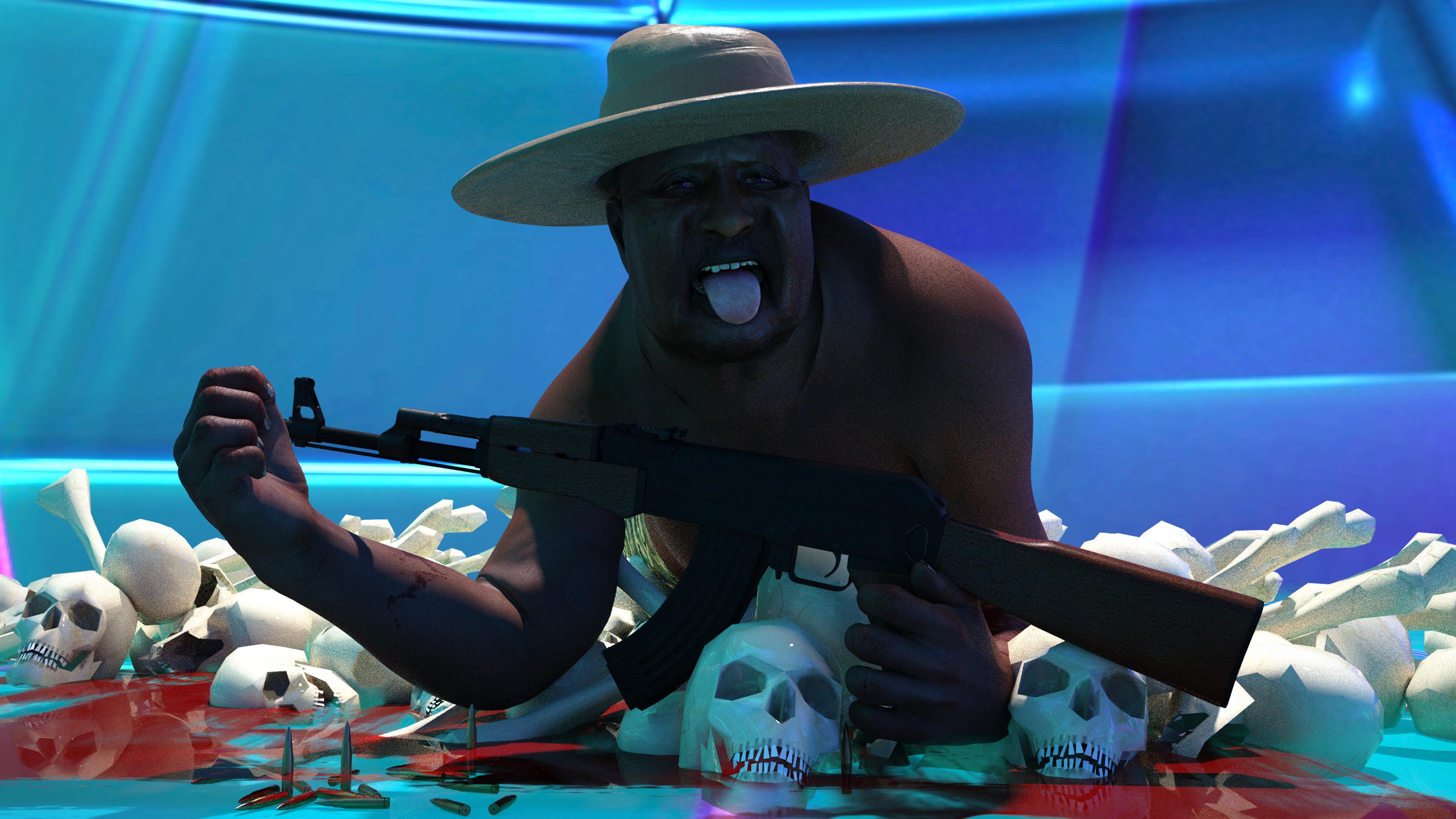 15. Frank Kalimuzo, vice chancellor of Makerere University , 1972. Murdered by FRONASA agents, to cause fear in Uganda ’s civil service and academic circles. The story of Kalimuzo’s death given by Kintu Musoke had many inconsistencies.
 KIZZA BESIGYE A VERY GREEDY POLITICIAN LIKE HYNA SHOULD NOT BE ENTRUSTED WITH OUR NINs.
 This man Martin Byakuleka now based in Boston USA, spied on Ugandans during his time as an ESO agent working under the cover of being a diplomat.He was an associate of Amama Mbabazi and he argued vehemently for the passing of POMB bill, that has led to the denial of rights to many people.Just because he was seeking asylum in USA, he pretended the regime was after him after Mbabazi fell out with M7.TODAY HE PRETENDS TO BE THE MOST HUMAN RIGHTS DEFENDER JUST TO HOODWINK PEOPLE…HE MUST BE EXPOSED FOR WHO HE IS, SO THAT THE WORLD KNOWS HIS PAST ACTIVITIES THAT HAVE RESULTED IN THE MOST BRUTAL REPRESSION UNDER POMB.
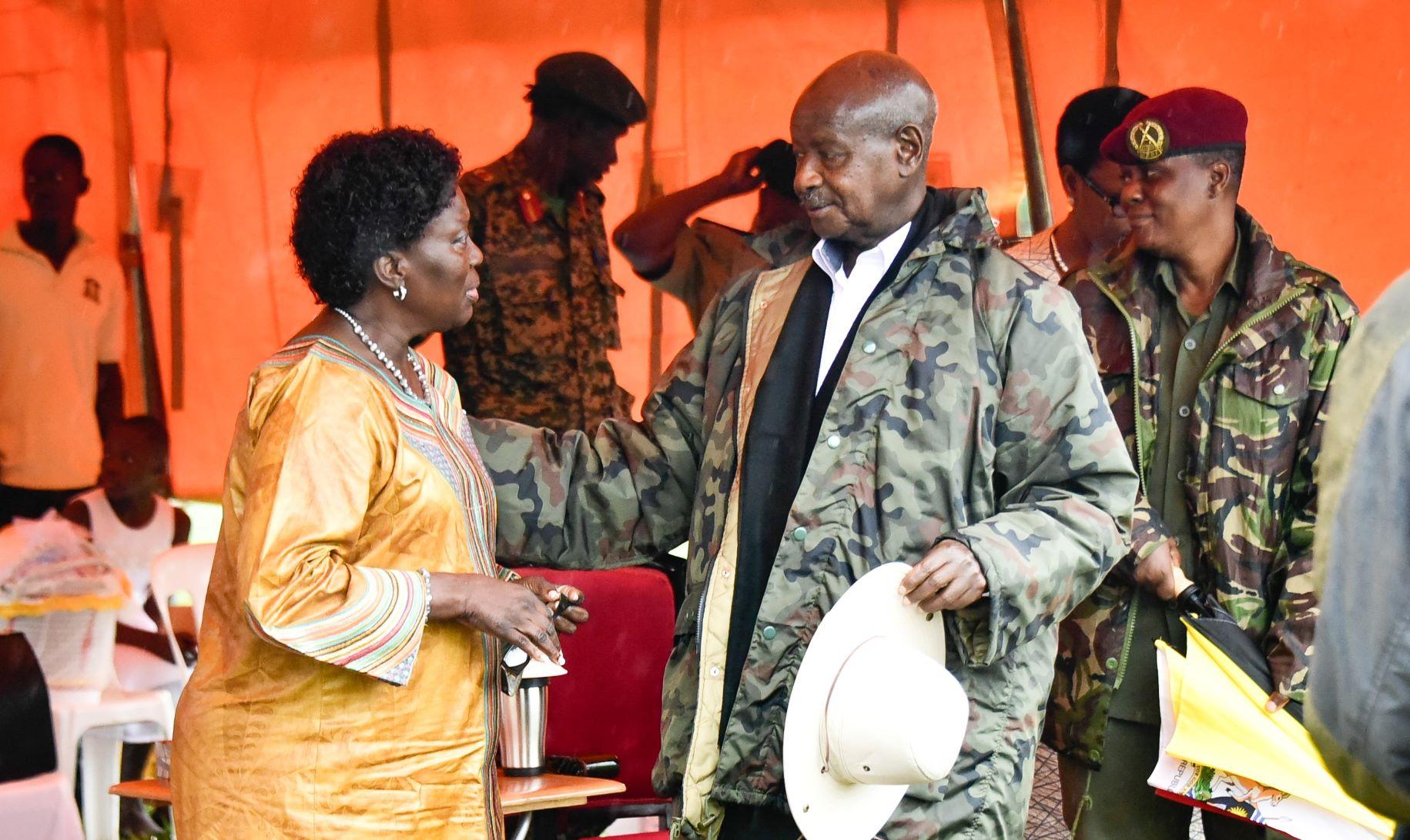 99% OF THOSE LED IN PARLIAMENT BY Rebecca kadaga are like her. They have no other ambitions until they die.
 Racheal Ciconco Mbabazi, the daughter of former Prime Minister Amama Mbabazi, has been appointed as the chairperson Board of Directors of National Water and Sewerage Corporation (NWSC).
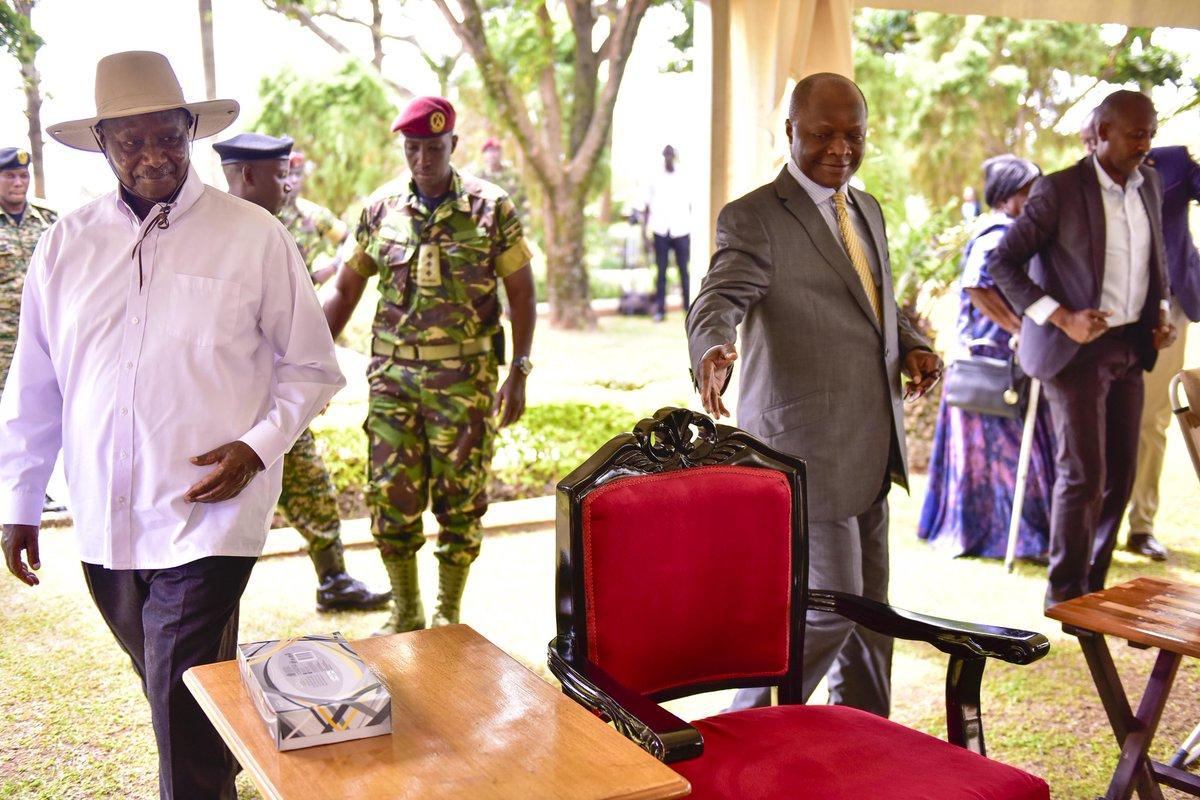 Imagine buying all these commodities so highly in the name of taxing and the government begins pouring all this tax payers funds into these presidential adviser projects instead of working of our village feeder roads,health centre etc.
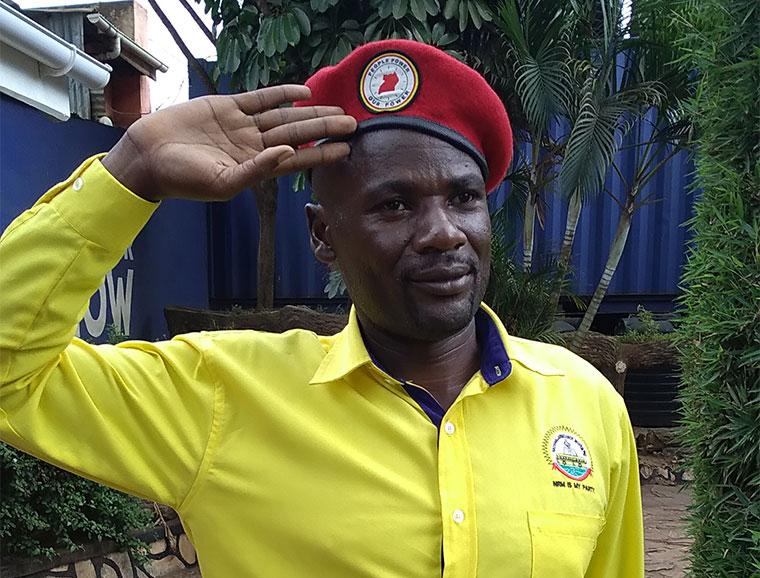 People Power Ankole Coordinator MP MBWATEKAMWA Quits People Power Pressure Group, Rejoins NRM.
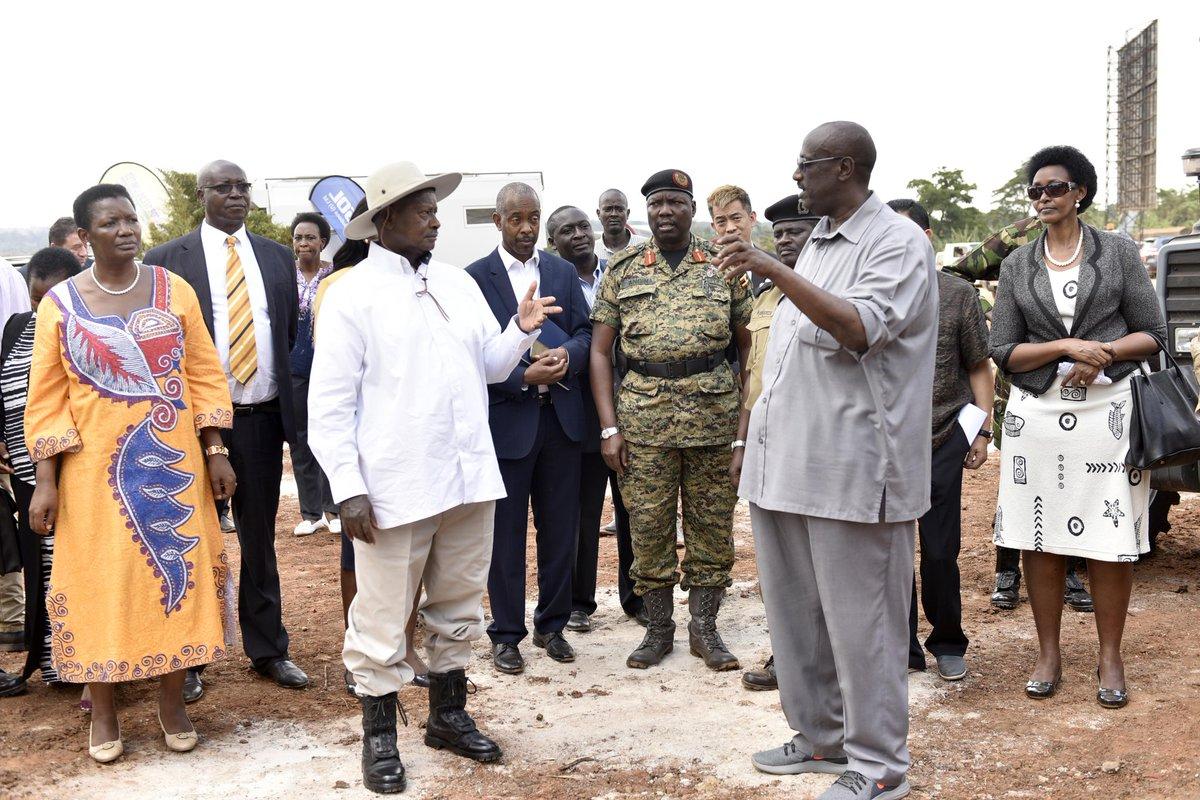 On February 6, 1981, the NRA fired the first shot that marked the start of the five-year Bush War that climaxed with President Museveni ascension to power. Today marks 33 years since the war was launched. In a two-part series, Charles Mwanguhya Mpagi and Risdel Kasasira profile NRA’s top 100 fighters (RO/0001-RO/0100).
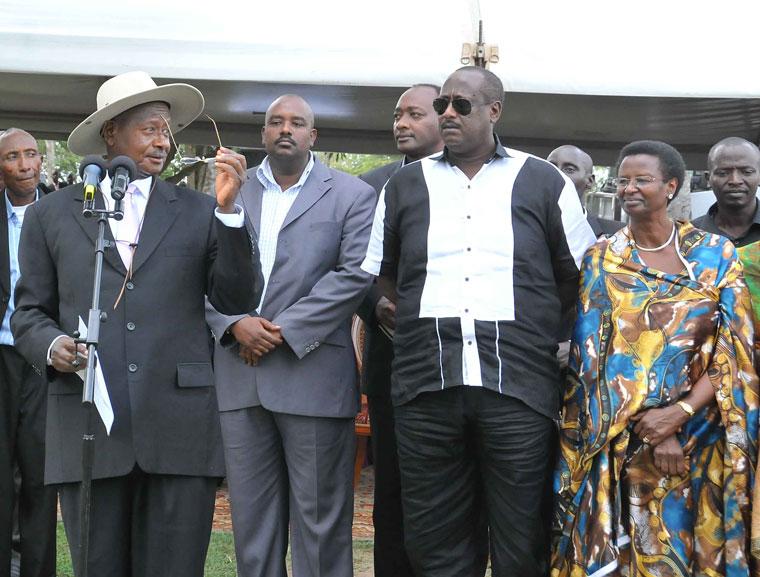 Several individuals and groups have in the past petitioned the International Criminal Court (ICC) over President Yoweri Museveni and other officials in his government but the court has not acted.