
The Sinister Seduction of Parliamentary Perks: Corruption Within Uganda’s System
Picture this: a dusty arena under the scorching East African sun. The crowd roars, not for lions or acrobats, but for politicians—the ringmasters of Uganda’s grand spectacle of democracy. In one corner stands the incumbent, draped in regal authority, his grip on power as unyielding as the equator that slices through the nation. And in the other? The opposition leaders, once fiery crusaders for justice, now caught in a web of their own making—a tangled mess of ambition, greed, and questionable choices.

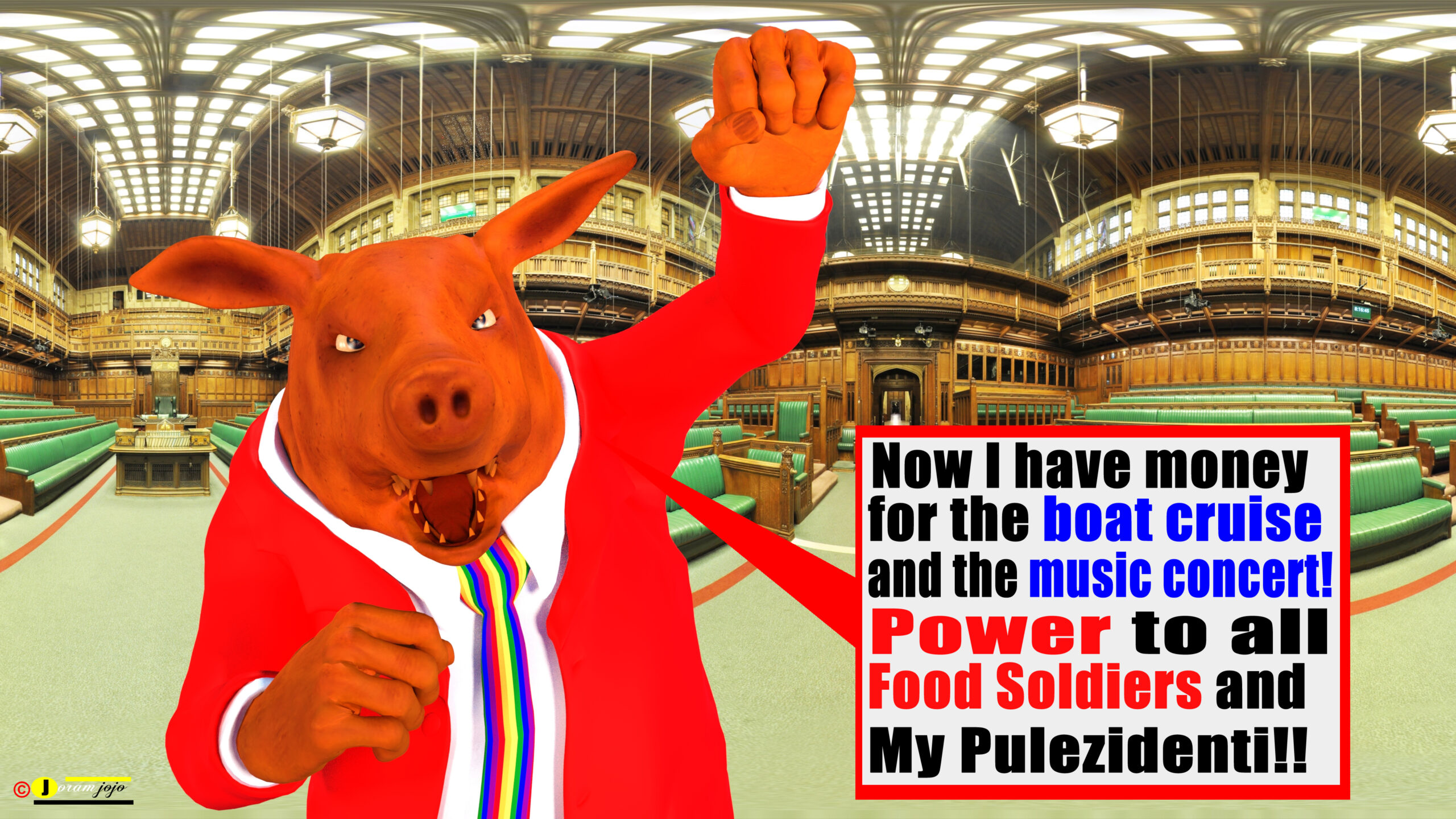
This is no ordinary circus; it’s a high-stakes game where dreams are bartered, promises dissolve like sugar in tea, and the line between hero and villain blurs faster than you can say “parliamentary allowance.” Welcome to Uganda’s political theatre, where every act leaves you questioning whether you’ve witnessed brilliance or betrayal.
Act I: The Presidential Dream Deferred
Once upon a time, our protagonist—let’s call him Honourable Mwesigwa —was the darling of the people. With fiery speeches and bold promises, he vowed to topple the mighty oak of dictatorship. His rallying cry echoed across villages and cities alike: “Change is coming!” But then something strange happened. Somewhere along the winding road to State House, Honourable Mwesigwa took an unexpected detour. Instead of aiming for the presidency, he set his sights on a humble parliamentary seat.
Was it strategy? Pragmatism? Or had the allure of plush leather chairs, chauffeur-driven cars, and monthly allowances turned his head? As whispers of corruption swirled around Kampala’s corridors of power, cynics couldn’t help but chuckle. Had the man who once vowed to dismantle the system become just another cog in its machine?
Act II: The Perks of Parliament
Ah, parliament! That hallowed chamber where laws are made—and fortunes amassed. For many opposition figures, entering parliament isn’t about crafting legislation or holding the executive accountable. No, no—it’s about access. Access to resources. Access to influence. Access to those sweet, sweet perks that come with being an MP.
Take, for instance, the infamous case of Madam Nakato, whose rise from grassroots activist to parliamentarian was nothing short of meteoric. Once celebrated for her fearless advocacy against land grabs, she now spends more time attending lavish cocktail parties than fighting for her constituents. Her Instagram feed tells the story: designer handbags, luxury SUVs, and cryptic captions about “empowerment.” Empowerment, indeed—for whom?
And let’s not forget the legendary tale of Mr. Kato, whose sudden acquisition of prime real estate properties raised eyebrows nationwide. When asked how he afforded such opulence on a legislator’s salary, he simply smiled and said, “God works in mysterious ways.” Yes, God—and perhaps a few lucrative contracts slipped under the table.
Act III: The People’s Betrayal
But what of the people? Those millions of Ugandans who queued for hours to cast their votes, believing they were electing champions of change? What happens when hope turns to disillusionment?
In the rural village of Bugiri, elderly farmer Mama Nalongo recounts how she sold three goats to fund her son’s trip to vote for an opposition candidate. “He promised us clean water,” she says, her voice trembling with equal parts anger and sorrow. “Now we still drink from the same dirty well, while he drives a shiny new car.”
It’s a familiar refrain across the country. Voter apathy grows as citizens realize their trust has been exploited. Why bother participating in elections when even the so-called “champions of the people” succumb to the siren song of personal gain?
Act IV: Counterarguments and Compromises
Of course, not everyone sees this as a tragedy. Some argue that securing a parliamentary seat is a calculated move—a Trojan horse strategy to infiltrate the system from within. After all, how can you challenge the status quo if you’re shouting from the sidelines?
Others point out that having opposition voices in parliament, however flawed, is better than none at all. Checks and balances matter, even if the players aren’t perfect. Consider Dr. Okello , a former firebrand turned pragmatic lawmaker, who recently spearheaded a bill to increase funding for rural healthcare. Critics may sneer at his methods, but patients in remote clinics aren’t concerned about politics—they care about results.
Act V: The Fragile Flame of Democracy
And so, we arrive at the crux of the matter: what does this mean for Uganda’s fragile democracy? Is it doomed to collapse under the weight of self-serving opportunists, or can it rise above the chaos?
Perhaps the answer lies not in the leaders themselves, but in the people they claim to serve. History shows us that true change rarely comes from the top down. It bubbles up from grassroots movements, fuelled by ordinary citizens demanding accountability. From the youth-led protests against social media taxes to the brave journalists exposing corruption, there are glimmers of hope amidst the gloom.
Still, the question lingers: will Uganda’s political class ever prioritize the collective good over personal gain? Or will the cycle of broken promises continue, leaving future generations to pick up the pieces?
Curtain Call: A Nation at a Crossroads
As the lights dim on Uganda’s political stage, one thing is clear: this drama is far from over. Each act reveals new twists and turns, keeping audiences on the edge of their seats. Will Honourable Mwesigwa redeem himself, or fade into obscurity as yet another cautionary tale? Can Madam Nakato find her way back to the ideals that once defined her? And most importantly, will the people reclaim their role as the true architects of their destiny?
For now, the curtain falls—but only temporarily. Tomorrow brings another performance, another chance to rewrite the script. Until then, we watch, we wait, and we wonder: will Uganda’s democracy emerge stronger, or will it crumble beneath the weight of its own contradictions?
One thing’s for sure: in the great Ugandan political circus, the show must go on.
1.The Great Divide: Parliament vs. State House – A Tale of Two Thrones
Once upon a time in the land of Uganda, where politics was as unpredictable as the weather and twice as dramatic, there existed two thrones. One throne gleamed with power—the State House, home to the president, whose every decree could reshape the nation’s destiny. The other was more understated but no less coveted: the hallowed halls of Parliament, where laws were forged, debates raged, and fortunes quietly amassed.
But here’s the twist: what happens when an aspiring king—or queen—abandons their quest for the gilded crown of State House and instead settles for a seat among the lawmakers? Is it noble pragmatism or sinister opportunism? Let us embark on this thrilling journey through ambition, betrayal, and the eternal struggle between ideals and self-interest.
Chapter 1: The Allure of the Crown
Imagine standing at the foot of Mount Elgon, staring up at its towering peak. That’s how many Ugandan politicians view the presidency—a summit so high that only the boldest dare climb it. For years, Honourable Musa Kato had been one such dreamer. His fiery speeches echoed across rally grounds like thunderclaps, promising revolution, justice, and prosperity. “I will be your voice!” he declared, his fist punching the air like a warrior charging into battle.
Yet, something peculiar happened along the way. As election season approached, whispers spread that Honourable Kato wasn’t running for president after all. Instead, he’d set his sights on a parliamentary seat—a move akin to swapping Everest for a modest hilltop hike. Was this humility rearing its head? Or had the mountain proved too steep?
Chapter 2: The Sinister Seduction of Parliament
Parliament may not sparkle like State House, but don’t let its unassuming facade fool you. Behind those heavy wooden doors lies a treasure trove of perks and privileges. Fancy cars? Check. Generous allowances? Double check. Business connections that would make even the slickest tycoon jealous? You bet.
Take Madam Nakimuli, once hailed as a fearless advocate for women’s rights. She traded her grassroots activism for a plush office in Kampala, complete with leather chairs and a staff eager to fetch her chai. Critics scoffed, accusing her of abandoning her cause for comfort. But Madam Nakimuli simply smiled, sipping her tea while signing lucrative deals behind closed doors. After all, who needs revolutions when you can have real estate empires?
And then there’s Mr. Ojok , whose transformation from fiery rebel to polished parliamentarian left jaws dropping. Once known for sleeping on mats during protests, he now holidays in Dubai and boasts a wardrobe fit for a fashion magazine. When asked about his newfound wealth, he quipped, “Politics is the art of survival.” Survival, indeed—for some.
Chapter 3: The People’s Betrayal
Ah, but what of the people? Those millions of Ugandans who pinned their hopes on these self-proclaimed champions of change? What happens when trust turns to disillusionment?
In the dusty streets of Arua, old man Okello tells the story of selling his last cow to fund his grandson’s trip to vote for an opposition candidate. “He promised us schools,” Okello says, his voice trembling with rage. “Now my grandsons still walk barefoot to class, while he drives a Mercedes-Benz.”
It’s a tale repeated across the country. From the bustling markets of Jinja to the quiet villages of Mbarara, citizens feel betrayed by leaders who traded their dreams for designer suits and Swiss bank accounts. Voter apathy grows, fuelled by cynicism and despair. Why bother casting ballots when even the supposed “heroes” succumb to greed?
Chapter 4: Strategic Moves or Opportunistic Gambits?
Not everyone views this shift as sinister, though. Some argue that entering parliament is a cunning strategy—a Trojan horse tactic to infiltrate the system from within. After all, how can you dismantle the machine if you’re shouting from the outside?
Consider Dr. Akello, a former firebrand turned pragmatic lawmaker. Though critics mock her for “selling out,” she recently championed a bill to improve maternal healthcare, saving countless lives. “Change doesn’t always come with fanfare,” she says, brushing off detractors. “Sometimes, it comes quietly, through compromise.”
Others see value in having opposition voices in parliament, however flawed. Checks and balances matter, even if the players aren’t perfect. Without them, the executive branch becomes untouchable—a dragon without knights brave enough to challenge it.
Chapter 5: The Fragile Flame of Democracy
So, what does this mean for Uganda’s fragile democracy? Is it doomed to collapse under the weight of corruption and misplaced ambition? Or can it rise above the chaos, phoenix-like, to forge a brighter future?
Perhaps the answer lies not in the leaders themselves but in the people they claim to serve. History shows us that true change rarely trickles down—it bubbles up. From the youth-led protests against social media taxes to the courageous journalists exposing graft, there are glimmers of hope amidst the gloom.
Still, the question lingers: will Uganda’s political class ever prioritize the collective good over personal gain? Or will the cycle of broken promises continue, leaving future generations to pick up the pieces?
Epilogue: The Throne Awaits
As the sun sets over Lake Victoria, casting golden ripples across the water, one thing remains clear: the battle between Parliament and State House is far from over. Each throne offers its own allure—one dripping with raw power, the other with subtle influence.
Will Honourable Kato find redemption, proving his critics wrong? Can Madam Nakimuli balance her ambition with integrity? And most importantly, will the people reclaim their role as the true architects of their destiny?
For now, the stage is set, the actors ready. Tomorrow brings another act, another chance to rewrite the script. Until then, we watch, we wait, and we wonder: which throne will prevail—and at what cost?
Because in the end, whether it’s Parliament or State House, the real throne belongs to the people. And woe to any leader who forgets that.
The Golden Cage of Parliament: Where Ideals Go to Die (and Bank Accounts Thrive)
Once upon a time in the land of Uganda—a place where politics is as much about survival as it is about service—there existed a peculiar phenomenon. It wasn’t magic, though some might call it sorcery. No, this was something far more sinister and alluring: the irresistible pull of parliamentary perks. For many aspiring leaders, the journey into parliament wasn’t just about crafting laws or representing the people—it was about stepping into a gilded world where power came wrapped in cashmere suits, chauffeur-driven cars, and enough allowances to make even the most frugal heart flutter.
But beware, dear reader, for this tale isn’t one of noble quests or heroic deeds. Oh no, this is a story of ambition gone awry, of ideals traded for indulgence, and of promises shattered like glass beneath polished leather shoes.
Act I: The Siren Song of Allowances
Let us begin with Honourable Musa, a man who once stood atop soapboxes in dusty marketplaces, railing against corruption and inequality. His speeches were poetry; his passion infectious. “We will fight for you!” he bellowed, his voice echoing through crowded streets. And fight he did—until he entered parliament.
It started innocently enough. A modest salary here, a travel allowance there. But soon, Honourable Musa discovered the true treasure trove of parliamentary life. There were sitting allowances for attending sessions (which, conveniently, paid whether you spoke or slept). There were constituency development funds—millions earmarked for local projects but often rerouted to mysterious bank accounts. And then came the pièce de résistance: lucrative contracts awarded by grateful businessmen eager to curry favour.
By the end of his first term, Honourable Musa had transformed from grassroots activist to gentleman farmer, owning acres of land and a fleet of luxury vehicles. When asked how he afforded such extravagance on a legislator’s pay, he grinned and said, “I diversified my income streams.” Diversified, indeed—for whom?
Act II: The Phantom Millionaires
Ah, but Honourable Musa was not alone. Across the political landscape, tales of overnight wealth abounded. Take Madam Nakato , once celebrated for her fearless advocacy against gender-based violence. Her fiery speeches inspired hope—but her financial portfolio inspired suspicion. How did she afford that sprawling mansion overlooking Lake Victoria? Or those designer handbags that seemed to multiply faster than rabbits?
Investigative journalists dug deep, uncovering a web of dubious deals and questionable investments. One report revealed that Madam Nakato had become a silent partner in several construction companies—companies that mysteriously won government tenders worth billions. When confronted, she shrugged off accusations with practiced ease. “Success breeds envy,” she declared, sipping champagne at an exclusive gala. Success, perhaps—but whose?
And let us not forget Mr. Okello , whose rise from humble schoolteacher to jet-setting entrepreneur left tongues wagging. Once known for wearing patched-up jackets during rallies, he now sported tailored suits and gold watches. Rumors swirled that his newfound wealth stemmed from facilitating shady land deals. Yet when pressed, Mr. Okello simply smiled enigmatically. “In politics,” he mused, “you either adapt or perish.”
Act III: The People’s Betrayal
But what of the people—the millions who placed their trust in these so-called champions of justice? What happens when hope turns to disillusionment?
In the rural village of Bugiri, elderly farmer Mama Nalongo recounts how she sold three goats to fund her son’s trip to vote for an opposition candidate. “He promised us clean water,” she says, her voice trembling with equal parts anger and sorrow. “Now we still drink from the same dirty well, while he drives a shiny new car.”
Her story is echoed across the nation. In Kampala’s slums, unemployed youth scoff at politicians’ empty promises. In remote villages, mothers lament broken pledges of schools and clinics. Voter apathy grows as citizens realize their votes have been bartered away—not for change, but for comfort.
Yet amidst the cynicism, whispers of rebellion stir. Youth activists take to social media, exposing corruption and demanding accountability. Journalists risk their lives to uncover scandals, shining light into the shadows of power. Perhaps, just perhaps, the tide is beginning to turn.
Act IV: The Devil’s Bargain
Still, defenders of parliamentarians argue that the allure of perks isn’t inherently evil—it’s human nature. After all, who wouldn’t be tempted by the promise of wealth and influence? Some insist that entering parliament is a calculated move, a means to build networks and resources needed to effect real change later.
Consider Dr. Akello, a former activist turned pragmatic lawmaker. Though critics accuse her of “selling out,” she counters that navigating the system requires compromise. “If I must wear a suit to dismantle the machine, so be it,” she declares. And indeed, her efforts have yielded results—laws passed, policies implemented, lives improved.
Others point out that having opposition voices in parliament, however flawed, is better than none at all. Without them, the executive branch becomes untouchable—a dragon without knights brave enough to challenge it.
Act V: The Fragile Flame of Democracy
So, what does this mean for Uganda’s fragile democracy? Is it doomed to collapse under the weight of greed and opportunism? Or can it rise above the chaos, phoenix-like, to forge a brighter future?
Perhaps the answer lies not in the leaders themselves, but in the people they claim to serve. History shows us that true change rarely trickles down—it bubbles up. From the youth-led protests against social media taxes to the courageous journalists exposing graft, there are glimmers of hope amidst the gloom.
Still, the question lingers: will Uganda’s political class ever prioritize the collective good over personal gain? Or will the cycle of broken promises continue, leaving future generations to pick up the pieces?
Epilogue: The Price of Power
As the curtain falls on this darkly comedic tragedy, one truth remains clear: the allure of parliamentary perks is both a blessing and a curse. For some, it provides the tools to enact meaningful change. For others, it becomes a golden cage, trapping them in a cycle of greed and betrayal.
Will Honourable Musa find redemption, proving his critics wrong? Can Madam Nakato balance her ambition with integrity? And most importantly, will the people reclaim their role as the true architects of their destiny?
For now, the stage is set, the actors ready. Tomorrow brings another act, another chance to rewrite the script. Until then, we watch, we wait, and we wonder: will Uganda’s leaders choose to serve—or to seize?
Because in the end, the greatest perk of all isn’t money or power—it’s the trust of the people. And woe to any leader who takes that lightly.
The Great Betrayal: How Democracy Crumbles When Leaders Forget Their Lines
Once upon a time in the land of Uganda—a nation where hope often dances hand-in-hand with despair—there existed an unwritten pact between leaders and the led. It was simple, really: citizens would entrust their votes to politicians who promised to champion their rights, fight for justice, and steer the ship of state toward brighter horizons. But what happens when those captains abandon the helm, choosing instead to sip champagne in first-class cabins while the rest of the passengers drown in disillusionment?
Welcome to the tragicomedy of modern Ugandan democracy, where trust isn’t just broken—it’s shattered into pieces so small they can’t even be glued back together. This is the story of how personal ambition erodes faith in leadership, leaving behind a fragile shell of governance that benefits only the elite.
Act I: The Broken Mirror
Imagine standing before a mirror, expecting to see your reflection but finding only cracks staring back at you. That’s how many Ugandans feel about their political system today. Once proud supporters of opposition figures who vowed to challenge tyranny, they now find themselves questioning everything—from the motives of their leaders to the very foundations of democracy itself.
Take Honourable Musa, for instance. Once hailed as a beacon of change, he traded fiery speeches against corruption for flashy cars funded by dubious deals. Or consider Madam Nakato, whose Instagram feed transformed from grassroots activism photos to designer handbags and luxury holidays. These aren’t isolated incidents; they’re part of a pattern that has left voters feeling like pawns in a game rigged against them.
Surveys paint a grim picture. A recent poll revealed that over 60% of Ugandans believe politicians prioritize personal gain over public service. Another study found that voter turnout has plummeted in regions once known for passionate participation. Why bother casting ballots when even the “champions of the people” succumb to greed?
Act II: The Erosion of Trust
Trust, dear reader, is like sand slipping through fingers—easy to lose, nearly impossible to regain. When opposition leaders appear more interested in climbing the ladder of privilege than dismantling oppressive systems, it sends shockwaves through society. Citizens begin to wonder: if not these self-proclaimed saviours, then who?
In Bugiri District, elderly farmer Mama Nalongo recounts selling her last goat to fund her grandson’s trip to vote for an opposition candidate. “He promised us schools,” she says, her voice trembling with anger and sorrow. “Now my grandchildren still walk barefoot to class, while he drives a Mercedes-Benz.” Her story echoes across villages and cities alike, each one a testament to betrayal.
Voter apathy grows as cynicism takes root. In Kampala’s slums, unemployed youth scoff at campaign posters plastered on crumbling walls. “They all lie,” mutters James, a 24-year-old mechanic. “One promises jobs, another promises roads—but nothing changes except their bank accounts.”
Even worse, this erosion of trust leaves ordinary citizens vulnerable to exploitation. With no faith in opposition leaders, many turn back to the ruling party—or worse, disengage entirely, allowing both sides to operate without accountability. Democracy becomes less a vibrant marketplace of ideas and a more hollow facade, propped up by empty promises and shiny distractions.
Act III: The System Strikes Back
But here’s the sinister twist: the ruling party loves nothing more than watching opposition factions implode under accusations of hypocrisy. After all, why bother silencing critics when they’re busy doing it themselves?
Consider President Big Man (not his real name, but close enough), whose administration gleefully amplifies scandals involving opposition MPs. “See?” he declares during rallies. “These are the people you trusted! They’re no different from us!” And sadly, he’s right—at least in some cases. By focusing on personal enrichment, opposition leaders inadvertently legitimize the status quo, making it easier for entrenched powers to maintain control.
Meanwhile, ordinary citizens bear the brunt of this dysfunction. Public services crumble, inequality deepens, and dreams of progress fade like mirages in the desert. The system wins, the elites prosper, and the people suffer.
Act IV: A Ray of Hope Amidst the Shadows
Yet amidst the gloom, flickers of resistance emerge. Youth activists armed with smartphones expose corruption on social media, sparking outrage and demanding action. Investigative journalists risk their lives to uncover scandals, shining light into the darkest corners of power. Grassroots movements rise, reminding everyone that true change begins not in parliament but in communities.
Consider Grace Namutebi, a young activist leading protests against rising food prices. She doesn’t seek office or accolades; she simply wants justice. “We’re tired of being lied to,” she says, addressing a crowd outside Parliament. “If our leaders won’t serve us, we’ll serve ourselves.”
Her words resonate deeply, igniting sparks of rebellion across the nation. For every disillusioned voter, there’s someone willing to pick up the torch and carry it forward. Perhaps, just perhaps, the tide is beginning to turn.
Act V: The Fragile Flame of Democracy
So, what does this mean for Uganda’s fragile democracy? Is it doomed to collapse under the weight of betrayal and opportunism? Or can it rise above the chaos, phoenix-like, to forge a brighter future?
The truth lies somewhere in between. Democracy isn’t dead—it’s wounded, bleeding, gasping for air. But wounds can heal, provided there’s willpower and collective effort. The question remains: will Uganda’s leaders choose to mend the breach, or will they continue down the path of self-destruction?
Political analysts warn that restoring trust won’t happen overnight. It requires transparency, accountability, and most importantly, a renewed commitment to serving the people—not exploiting them. Without these changes, Uganda risks sliding further into authoritarianism, where power consolidates in fewer hands and dissent is crushed beneath iron boots.
Epilogue: The People’s Throne
As the curtain falls on this gripping drama, one thing is clear: the fate of Uganda’s democracy rests not solely in the hands of its leaders but in the hearts of its people. Yes, betrayal stings, and disillusionment runs deep. But history shows us that revolutions—both literal and metaphorical—are born out of broken promises.
Will Honourable Musa redeem himself, proving his critics wrong? Can Madam Nakato balance ambition with integrity? And most importantly, will the people reclaim their role as the true architects of their destiny?
For now, the stage is set, the actors ready. Tomorrow brings another act, another chance to rewrite the script. Until then, we watch, we wait, and we wonder: will Uganda’s leaders choose to lead—or to loot?
Because in the end, democracy isn’t a throne reserved for the powerful. It belongs to the people. And woe to any leader who forgets that.
The Double-Edged Throne: Is Parliament a Stepping Stone or a Dead End?
In the grand theatre of Ugandan politics, where every move is scrutinized and every motive questioned, there exists a curious paradox. For some, entering parliament is akin to selling your soul to the devil—a Faustian bargain where ideals are traded for perks. But for others, it’s a calculated gambit, a strategic manoeuvre in the chess game of power. Could it be that what looks like opportunism is actually foresight? Or is this just another layer of spin, masking greed with noble intentions?
Let us delve into the murky waters of counterarguments and alternative perspectives, where the line between pragmatism and betrayal blurs like smoke on a battlefield.
Act I: The Art of Strategic Retreat
Imagine you’re climbing Mount Elgon, determined to reach its peak. But halfway up, you realize the path ahead is treacherous, littered with obstacles too great to overcome alone. What do you do? Do you abandon the climb entirely, or do you find a foothold—a place to regroup, gather strength, and plan your next ascent?
This, argue defenders of parliamentary ambition, is precisely why some opposition leaders choose parliament over the presidency. Take Honorable Musa, for example. Once a fiery advocate for revolution, he now sits quietly in the backbenches of parliament, drafting legislation and building alliances. Critics call him a sellout, but his supporters see genius in his strategy. “You can’t dismantle the system if you’re shouting from outside,” says political analyst Dr. Okello. “Sometimes, you have to infiltrate it.”
Indeed, history offers examples of leaders who used parliament as a springboard. Consider Nelson Mandela, whose early years in South Africa’s apartheid-era legislature allowed him to build networks and gain insight into governance—skills he later wielded to reshape an entire nation. Perhaps Honourable Musa isn’t abandoning his dreams; perhaps he’s playing the long game.
Act II: Checks, Balances, and Necessary Compromises
Now, let’s shift gears to a more pragmatic argument: even imperfect opposition voices in parliament are better than none at all. Without them, the executive branch becomes untouchable—a dragon without knights brave enough to challenge it.
Enter Madam Nakato , whose tenure as an MP has been controversial, to say the least. Her critics accuse her of prioritizing personal wealth over public service, pointing to her sudden acquisition of luxury properties. Yet, defenders highlight her role in spearheading a landmark bill to increase funding for rural healthcare. “Yes, she may have flaws,” admits journalist Sarah Kato, “but her work saved lives. Isn’t that worth something?”
Others echo this sentiment, arguing that checks and balances matter, regardless of the players’ motivations. After all, democracy thrives not on perfection but on participation. Even flawed lawmakers can block Draconian laws, expose corruption, and advocate for marginalized communities. As one scholar puts it, “A watchdog doesn’t need to be pure—it just needs to bark loudly when danger approaches.”
Act III: The Quiet Heroes Among Us
But wait—there’s more to this tale than flashy headlines and scandalous exposés. Beneath the surface lies a quieter narrative, one of unsung heroes using their positions to effect meaningful change.
Take Dr. Akello, a former activist turned lawmaker whose transformation baffled many. Gone were the fiery speeches; in their place came meticulous research, late-night debates, and painstaking negotiations. Critics mocked her for “going soft,” but few noticed the impact of her efforts. Thanks to her persistence, a new policy was enacted to provide free sanitary pads to schoolgirls, reducing dropout rates across rural areas.
When asked about accusations of compromise, Dr. Akello simply smiled. “Change isn’t always loud,” she said. “Sometimes, it whispers.”
Such stories remind us that not all parliamentary ambitions stem from greed. Some arise from necessity—the understanding that systemic reform requires patience, resilience, and yes, compromise.
Act IV: The Devil’s Advocate Speaks
Of course, no discussion would be complete without addressing the skeptics. To them, these arguments reek of justification—a desperate attempt to mask opportunism with noble rhetoric. “Strategic retreat?” scoffs veteran journalist James Mulondo. “That’s just code for giving up. If you truly cared about the people, you’d fight for the presidency, not settle for a cushy seat in parliament.”
He raises a valid point. After all, how many MPs enter parliament intending to enact meaningful reforms—and how many simply use it as a cash cow? The data paints a grim picture: studies indicate that a significant portion of Uganda’s lawmakers accumulate wealth far beyond their official salaries, often through questionable means.
Even so, Mulondo acknowledges that blanket condemnation overlooks nuance. “Not everyone is corrupt,” he admits. “Some genuinely believe they’re making a difference. But until we hold them accountable, we’ll never know which is which.”
Act V: The Fragile Dance of Democracy
So, where does this leave us? Is parliament a stepping stone to greater heights—or a dead end paved with broken promises? The truth, as always, lies somewhere in between.
Democracy is messy, unpredictable, and often frustrating. It demands compromise, tolerates imperfection, and rewards those willing to play the long game. Yes, some leaders abuse their positions for personal gain—but others use them as tools for incremental progress. The challenge lies in distinguishing between the two.
Political scientist Dr. Namutebi offers a poignant analogy: “Think of democracy as a garden. Some plants grow quickly, while others take time to bloom. You can’t judge the health of the garden based on one season’s harvest.”
Epilogue: The People’s Verdict
As the curtain falls on this intricate drama, one question lingers in the air: will Uganda’s citizens trust their leaders to navigate this delicate balance—or will they demand accountability at every turn?
Perhaps Honourable Musa will rise again, proving his critics wrong and challenging for the presidency. Perhaps Madam Nakato will channel her resources toward genuine reform rather than self-enrichment. And perhaps Dr. Akello will inspire a new generation of lawmakers to prioritize service over spectacle.
For now, the stage is set, the actors ready. Tomorrow brings another act, another chance to rewrite the script. Until then, we watch, we wait, and we wonder: will Uganda’s leaders choose to serve—or to seize?
Because in the end, democracy isn’t a throne reserved for the powerful. It belongs to the people. And woe to any leader who forgets that.
The People’s Sword: How to Hold Leaders Accountable in a World of Smoke and Mirrors
Once upon a time, in the bustling heart of Uganda—a land where politics was as much theatre as it was governance—the people began to realize something unsettling. Their leaders weren’t just actors on a stage; they were magicians, weaving illusions so dazzling that even the sharpest eyes struggled to see through them. Promises made during campaigns vanished like morning mist once elections ended. And yet, amidst this spectacle of betrayal and broken vows, a quiet rebellion stirred. For if democracy is a garden, then accountability is its fence—and without it, weeds will surely overrun the soil.
This is the story of how ordinary citizens, armed with courage, wit, and an unyielding demand for truth, can reclaim their power. It’s not enough to vote; you must also watch. Not enough to hope; you must also act. Welcome to the battle for accountability—a fight as thrilling as any adventure, as poignant as any tragedy, and as necessary as oxygen itself.
Act I: The Great Illusionists
Let us begin with Honourable Musa, a master illusionist whose speeches could charm snakes into dancing. During his campaign, he promised schools, hospitals, and paved roads. But once elected, his priorities shifted faster than a chameleon changes colour. Schools remained unbuilt, but his fleet of luxury cars grew exponentially. When asked about this discrepancy, he grinned slyly and said, “Leadership evolves.”
And then there’s Madam Nakato , whose Instagram feed transformed from grassroots activism photos to designer handbags and champagne brunches. Her constituents wondered aloud: Was she serving them—or herself?
But here’s the twist: these leaders didn’t fool everyone. In Bugiri District, elderly farmer Mama Nalongo stood firm, refusing to let her disillusionment turn into apathy. “They think we’re blind,” she declared at a village meeting, “but we see everything.”
Her words sparked a movement. Across the nation, citizens began organizing, demanding answers. They realized that while leaders may hold titles, true power lies in the hands of those who elect them.
Act II: The Tools of the Trade
So, how does one pierce the veil of deception? What weapons can ordinary citizens wield against the mighty? Fear not, dear reader, for the arsenal is vast—and growing sharper by the day.
- Grassroots Activism: Picture a group of young activists armed with smartphones, filming every empty promise and exposing corruption on social media. These digital warriors have become the bane of self-serving politicians. Take Grace Namutebi, whose viral video of an MP dodging questions about misused funds sent shockwaves through Kampala. “If they won’t answer to us,” she says, “we’ll make sure the whole world hears their silence.”
- Media Watchdogs: Journalists are the unsung heroes of democracy, risking life and limb to uncover scandals hidden beneath layers of bureaucracy. Investigative reporter James Mulondo spent months tracking down documents proving that several lawmakers had funnelled public money into private accounts. His exposé led to arrests—and reminded everyone that no one is untouchable.
- Community Vigilance: In rural villages, community groups now monitor government projects, ensuring funds allocated for schools or clinics aren’t siphoned off. One such group in Mbarara discovered that materials meant for a new health centre had been sold illegally. Armed with evidence, they marched to the district office, forcing officials to intervene.
- Legal Action: Sometimes, the law is the best weapon. Civil society organizations file lawsuits against corrupt officials, holding them accountable in court. Recently, a coalition successfully challenged the legality of a dubious land deal involving a high-profile politician. Justice may be slow, but it is relentless.
- Election Pressure: Voting isn’t just a civic duty—it’s a weapon. Citizens are learning to vote strategically, supporting candidates with proven track records over flashy personalities. Social media campaigns like #VoteForActionNotPromises have gained traction, urging voters to prioritize integrity over charisma.
Act III: The Sinister Resistance
Of course, holding leaders accountable comes with risks. Those who dare to challenge the status quo often face retaliation. Activists are harassed, journalists intimidated, whistleblowers silenced. In some cases, the consequences are deadly.
Consider the chilling tale of David Okello , a teacher turned activist who exposed embezzlement in his local government. Days after posting damning evidence online, his home was raided, and he narrowly escaped arrest. “They want me to disappear,” he told friends, “but I refuse to be afraid.”
Such stories remind us that accountability is not for the faint-hearted. It requires bravery, resilience, and an unwavering belief in justice. Yet, for every David Okello, there are thousands more ready to pick up the torch.
Act IV: A Ray of Hope Amidst the Shadows
Despite the dangers, glimmers of hope shine brightly. Youth-led movements are rising, fuelled by anger and determination. From protests against social media taxes to campaigns demanding transparency in public procurement, these voices refuse to be ignored.
Even within parliament, a few brave souls stand out. Dr. Akello, though criticized for her pragmatism, has championed legislation to increase access to information, empowering citizens to scrutinize government spending. “Accountability starts with knowledge,” she says. “We must arm the people with tools to hold us accountable.”
Meanwhile, tech-savvy innovators are developing apps that allow citizens to report corruption anonymously. Others are creating databases to track politicians’ promises and performance. Slowly but surely, the walls of secrecy are crumbling.
Act V: The Fragile Flame of Democracy
So, what does this mean for Uganda’s fragile democracy? Is it doomed to collapse under the weight of greed and opportunism? Or can it rise above the chaos, phoenix-like, to forge a brighter future?
The truth is, democracy isn’t a destination—it’s a journey. It requires constant vigilance, relentless effort, and collective action. As political analyst Dr. Namutebi puts it, “Democracy is like a fire. If you stop tending to it, it dies.”
The responsibility lies not only with leaders but also with citizens. We must distinguish between genuine advocates and opportunists by demanding transparency, asking tough questions, and refusing to settle for empty rhetoric. Mechanisms like independent oversight bodies, robust whistleblower protections, and free press must be strengthened—and protected at all costs.
Epilogue: The People’s Throne
As the curtain falls on this gripping drama, one thing is clear: the fate of Uganda’s democracy rests not solely in the hands of its leaders but in the hearts of its people. Yes, betrayal stings, and disillusionment runs deep. But history shows us that revolutions—both literal and metaphorical—are born out of broken promises.
Will Honourable Musa redeem himself, proving his critics wrong? Can Madam Nakato balance ambition with integrity? And most importantly, will the people reclaim their role as the true architects of their destiny?
For now, the stage is set, the actors ready. Tomorrow brings another act, another chance to rewrite the script. Until then, we watch, we wait, and we wonder: will Uganda’s leaders choose to lead—or to loot?
Because in the end, democracy isn’t a throne reserved for the powerful. It belongs to the people. And woe to any leader who forgets that.
The Crossroads of Destiny: A Call for Integrity in Leadership
In the heart of East Africa, where the sun rises over lush green hills and sets behind bustling cityscapes, Uganda stands at a crossroads—a moment frozen in time, trembling with possibility. The choices made here will ripple through history, shaping not just this generation but those yet unborn. And yet, as the nation teeters between hope and despair, its leaders seem more preoccupied with carving out personal kingdoms than building a shared future.
This is no ordinary tale; it’s an epic saga of ambition, betrayal, resilience, and redemption—or perhaps tragedy, depending on how the dice roll. At its core lies a question that haunts democracies worldwide: Are our leaders driven by a sincere desire to serve, or are they merely leveraging their positions for personal enrichment? Welcome to the final act of Uganda’s political theatre—a story as thrilling as it is sobering, as inspiring as it is cautionary.
Act I: The Mirror of Power
Imagine standing before a mirror, expecting to see your reflection but instead finding only shadows staring back. That’s how many Ugandans feel about their leaders today. Once celebrated as beacons of change, opposition figures now face accusations of abandoning their lofty goals for something far less noble: comfort, privilege, and power.
Take Honourable Musa, who traded fiery speeches against corruption for flashy cars funded by dubious deals. Or Madam Nakato, whose Instagram feed transformed from grassroots activism photos to designer handbags and champagne brunches. These shifts force us to confront uncomfortable truths—not just about them, but about ourselves. Did we place too much faith in flawed humans? Or did we fail to hold them accountable?
Uganda’s story serves as a microcosm of global struggles facing democracies everywhere. From Washington to Westminster, from Nairobi to New Delhi, citizens grapple with the same dilemma: How do we ensure that those entrusted with power use it wisely?
Act II: The Fragile Flame of Democracy
Democracy is not a statue carved in stone—it’s a fragile flame, flickering against winds of greed and apathy. Left untended, it sputters and dies. But when nurtured with vigilance, accountability, and participation, it burns brightly, illuminating paths to justice and progress.
Yet, vigilance requires courage. Consider David Okello , the teacher-turned-activist who exposed embezzlement in his local government. Days after posting damning evidence online, his home was raided, and he narrowly escaped arrest. “They want me to disappear,” he told friends, “but I refuse to be afraid.” His defiance inspires others to rise, even as fear looms large.
Meanwhile, youth-led movements are rewriting the script. Armed with smartphones and social media, they expose scandals, organize protests, and demand transparency. Their rallying cry echoes across cities and villages alike: “We won’t settle for empty promises anymore!”
But bravery alone isn’t enough. Democracy thrives not on blind faith but on active engagement. It demands tough questions, relentless scrutiny, and unwavering accountability. As political analyst Dr. Namutebi puts it, “Leadership without integrity is like a ship without a rudder—it drifts aimlessly, leaving destruction in its wake.”
Act III: The People’s Throne
And so, we arrive at the crux of the matter: true leadership is measured not by titles or perks but by impact. Will Honourable Musa redeem himself, proving his critics wrong? Can Madam Nakato channel her resources toward genuine reform rather than self-enrichment? Or will they fade into obscurity, remembered only as cautionary tales?
The answer lies not solely with them, but with us—the people. For too long, we’ve allowed leaders to operate in shadows, assuming they’ll act honourably without being held accountable. But accountability doesn’t happen by accident; it’s forged through action.
Grassroots activism, investigative journalism, legal challenges, and strategic voting are all tools at our disposal. Each vote cast, each protest organized, each scandal exposed strengthens the fence around democracy’s garden, keeping weeds of corruption at bay.
Act IV: A Global Reflection
Uganda’s story resonates far beyond its borders. Across the globe, nations wrestle with similar challenges: entrenched elites, disillusioned voters, and systems rigged against meaningful change. Yet, amidst the gloom, glimmers of hope emerge. From Greta Thunberg’s climate crusade to Black Lives Matter’s fight for racial justice, ordinary people remind us that revolutions often begin with simple acts of defiance.
As readers, let this reflection inspire you to think critically about the leaders you support and the values you uphold. Ask yourself: What kind of world do I want to leave behind? And am I willing to fight for it?
Epilogue: The Dawn of a New Era
As the curtain falls on this dramatic tale, one truth remains clear: the strength of a democracy depends not only on its institutions but also on the integrity of those who lead them—and the vigilance of those who elect them.
Uganda stands at a crossroads, yes—but so does every nation, every community, every individual. Tomorrow brings another act, another chance to rewrite the script. Until then, we watch, we wait, and we wonder: will our leaders choose to serve—or to seize?

Because in the end, democracy isn’t a throne reserved for the powerful. It belongs to the people. And woe to any leader who forgets that.
Democracy is the bedrock of fair governance, and it thrives only when the power truly rests in the hands of the people. Leaders must remember that their primary duty is to serve their constituents, not to exploit their positions for personal gain. When the voices of the citizens are heard and respected, the entire nation benefits.
Sub Delegate
Joram Jojo

- Beyond National Unity Platform (NUP): Building Real People Power in Uganda from the Ground Up - 3rd September 2025
- Red Beret Messiah or New Dictator? Anarchist Critique of Bobi Wine Cult & NUP Cronyism in Uganda - 17th August 2025
- Uganda’s NDPIV Unmasked: The Stark Reality Behind the Illusion of Progress - 8th June 2025
RELATED PUBLICATIONS:
 Kisoro Elections: Democracy, Minority Rights, and the Batwa’s Struggle
 Controversy Rocks National Unity Platform Over Alleged Ticket Fee Demand
 PLANS AIMED AT ACHIEVING THE UGANDA VISION 2040
 ROBERT KYAGULANYI, AKA BOBI WINE IS A SCAM
 ERIAS LUKWAGO IS THE MOST USELESS MAYOR
 INFIGHTING BETWEEN THE NATIONAL UNITY PLATFORM
 Justice on Trial: The Fall of a Ugandan Judge Accused of Modern Slavery
 Lydia Mugambe Case: A Deep Dive into Judicial Misconduct and Modern Slavery