

Navigating Uganda’s UGX 2.7 Trillion Bond Auction: Unpacking Debt, Trust, and Economic Uncertainty
In an era where public finance decisions carry profound implications for national prosperity, Uganda’s recent UGX 2.7 trillion bond auction has sparked intense debate. The Bank of Uganda’s move to raise funds through private placement—largely excluding retail investors—raises critical questions about transparency, fiscal responsibility, and the long-term impact on ordinary citizens. With a debt-to-GDP ratio teetering at 53.4%, concerns loom large over whether this borrowing fuels meaningful development or merely lines the pockets of political elites and connected institutions.

This analysis delves into the intricacies of Uganda’s bond issuance, examining its timing ahead of the 2026 elections, the exclusionary nature of private placements, and the risks posed by high-interest rates and currency depreciation. We also scrutinise the broader consequences of rising domestic debt, from eroding public trust in financial systems to the potential for capital flight and dollarisation. By exploring historical precedents like Greece’s sovereign debt crisis and regional comparisons with Kenya and Tanzania, this piece sheds light on whether Uganda is sleepwalking into a fiscal catastrophe—or if timely reforms can steer the nation toward sustainable growth.
Join us as we unpack the complexities of Uganda’s debt landscape, where the stakes are nothing less than the economic future of millions. Will this bond auction serve as a stepping stone to progress or another chapter in a tale of mismanagement? The answers lie within.
1. The Timing and Political Context: A Suspiciously Convenient Auction
“When the drumbeat of debt grows louder, wise men ask who is beating it—and why.”
The Bank of Uganda’s (BoU) UGX 2.7 trillion treasury bond auction, set for late May 2025, raises immediate questions about its timing and underlying motives. Uganda’s political calendar is no secret—election cycles often coincide with sudden surges in government borrowing, ostensibly for “development” but frequently diverted towards political patronage and campaign financing.
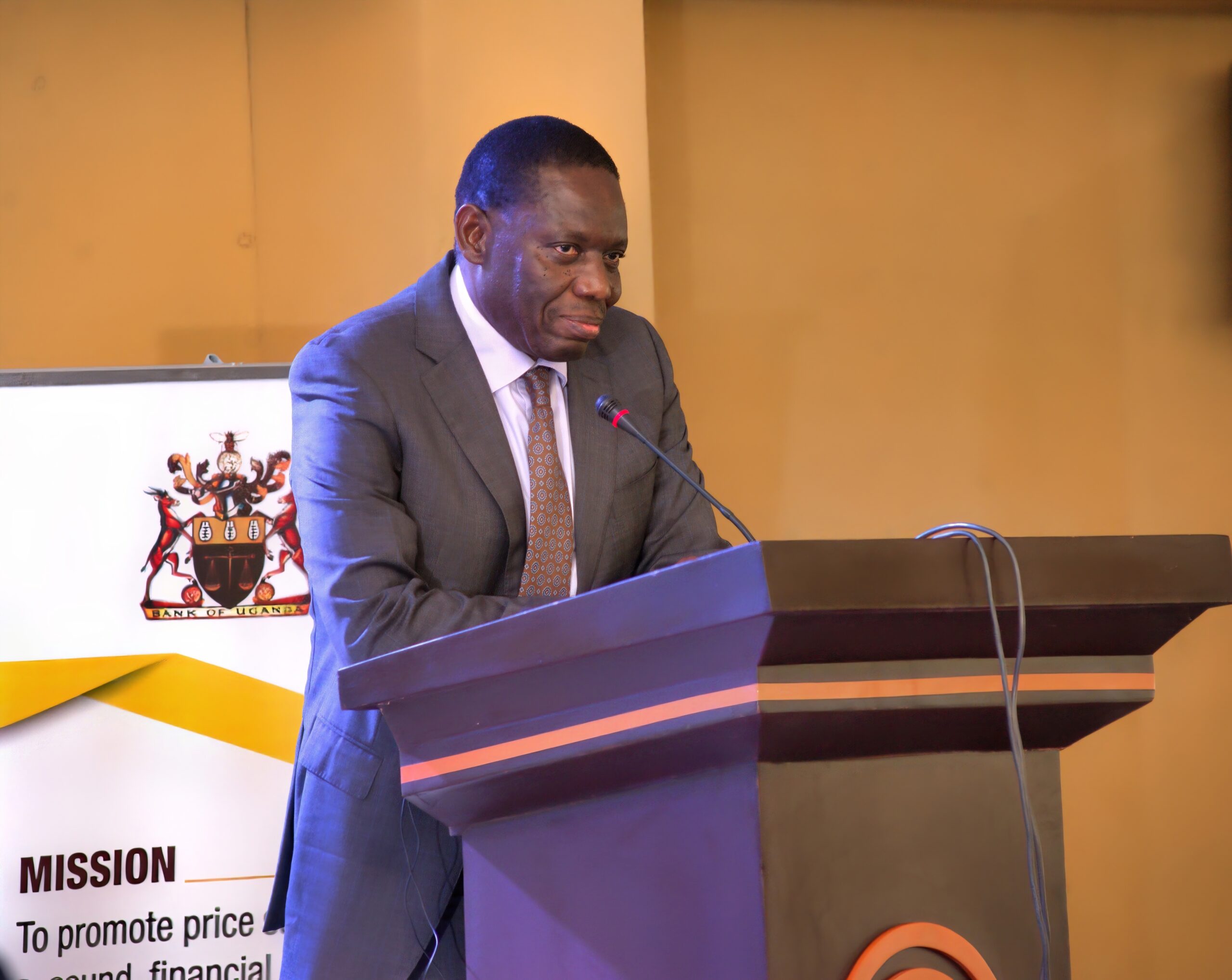
Why Now? Fiscal Necessity or Political Expediency?
Uganda’s 2026 general elections loom, a period historically marked by rampant public spending to secure voter loyalty.
The government faces budget shortfalls, particularly in priority sectors like health and infrastructure, yet past borrowing has been misallocated to non-essential expenditures (e.g., luxury vehicles for officials, questionable “security” budgets).
The private placement model (limited to Primary Dealer Banks and NSSF) suggests a deliberate avoidance of public scrutiny, raising suspicions that funds could be fast-tracked for politically sensitive uses.
A History of Debt-Fuelled Patronage
Uganda’s Public Finance Management Act (2015) was meant to ensure transparency, yet recurring Auditor General reports reveal:
Misuse of borrowed funds (e.g., diverted to non-budgeted projects).
Ghost projects inflating debt without tangible public benefit.
Preferential treatment for well-connected banks and investors in bond auctions.
This auction’s timing—just a year before elections—mirrors past trends where debt issuance spikes precede political spending sprees. The question isn’t just whether Uganda needs to borrow, but why now—and who truly benefits?
The Broader Implications
If this debt fuels political handouts rather than productive investment, Uganda risks:
Deepening fiscal deficits, leading to higher taxes or service cuts for ordinary citizens.
Eroding trust in BoU and the financial system, as debt becomes a tool for elite enrichment.
A vicious cycle of borrowing, where new bonds merely service old debts—akin to “borrowing from Peter to pay Paul.”
A Call for Transparency
The Ugandan public deserves clear answers:
What exact expenditures will these bonds finance?
Why exclude retail investors if the goal is broad-based development?
Where is the oversight to prevent another round of misappropriation?
Until these questions are addressed, the timing of this auction will remain a dark shadow over Uganda’s fiscal integrity—a shadow that grows longer with every election cycle.
“A debt taken in darkness will one day demand repayment in daylight.” And when that day comes, who will pay the price?
2. Private Placement vs. Public Auction: A Financial System Stacked Against the Common Ugandan
“When the granary is locked, only the rats with keys get to feast.”
The Bank of Uganda’s decision to restrict its UGX 2.7 trillion bond auction to Primary Dealer Banks and the National Social Security Fund (NSSF)—while shutting out retail investors—raises serious concerns about financial exclusion and elite capture of Uganda’s debt market. This private placement model, though legal under the Public Finance Management Act (2015), effectively reserves lucrative government securities for a privileged few, denying ordinary Ugandans a fair stake in their own economy.
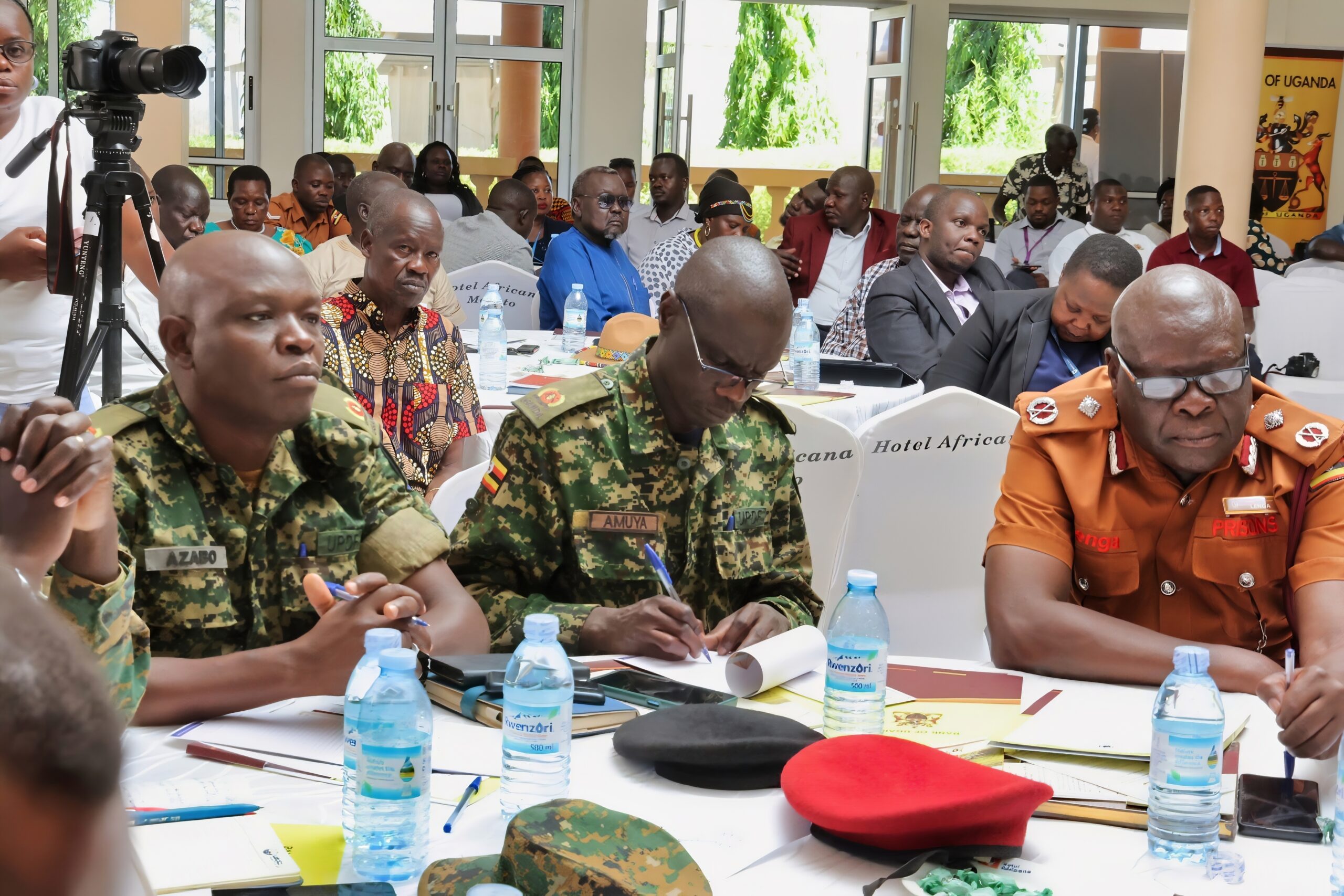
Why Does This Matter?
Reinforces Elite Financial Control
Primary Dealers are mostly large commercial banks (like Stanbic, Centenary, and DFCU) with deep ties to political and corporate elites.
The NSSF, while a public institution, has faced criticism for opaque investment decisions that prioritise government interests over workers’ retirement savings.
By limiting participation, the BoU ensures that wealthy institutions and politically connected actors profit from high-yield bonds, while small investors are left with riskier, lower-return options like mobile money savings or informal loans.
Undermines Fair Market Access
A truly competitive bond market would allow pension funds, cooperatives, and even individual investors to bid, ensuring better pricing through open competition.
Instead, this closed-door auction lets a handful of banks dictate terms, potentially leading to artificially suppressed yields (to the government’s benefit) or collusive bidding (to the dealers’ advantage).
Missed Opportunity for Financial Inclusion
Uganda has made strides in mobile money and digital finance, proving that retail investors can participate in formal markets if provided access.
Yet, the BoU continues to treat treasury bonds as a “big boys’ club”, ignoring the potential for small-scale investors to diversify their savings while supporting national development.
A History of Exclusionary Debt Practices
This is not an isolated incident. Past bond issuances have shown:
Retail investors sidelined: Even when allowed, complex processes and high minimum bids (often UGX 10M+) deter ordinary citizens.
NSSF used as a piggy bank: The Fund’s forced participation in government debt raises questions—are workers’ pensions being used to plug budget gaps rather than seek optimal returns?
Lack of transparency: Unlike public auctions, private placements lack open price discovery, making it easier for insiders to manipulate outcomes.
The Bigger Picture: Who Loses?
Small savers lose access to safe, high-yield investments, forcing them into risky alternatives.
The economy loses because broad-based participation would deepen capital markets and improve efficiency.
Public trust erodes when financial systems appear rigged for the powerful.
A Call for Reform
If Uganda is serious about inclusive growth, the BoU must:
✔ Open bond auctions to retail investors through digital platforms.
✔ Lower minimum bid thresholds to encourage wider participation.
✔ Ensure transparent pricing, so all players compete fairly.
“A market that serves only the mighty will one day starve the masses.” Uganda’s debt market should belong to all its citizens—not just a select few. Until then, these private placements will remain little more than state-sanctioned financial favouritism, deepening inequality in the guise of economic management.
3. Debt Sustainability Concerns: Uganda’s Precarious Balancing Act
“A man who borrows to pay his debts walks in circles, but a nation that does so marches toward ruin.”
Uganda’s latest bond issuance—a staggering UGX 2.7 trillion added to its domestic debt stock—comes at a time when the country’s debt sustainability is already on shaky ground. With the debt-to-GDP ratio at 53.4% (World Bank, 2024), Uganda is dangerously close to the 50% threshold that international financial institutions consider high risk for low-income economies. This raises urgent questions: Is Uganda borrowing out of necessity, or is it digging itself deeper into a debt trap?
Why This Debt Spike Is Alarming
Breaching IMF and World Bank Safety Limits
The IMF recommends that low-income countries keep debt below 50% of GDP to avoid repayment crises.
Uganda is already above this threshold, meaning every additional shilling borrowed increases default risk.
Debt Servicing Is Eating the Budget Alive
In the 2024/25 budget, debt repayment consumed over 30% of domestic revenue—more than health and education combined.
Adding UGX 2.7 trillion in bonds means more future taxes will go to creditors instead of hospitals, roads, or schools.
Currency Risk: A Silent Killer
While this is a domestic bond, Uganda also has external dollar-denominated debt.
If the Ugandan shilling weakens further (as it has for years), servicing foreign loans becomes even pricier, squeezing the budget further.
A Repeating Cycle of Borrowing to Repay
Uganda’s debt strategy increasingly resembles a Ponzi scheme:
New bonds are issued to refinance old ones, not to fund growth.
Interest rates (14-15%) are unsustainably high, meaning debt compounds rapidly.
Infrastructure projects tied to past loans (like roads and dams) remain unfinished, yet more borrowing continues.

“When you borrow from the future, the future always comes to collect.”
Who Bears the Burden? Ordinary Ugandans
Higher taxes: As debt service grows, so will VAT, fuel taxes, and social service cuts.
Weaker public services: Money diverted to bondholders means less for healthcare, education, and job creation.
Future generations locked into debt: The 20-year bonds mean today’s spending will be paid by tomorrow’s workers.
Is There a Way Out?
Yes, but it requires bold reforms:
✔ Slash wasteful expenditures (luxury government purchases, bloated security budgets).
✔ Boost tax compliance among elites instead of overtaxing the poor.
✔ Prioritise high-return investments (agriculture, industry) over vanity projects.
A Debt Crisis in Slow Motion?
Uganda is not yet in a full-blown debt crisis, but the warning signs are flashing red. Without fiscal discipline and transparent borrowing, the country risks following the path of Zambia and Ghana—nations now trapped in debt restructuring nightmares.
“A wise man repairs the roof before the rain, but a foolish one borrows more buckets when the storm comes.” Will Uganda’s leaders act before the downpour? Or will they keep borrowing until the ceiling collapses?
4. Withholding Tax Discrepancies: A Financial Sleight of Hand?
“When the taxman plays favourites, the scales of justice tip with gold.”
The Bank of Uganda’s latest bond auction features a glaring inconsistency: a 20% withholding tax on the 3-year bond, while longer-term bonds (5-year to 20-year) enjoy a lower 10% rate. At first glance, this appears technical—but in reality, it reeks of policy manipulation designed to steer investors toward specific instruments. The critical question: Is this discrepancy an innocent fiscal measure, or a deliberate ploy to benefit powerful institutional players at the expense of ordinary Ugandans?
Why the Tax Difference Raises Eyebrows
Short-Term Penalty, Long-Term Reward
The higher 20% tax on the 3-year bond effectively reduces its after-tax yield, making it less attractive compared to longer-dated bonds.
This disproportionately hurts retail investors, who typically prefer shorter maturities due to liquidity needs.
Meanwhile, big banks and the NSSF, with deeper pockets and long-term horizons, benefit from the tax break on 5-year+ bonds.
A Hidden Nudge Toward Long-Term Lock-In
By making short-term bonds less appealing, the government encourages locking in funds for longer periods—reducing refinancing risks but limiting flexibility for smaller investors.
This aligns with a pattern where Uganda’s debt management prioritises institutional stability over public access.
Lack of Clear Policy Justification
The BoU has not explained why a 3-year bond should be taxed twice as heavily as a 5-year one.
If the goal were revenue generation, the tax would apply uniformly. If it were investor incentive, the rates would be reversed (lower for short-term to attract liquidity).
The arbitrary split suggests a backroom deal favouring preferred players.
Who Wins and Who Loses?
✔ Winners:
Primary Dealer Banks (Stanbic, DFCU, etc.)—they can absorb the tax hit on short-term bonds and still profit.
NSSF—as a long-term investor, it enjoys the 10% rate, maximising returns (though whether these benefit workers remains questionable).
✖ Losers:
Retail investors—small savers and cooperatives face higher tax burdens if they seek liquidity.
Market fairness—the playing field is tilted toward elites, undermining trust in Uganda’s financial system.
A Familiar Pattern of Financial Engineering
This is not the first time Uganda’s fiscal policies have quietly favoured the powerful:
Selective tax exemptions for politically connected businesses.
NSSF’s forced investments in government projects with questionable returns.
Opaque bond allocations that sideline the public.
“When the rules change with the players, the game is no longer fair—it’s fixed.”
Broader Implications: A Tax Policy That Deepens Inequality
Retail investors discouraged → fewer Ugandans participate in formal markets.
Capital concentration in elite hands → wealth gap widens.
Eroded confidence in BoU’s neutrality → weaker financial system long-term.
A Call for Transparency and Equity
If this tax discrepancy is truly for economic reasons, the BoU must:
✔ Publicly justify the policy with clear, data-backed reasoning.
✔ Equalise rates to ensure fair competition.
✔ Encourage retail participation rather than sidelining them.
“A just tax system treats all investors alike, but a rigged one picks winners by decree.” Uganda’s bond market should serve the many—not just the moneyed few. Until then, these uneven tax policies will remain a quiet subsidy for the powerful, disguised as fiscal management.
5. Interest Rates: Sweet Returns or a Bitter Pill?
“When the honey is too sweet, wise men ask who poisoned the bees.”
Uganda’s latest treasury bond offering boasts eye-catching interest rates of 14.125% to 15.8%—far above regional peers like Kenya (~12%) and Tanzania (~10%). On the surface, this appears to be a golden opportunity for investors. But beneath the glossy returns lies a troubling question: Are these rates a genuine reflection of market confidence, or a desperate government luring buyers amid dwindling trust?
Why Such High Rates? Two Possible Explanations
The Optimistic View: Rewarding Risk-Takers
Uganda could be pricing bonds commensurate with its economic growth potential, offering higher yields to attract capital for development.
Some investors may see value in locking in long-term high returns before rates eventually fall.
The Cynical Reality: A Distress Signal
High rates often signal higher risk. If Uganda’s fiscal health were truly robust, it wouldn’t need to pay such premiums.
The fact that Kenya and Tanzania (with similar credit ratings) borrow much cheaper suggests Uganda is struggling to inspire lender confidence.
This could indicate:
Fears of shilling depreciation (eroding real returns for investors).
Suspicion of future debt sustainability (will Uganda repay, or will it restructure?).
Low demand for Ugandan debt, forcing the government to “sweeten the deal.”
Who Really Benefits?
✔ Banks & Institutional Investors – They lock in high-risk-adjusted returns, especially since they get tax breaks on longer-term bonds.
✔ The Government (Short-Term) – It secures funding, even if at a punishing cost.
✖ Ordinary Ugandans (Long-Term) – Every percentage point above fair market rates adds billions to future debt burdens, meaning:
Higher taxes tomorrow to pay for today’s expensive borrowing.
Less money for schools, hospitals, and roads as debt servicing swallows the budget.
A Historical Pattern of Costly Borrowing
This isn’t new. Uganda has long paid a “trust premium” on its debt, due to:
Past fiscal mismanagement (e.g., diverted loans, stalled projects).
Weak revenue collection, forcing excessive borrowing.
Political risk scaring away cheaper foreign investors.
“A borrower who pays too much is either a fool—or has no other choice.”
The Fatal Flaw: Debt Begets More Debt
Today’s 15% bonds mean future refinancing will be even more expensive.
If global rates rise further, Uganda could face a debt spiral, where new borrowing just services old loans.
Ghana and Zambia walked this path—now they’re in IMF debt restructuring.
A False Bargain?
High-interest rates might fill government coffers today, but they mortgage Uganda’s future. If this borrowing isn’t paired with:
✔ Strict fiscal discipline (cutting wasteful spending),
✔ Transparent project execution (no more ghost infrastructure),
✔ Economic reforms to boost growth and revenue,
—then these “attractive” rates will soon reveal themselves as a trap.
“The farmer who borrows at harvest will starve at planting.” Will Uganda’s leaders learn before the debt collectors come knocking?
6. NSSF’s Role: Guardians of Pensions or ATMs for the State?
“When the shepherd steals from the flock, who will guard the sheep?”
The National Social Security Fund (NSSF), Uganda’s largest pool of retirement savings, is once again being tapped to buy government bonds—this time to the tune of hundreds of billions in the BoU’s latest auction. While investing in sovereign debt is standard practice globally, Uganda’s history raises a red flag: Is the NSSF acting in the best interest of pensioners, or has it become a slush fund for political financing?
Why This Is Controversial
1. A Pattern of Politically Motivated Investments
The NSSF is mandated to seek optimal returns for its 2 million+ members. Yet, it is frequently strong-armed into risky government projects:
Buying bonds at below-market rates (reducing member yields).
Financing state-owned enterprises (like Uganda Airlines) with questionable profitability.
Investing in “priority” infrastructure that benefits political elites more than pensioners.
Example: The NSSF’s UGX 1.3 trillion investment in the Kampala Flyovers—a project mired in delays and cost overruns.
2. Conflict of Interest: Who Really Calls the Shots?
The NSSF is legally independent, but its board is appointed by the Minister of Finance, blurring the line between sound investment and political patronage.
When the government needs cash, the NSSF is often the first lender of resort—raising concerns of coercion over prudent financial management.
3. The Risk to Workers’ Lifelong Savings
If Uganda’s debt becomes unsustainable (as the 53.4% debt-to-GDP ratio suggests), the NSSF could face:
Bond defaults or restructuring (lower returns than promised).
Shilling depreciation (eroding real value of fixed-income investments).
Unlike private funds, which diversify globally, the NSSF is overexposed to Uganda’s risky fiscal environment.
The Bigger Picture: Pension Funds as Political Tools
This isn’t unique to Uganda—Argentina and Zimbabwe have similarly looted pension systems to plug budget gaps, with disastrous results. But the adage holds:
“When you mix politics with pensions, the poor retire poorer.”
Who Wins, Who Loses?
✔ Government Wins – Gets cheap financing without public scrutiny.
✔ Connected Elites Win – Their projects get funded, regardless of viability.
✖ Workers Lose – Their retirement security is gambled on political whims.
✖ Economy Loses – Productive investments are sidelined for fiscal stopgaps.
What Should Be Done?
For the NSSF to truly protect savers, Uganda must:
✔ Legally insulate it from political interference (like Kenya’s RBA).
✔ Mandate strict diversification (no more than 30% in government paper).
✔ Enforce transparency—every investment must be publicly justified.
A Retirement Fund or a Piggy Bank?
The NSSF should be a fortress for workers’ futures—not a backdoor for reckless borrowing. If Uganda keeps treating pensions as a political slush fund, the consequences will be dire:
Massive old-age poverty when returns fail to materialize.
A collapse in public trust in formal savings systems.

“A nation that steals from its pensioners today will beg from its children tomorrow.” Will Uganda’s leaders change course—or will they keep plundering the future to pay for the present?
7. Inflation Control Claims: Statistical Serenity or Economic Mirage?
“When the river runs dry, the wise question the rainmaker’s promises.”
The Bank of Uganda (BoU) proudly declares inflation “under control” at 3.2% (April 2025), a figure that—on paper—suggests remarkable price stability. Yet, ask any market vendor, taxi driver, or household shopper, and the story changes: food prices yo-yo unpredictably, fuel costs swing wildly, and the shilling’s purchasing power feels increasingly feeble. This glaring disconnect begs the question: Are Uganda’s inflation figures a true reflection of economic reality, or a carefully massaged statistic to lubricate more borrowing?
Why the Official Numbers Don’t Match Lived Experience
The Basket of Goods Illusion
Inflation is calculated using a fixed “basket” of goods, which may not reflect what ordinary Ugandans actually buy.
Staple foods like matooke, posho, and beans have seen double-digit price surges, yet their weight in official calculations may be understated in favour of less volatile items.
Fuel and Transport: The Hidden Inflation Engine
While the BoU claims inflation is low, fuel prices remain highly unstable, directly impacting transport, food distribution, and manufacturing costs.
Many Ugandans spend 30-50% of their income on food and transport—precisely the sectors where prices are least controlled.
Exchange Rate Pressures (The Silent Tax)
The Ugandan shilling has lost ~5% annually against the dollar since 2020, making imports (fuel, machinery, medicines) more expensive.
Yet, currency depreciation’s full impact may not be fully captured in inflation figures.
A Suspiciously Timely Statistic
The BoU’s 3.2% inflation claim conveniently supports its bond sales pitch:
Low inflation = Stable economy = “Safe” investment in government debt.
But if inflation were actually higher, those 14-15% bond yields suddenly look less attractive in real terms.
“Numbers never lie—but liars always number.”
Historical Precedent: When Governments ‘Manage’ Inflation Data
Argentina famously manipulated inflation stats for years before its economy collapsed.
Zambia underreported inflation ahead of the debt crises.
Could Uganda be softening the figures to keep borrowing costs low?
Who Benefits from the ‘Low Inflation’ Narrative?
✔ The Government – Can borrow more at slightly lower rates.
✔ Bond Investors – Get reassured by “stable” macroeconomic indicators.
✖ Ordinary Ugandans – Face real-world price hikes while officials celebrate phantom stability.
✖ Credibility of Institutions – If trust in BoU’s data erodes, future policy decisions lose legitimacy.
CTrust, but Verify
For Uganda’s inflation claims to hold water, the BoU must:
✔ Publish a detailed, revised goods basket reflecting actual consumption patterns.
✔ Acknowledge volatile sub-sectors (food, fuel) separately in reports.
✔ Allow independent audits of its inflation methodology.
“A man who cooks the books may eat today—but starve tomorrow when the truth catches up.” If Uganda’s inflation figures are indeed being polished to suit bond sales, the eventual reckoning could be brutal—shattering confidence in both the shilling and the sovereign’s word.
The question remains: Is inflation really at 3.2%, or is this another case of economic theatre—where the audience pays the price of admission?
8. Selective Omission of Default Risks: The Debt Elephant in the Room
“A man who forgets his debts today will be enslaved by them tomorrow.”
The Bank of Uganda’s UGX 2.7 trillion bond auction announcement reads like a carefully curated sales pitch—boasting high yields, tax incentives, and “stable” macroeconomic conditions. Yet, one critical risk goes conspicuously unmentioned: Uganda’s history of debt distress, including its 2023 Eurobond repayment struggles, where the government scrambled to refinance looming obligations. This glaring omission begs the question: Is the BoU being transparent with investors, or is it glossing over past troubles to secure fresh borrowing?

Why Default Risk Should Be Front and Centre
1. Uganda’s Recent Debt Scares
2023 Eurobond Near-Miss: Uganda faced acute dollar shortages, forcing last-minute negotiations to avoid default on its $750 million Eurobond.
Rising Debt-to-GDP (53.4%): Already above the IMF’s recommended 50% threshold for low-income countries.
Shilling Depreciation Risk: A weaker currency makes foreign-denominated debt more expensive—yet domestic bonds assume stable exchange rates.
2. The Art of Selective Disclosure
The auction notice highlights strengths (low inflation, high yields) but sidesteps vulnerabilities:
No mention of debt restructuring risks (like Zambia and Ghana).
No discussion of contingent liabilities (hidden government guarantees).
No warning that past repayments required painful fiscal adjustments (tax hikes, spending cuts).
“A borrower who only speaks of sunshine is hiding the coming storm.”
3. Who Benefits from the Silence?
✔ The Government – Sells bonds smoothly without spooking investors.
✔ Primary Dealers – Earn fees on bond placements, regardless of future risks.
✖ Retail Investors – May buy bonds without understanding default potential.
✖ Future Generations – Inherit debt obligations from today’s reckless optimism.
The Bigger Picture: A Pattern of Debt Denial
This isn’t an isolated case. Uganda’s debt narrative has long suffered from:
Overly rosy projections (growth assumptions that never materialise).
Underplaying refinancing risks (assuming future borrowing will always be easy).
Ignoring global shocks (like rising US interest rates, which make debt costlier).
Ghana made the same mistakes—now it’s in IMF debt restructuring.
A Call for Honest Debt Dialogue
If Uganda wants sustainable borrowing, the BoU must:
✔ Disclose default risks transparently in bond documents.
✔ Stress-test debt scenarios (e.g., shilling crashes, growth slows).
✔ Diversify funding (reduce reliance on expensive domestic bonds).
“A debt built on silence will one day scream in crisis.” Will Uganda confront its debt realities now—or wait until creditors come knocking? The choice will define its economic future.
9. The 20-Year Bond: Mortgaging Uganda’s Future
“A father who eats his children’s inheritance leaves them nothing but hunger.”
The UGX 430 billion, 20-year bond in Uganda’s latest auction—maturing in 2043—isn’t just another financial instrument. It is a generational bet, locking today’s spending into tomorrow’s tax burden. The critical question isn’t whether Uganda needs infrastructure financing, but rather: Will these borrowed billions truly build roads and hospitals—or will they vanish into the black hole of political patronage and wasteful expenditure?
Why This Bond is a Fiscal Time Bomb
1. The Burden on Unborn Taxpayers
The youth of 2043—today’s primary school children—will be forced to repay this debt.
If mismanaged, this could mean higher taxes, fewer public services, and a weaker economy for them.
2. Uganda’s Track Record with Long-Term Debt
Past long-term loans (like those for Karuma Dam) have been plagued by:
Delays (projects take years longer than promised).
Cost overruns (billions lost to inefficiency and corruption).
Questionable economic returns (will these investments ever pay for themselves?).
“A loan taken for a bridge that is never built is theft from those who must repay it.”
3. The Risk of “Zombie Debt”
If Uganda’s economy doesn’t grow fast enough, this bond could become “zombie debt”—serviced but never truly repaid, eating up future budgets.
Ghana’s 2022 debt crisis began with similar long-term borrowing that became unsustainable.
Where Will the Money Really Go?
The Best-Case Scenario
Funds are strictly allocated to infrastructure (roads, power grids, hospitals).
Projects are completed on time and within budget.
Economic growth outpaces debt costs, making repayment manageable.
The Likely Reality
Leakage: A portion disappears into inflated contracts, kickbacks, and bureaucracy.
Misallocation: Some funds are diverted to politically expedient (but economically useless) projects.
Poor oversight: Weak accountability means no one is held responsible for waste.
“When money is borrowed in darkness, it is always spent in shadows.”
Who Wins and Who Loses?
✔ Today’s Politicians & Contractors – Immediate access to billions, with no personal liability.
✔ Banks & Institutional Investors – Secure long-term returns, guaranteed by future taxpayers.
✖ Future Ugandans – Inherit debt without necessarily inheriting development.
✖ The Economy – If funds are wasted, growth stagnates, making repayment even harder.
A Path to Responsible Borrowing
To ensure this bond benefits rather than burdens Uganda, the government must:
✔ Legally ring-fence proceeds for auditable, high-impact projects.
✔ Enforce strict anti-corruption measures on all funded contracts.
✔ Publish real-time expenditure reports, so citizens can track the use of funds.
A Debt That Must Deliver
Uganda cannot afford to repeat the mistakes of the past—borrowing heavily only to squander the funds. If this 20-year bond is to be anything more than a debt trap, every shilling must be invested transparently and productively.
“A nation that borrows wisely builds for its children; a nation that borrows recklessly steals from them.”
Will Uganda’s leaders choose legacy over looting? The next two decades will tell.
10. Lack of Public Consultation: A Democracy in the Shadows
“When the axe came into the forest, the trees said: ‘The handle is one of us.’”
The Public Finance Management Act (2015) was meant to herald a new era of transparency and accountability in Uganda’s economic governance. Yet, as the Bank of Uganda prepares to auction UGX 2.7 trillion in bonds, the public—whose taxes will ultimately repay this debt—has been given no meaningful say in the decision. This raises a fundamental question: Are Ugandans being deliberately sidelined in debt decisions that will shape their economic future?
Why Public Consultation Matters—And Why It’s Missing
1. The Law vs. Reality
The PFMA 2015 requires public participation in fiscal matters, yet bond issuances are treated as technical, behind-closed-doors operations.
No town halls, no citizen feedback mechanisms, no parliamentary debates—just a dry press release announcing the auction.
2. Who Decides? A Small Circle of Elites
The Ministry of Finance, BoU, and Primary Dealers negotiate terms without input from:
Civil society (e.g., tax advocacy groups).
Local governments (who bear the brunt of service cuts when debt repayments bite).
Ordinary citizens (whose pensions and taxes are on the line).
“A debt taken without the people’s voice is a tax imposed without their consent.”
3. The Consequences of Exclusion
Misallocation risk: Without scrutiny, funds may flow to pet projects rather than national priorities.
Accountability vacuum: When borrowing goes wrong (as with Uganda Airlines’ debt), no one is held responsible.
Erosion of trust: Citizens grow cynical, seeing debt as a tool for elite enrichment rather than development.
A Pattern of Deliberate Opacity
This isn’t an isolated case. Uganda’s debt process has long been shrouded in secrecy:
Eurobond terms were only revealed after signing.
Loan agreements with China remain classified.
Parliament rubber-stamps borrowing requests with minimal debate.
“Sunlight is the best disinfectant—but Uganda’s debts are struck by candlelight.”
Who Benefits from the Silence?
✔ The Executive – Borrows freely without pesky questions.
✔ Connected Banks & Contractors – Profit from opaque deals.
✖ The Public – Bears the cost without understanding why.
✖ Local Businesses – Face higher interest rates as crowding-out occurs.
The Way Forward: Demanding Transparency
For Uganda’s debt to serve its people, the process must:
✔ Hold pre-borrowing public forums (as Kenya does).
✔ Publish detailed project feasibility studies before taking loans.
✔ Allow parliamentary committees to scrutinize terms before approval.
A Republic, Not a Loan Shark’s Den
Uganda’s Constitution promises “power to the people”—yet in critical fiscal decisions, the people are treated as bystanders. If this bond issuance proceeds without genuine public engagement, it will reinforce a dangerous precedent: that debt is imposed, not debated.
“A nation that borrows in secret will one day answer in crisis.”
Will Uganda’s leaders open the books—or will they keep its citizens in the dark? The choice will define whether this is a democracy or a debtors’ colony.
11. Statistical Manipulation in Debt Reporting: The Hidden Iceberg of Uganda’s Debt Crisis
“When the fisherman’s net only counts the big fish, the true catch remains a mystery.”
The Ugandan government proudly declares its debt-to-GDP ratio at 53.4%, presenting it as manageable. However, this figure may be a gross underestimation because it systematically excludes contingent liabilities—hidden obligations like public-private partnership (PPP) debts, state enterprise bailouts, and unpaid contractor bills. This raises a critical question: Is Uganda’s real debt burden far heavier than officially admitted?
Why Uganda’s Debt Figures Don’t Tell the Full Story
1. The Illusion of “Official Debt”
The 53.4% debt-to-GDP ratio only covers direct government borrowing (treasury bonds, World Bank loans, etc.).
It excludes:
PPP liabilities (e.g., the Kampala-Entebbe Expressway, which taxpayers may eventually shoulder).
Unpaid bills to contractors (delayed payments that distort fiscal health).
State-owned enterprise (SOE) debts (Uganda Airlines, Uganda Electricity Generation Company Ltd).
“A man who only counts the coins in his pocket forgets the debts on his tab.”
2. The PPP Trap: Debt in Disguise
Many infrastructure projects are structured as PPPs, where private firms finance construction but the government guarantees repayment.
These do not appear on the national balance sheet—until the state is forced to step in (as with Kenya’s SGR).
Uganda has over UGX 10 trillion in PPP commitments (IMF, 2024), none fully reflected in debt reports.
3. The “Fiscal Sinkhole” of SOEs
Uganda Airlines (UGX 1.3 trillion in losses), UMEME’s pending compensation claims, and other SOEs are, in fact, public debts—yet treated as “commercial” obligations.
When these entities fail (as many do), the taxpayer foots the bill—but only after the crisis hits.
Who Benefits from the Debt Shell Game?
✔ The Government – Keeps its debt ratios “respectable” for lenders like the IMF.
✔ Private Partners in PPPs – Get taxpayer-backed profits without the debt showing up officially.
✖ Citizens – Face future tax bombs when hidden debts come due.
✖ Investors – Are misled about Uganda’s true fiscal health.
The Danger of Cooking the Books
Ghana’s 2022 debt crisis began similarly—hidden energy sector debts exploded, forcing a brutal IMF bailout.
Zambia collapsed under undisclosed SOE liabilities, leading to default.
Will Uganda be next?
“A debt delayed is not a debt avoided—only a crisis postponed.”
The Way Forward: Demanding Full Disclosure
To prevent a fiscal time bomb, Uganda must:
✔ Include ALL contingent liabilities in official debt reports.
✔ Subject PPP agreements to parliamentary scrutiny before signing.
✔ Audit SOEs annually to expose hidden burdens.
The Reckoning Will Come
Uganda cannot indefinitely pretend its debts don’t exist. Either the government comes clean on its true obligations now—or it will face a devastating wake-up call later when lenders stop believing the numbers.
“A nation that hides its debts today will drown in them tomorrow.”
Will Uganda choose transparency—or will it keep digging a fiscal grave in the shadows? The answer will determine whether this generation passes on prosperity or bankruptcy.
12. Political Misuse of Sovereign Debt: Feeding the Beast of Patronage
“When the goat is entrusted to guard the millet, only the foolish expect a full granary come harvest.”
Uganda’s history of sovereign debt is littered with questionable expenditures—luxury vehicles for officials, inflated contracts for allies, and “ghost projects” that vanish after disbursement. As the government prepares to borrow UGX 2.7 trillion in its latest bond auction, citizens have every right to ask: Will these funds actually build roads and hospitals, or will they be siphoned into the bottomless pit of political patronage?
The Ugly Track Record: Debt-Funded Extravagance
1. Luxury Over Necessity
2021 Auditor General Report: UGX 48 billion spent on top-of-the-range vehicles for officials, even as hospitals lacked basic drugs.
2023 Infrastructure Scandal: UGX 200 billion allocated for “road repairs” in politically connected districts—with little to show for it.
“A government that borrows to buy SUVs while clinics lack paracetamol has lost its moral ledger.”
2. The “Priority Project” Mirage
Many past bond proceeds were channelled into pet projects with dubious economic value, such as:
Presidential initiatives with no clear budget oversight.
Inflated tenders awarded to cronies (e.g., the Lubowa Hospital scandal).
Meanwhile, critical needs—like fixing Kampala’s crippling traffic or rural water access—remain chronically underfunded.
3. Debt as a Political Slush Fund
Ahead of elections, borrowing mysteriously spikes—not for schools or power grids, but for:
“Community development funds” (read: vote-buying schemes).
“Security enhancements” (often opaque procurements).
Quick-disbursing projects that create photo ops but no lasting value.
Will This Auction Be Different? The Red Flags
Private Placement Structure
By restricting bidding to banks and NSSF (instead of open auction), the process lacks transparency, making it easier to steer funds to preferred players.
Weak Safeguards Against Misuse
No independent tracking mechanism for bond proceeds.
No post-disbursement audits mandated in the terms.
The 20-Year Bond: A Perfect Patronage Vehicle
A UGX 430 billion, 20-year bond means today’s leaders spend freely, while future administrations (and taxpayers) foot the bill.
“A debt taken today for a feast is a famine passed to the next generation.”
Who Wins, Who Loses?
✔ Political Elites & Their Cronies – Access billions with no personal liability.
✔ Primary Dealer Banks – Earn fees on bond placements, regardless of how funds are used.
✖ Ordinary Ugandans – Suffer service cuts when debt repayments drain budgets.
✖ The Economy – Productive investment is crowded out by wasteful spending.
Breaking the Cycle: How to Ensure Debt Serves the People
Legally Bind Proceeds to Auditable Projects
Each bond issuance should be linked to specific, publicly vetted infrastructure.
Real-Time Expenditure Tracking
A live online portal showing exactly where funds go (as Kenya does for Eurobond projects).
Stiff Penalties for Misuse
Jail time for officials who divert debt into luxury spending.
A Test of National Integrity
Uganda stands at a crossroads:
Will this UGX 2.7 trillion uplift the nation, or just the bank accounts of a connected few?
Will leaders honour the public trust, or treat sovereign debt as a personal credit line?
“A country that borrows for thieves will repay with tears.”
The choice is Uganda’s—but the consequences will belong to all.
13. Emotional Appeals: The Illusion of “Stable Returns” in a Shrinking Economy
“When the riverbank promises safety but crumbles beneath your feet, even the strongest swimmer will drown.”
The Bank of Uganda (BoU) markets its treasury bonds as “safe” and “stable” investments, painting a picture of reliable returns for institutional and retail investors alike. Yet, beneath this reassuring rhetoric lies a harsher truth: the Ugandan shilling has lost an average of 6% of its value annually against the US dollar since 2020, silently eroding the real value of these so-called “secure” investments. This raises a critical question: Are these bonds truly a safe haven, or is the BoU selling a financial mirage?
The Harsh Reality Behind the “Stable Returns” Narrative
1. The Silent Thief: Currency Depreciation
Even if a bond yields 15% annually, a 6% shilling depreciation means the real return for investors holding dollar-equivalent assets drops to just 9%.
For long-term bonds (e.g., 20-year maturities), this compounds into massive value loss—what looks profitable today could be worth far less by redemption.
“A high return in a falling currency is like fetching water in a basket—you’ll never truly fill your hands.”
2. Inflation’s Hidden Bite
The BoU claims inflation is “under control” at 3.2%, but food and fuel prices (which dominate household budgets) have risen much faster.
If real inflation (felt by ordinary Ugandans) is closer to 8-10%, then even a 15% bond yield only delivers 5-7% real returns—hardly the “stable” promise advertised.
3. Who Really Benefits?
✔ Primary Dealer Banks – They hedge against currency risk or shift assets into dollars, protecting their profits.
✔ The Government – It secures cheap financing today, pushing the exchange rate risk onto investors.
✖ Retail Investors & Pensioners – Those without dollar hedges see their savings quietly devalued.
✖ NSSF Contributors – Workers’ retirement funds lose purchasing power over time.
The Bigger Picture: A False Sense of Security
This is not unique to Uganda—Nigeria and Zambia have seen similar bond market illusions, where high nominal yields masked eroding real returns. But the adage holds:
“When the shepherd cries ‘safe pastures’ but leads the flock to a cliff, only the blind follow without question.”
What Should Investors Really Consider?
Real Returns, Not Just Nominal Yields
Always subtract inflation + currency loss to gauge true profitability.
Demand Currency-Indexed Bonds
Why doesn’t Uganda offer dollar-linked bonds (like Kenya’s infrastructure bonds) to protect investors?
Scrutinise the BoU’s Assumptions
Is 3.2% inflation realistic, or a statistical sleight of hand to lure buyers?
A Market Built on Trust—Or Tricks?
The BoU’s “stable returns” narrative relies on selective truths, ignoring the currency and inflation risks that quietly devour wealth. If this bond market is to be truly sustainable, Uganda must:
✔ Offer inflation-adjusted bonds to protect savers.
✔ Be transparent about forex risks in its prospectuses.
✔ Stop overstating macroeconomic stability while the shilling bleeds value.
“A banker’s promise is only as good as the currency it’s printed on.”
Will Uganda’s leaders ensure these bonds are a bridge to prosperity—or just another financial trapdoor for the unwary? The answer will determine whether trust in the shilling—and the institutions behind it—survives.
14. Conflict of Interest: The Incestuous Ties Between Primary Dealers and Power
“When the fox guards the henhouse, only the farmer feigns surprise at dawn’s empty coop.”
In Uganda’s bond market, a troubling pattern persists: Primary Dealer Banks—those authorised to buy and distribute government securities—often have deep ties to the ruling political class. This raises serious concerns: Is the treasury bond auction system merely a disguised mechanism for political financing, where connected banks profit handsomely while ordinary citizens bear the long-term costs?
The Uncomfortable Reality: Banks, Bonds, and Political Patronage
1. The Primary Dealer Club – A Closed Shop for the Connected
Uganda’s Primary Dealers include banks like Stanbic, Centenary, and DFCU—all of which have, at various times, been linked to senior government officials through shareholdings, board appointments, or lucrative state contracts.
These banks enjoy exclusive access to bond auctions, earning fees on placements while retail investors are locked out.
“A market where only the king’s men may trade is not a market—it’s a cartel.”
2. The Suspicious Cycle of Debt and Reward
Step 1: The government borrows heavily via bonds.
Step 2: Primary Dealers (many with political links) buy these bonds, earning risk-free commissions.
Step 3: The same banks lend back to the state at higher rates in other forms (e.g., syndicated loans).
Result: A self-enriching loop where elites profit at every turn, while taxpayers foot the bill.
3. Case in Point: The NSSF’s Forced Participation
The National Social Security Fund (NSSF), a major bond buyer, is effectively strong-armed into propping up government borrowing, even when better investment options exist.
Meanwhile, workers’ pension contributions—meant for secure, high-return investments—are funnelled into politically convenient but economically dubious ventures.
Who Benefits? Follow the Money
✔ Political Elites – Their affiliated banks earn fees, interest, and influence.
✔ Primary Dealers – Enjoy low-risk profits with state backing.
✖ Ordinary Ugandans – Suffer via:
Higher future taxes (to repay this debt).
Crowded-out credit (banks prefer lending to the state over businesses).
Eroded trust in the financial system.
The Global Parallels – When Debt Becomes a Political Tool
Kenya’s Eurobond scandals showed how elites can exploit sovereign borrowing.
Zambia’s debt crisis revealed how opaque deals with connected banks can bankrupt a nation.
Is Uganda on the same path?
“A debt arranged in shadows is a noose woven in silence.”
Breaking the Cycle: How to Restore Integrity
Independent Oversight of Primary Dealers
Bar banks with political conflicts from participating.
Open Auctions to All Investors
End the monopoly of a few banks; allow pension funds, cooperatives, and retail buyers to compete.
Transparent Ownership Disclosures
Force banks to declare all politically exposed shareholders.
A Financial System or a Feeding Trough?
Uganda’s bond market risks becoming a private wealth scheme for the powerful, disguised as public finance. If this collusion between banks and the state continues unchecked, the consequences will be dire:
A bankrupted treasury (as debt spirals).
A disenfranchised citizenry (locked out of their own economy).
A legacy of plunder (where today’s elites rob tomorrow’s children).
“When the same hands both lend and rule, the people’s purse is never full.”
Will Uganda’s financial system serve the nation—or just the narrow interests of those who already feast at its table? The answer will determine whether this is a country governed for the many, or looted by the few.
15. Comparison with Regional Bond Markets: Uganda’s High Rates Tell a Troubling Story
“When one shop sells at half the price, wise buyers ask what’s wrong with the costly one.”
While Kenya and Tanzania issue treasury bonds at relatively modest yields (~12% and ~10% respectively), Uganda is forced to dangle 14-15% returns to attract buyers. This glaring disparity begs the question: Why must Uganda pay such a premium? Does it reflect genuine economic potential—or does it betray a deeper crisis of investor confidence?
Why Uganda’s High Bond Rates Should Raise Eyebrows
1. The Confidence Discount: Paying More to Compensate for Distrust
Investors demand higher returns from Uganda because they perceive greater risk—whether from:
Political instability (e.g., unpredictable policy shifts).
Weak shilling performance (consistent depreciation).
Debt sustainability fears (already at 53.4% of GDP).
“A high-interest rate is the price of distrust.”
2. Transparency Matters: Kenya and Tanzania’s Advantage
Kenya:
Publishes detailed bond prospectuses with clear use-of-proceeds.
Allows wider investor participation, including retail buyers.
Tanzania:
Stronger fiscal discipline keeps debt manageable.
Fewer reports of diverted funds compared to Uganda.
Uganda, meanwhile, operates a more opaque system, favouring private placements over open auctions.
3. The Ugandan Shilling’s Erosion
With the shilling losing ~6% annually against the dollar, foreign investors require higher yields to offset currency risk.
Kenya’s and Tanzania’s currencies have been more stable, allowing lower rates.
Who Pays for Uganda’s High Rates?
✔ Foreign & Institutional Investors – They pocket the extra yield, often hedging against currency risk.
✔ Political Elites – They get quick cash, kicking repayment pains down the road.
✖ Ordinary Ugandans – They suffer via:
Higher future taxes (to service expensive debt).
Reduced public spending (as debt eats the budget).
A weaker economy (high rates crowd out private borrowing).
The Bigger Picture: A Vicious Cycle
High rates → More debt stress → Even higher future rates.
Ghana and Zambia followed this path—now they’re in IMF debt restructuring.
Will Uganda be next?
“A nation that borrows in desperation repays in ruin.”
The Way Forward: Restoring Confidence
To lower borrowing costs sustainably, Uganda must:
✔ Improve Fiscal Transparency – Show exactly how bond proceeds are used.
✔ Stabilise the Shilling – Tame inflation and boost forex reserves.
✔ Curb Political Risk – Stop erratic policies that scare investors.
A Market Punishing Mistrust
Uganda’s sky-high bond rates aren’t a badge of strength—they’re a warning sign. Until the government addresses the real roots of investor scepticism, it will keep paying a premium that ultimately cripples its people.
“When trust is cheap, money is cheap. But when trust must be bought, the price is always too high.”
Will Uganda choose reform—or keep mortgaging its future at punishing rates? The answer will define its economic fate.
16. The Role of External Audits: A Broken Shield Against Fiscal Abuse
“When the watchdog dines with the thief, the granary empties in silence.”
Uganda’s Auditor General (AG) reports have become an annual ritual of damning revelations—billions of borrowed funds misused, diverted, or outright stolen. Yet, despite these findings, little changes. As the government prepares to borrow UGX 2.7 trillion in its latest bond auction, a critical question looms: Will this new debt face the same accountability black hole, or will Uganda finally break the cycle of reckless borrowing with zero consequences?
Why Uganda’s Audit System Fails to Protect Public Funds
1. A History of Flagged Abuse—With No Fixes
2023 AG Report: UGX 1.8 trillion in unauthorised expenditures, including:
Ghost projects (funds disbursed for roads, schools, and hospitals that don’t exist).
Inflated contracts (connected suppliers charging triple market rates).
Off-budget spending (money moved without parliamentary approval).
Yet, no high-profile prosecutions follow—just a theatrical “we are investigating” response.
“A report without consequences is just expensive stationery.”
2. The Bond Market’s Accountability Vacuum
Unlike Kenya, where bond proceeds are tracked publicly, Uganda’s borrowing operates in deliberate obscurity:
No real-time expenditure monitoring for bond-funded projects.
No mandatory post-issuance audits to confirm funds were used as pledged.
No penalties for ministries that divert debt into luxury spending.
3. Who Benefits from Weak Oversight?
✔ Corrupt Officials – Steal with impunity, knowing audits are just for show.
✔ Complicit Banks – Earn fees on bond sales, regardless of misuse.
✖ Taxpayers – Foot the bill for repaying stolen money.
✖ Future Generations – Inherit debt without the promised development.
The Global Lesson: When Audits Are Ignored, Crises Follow
Malawi’s “Cashgate” scandal showed how fake audits enable looting.
Zambia’s debt disaster proved that unchecked borrowing leads to default.
Uganda is on the same path—unless it reforms.
“A debt taken without oversight is a theft pre-approved.”
How to Fix Uganda’s Broken Accountability System
Make Audits Matter
Prosecute AG findings—jail those who misuse bond proceeds.
Real-Time Tracking of Bond Spending
Public dashboards (like Kenya’s Eurobond tracker) showing where funds go.
Independent Oversight
A bond expenditure auditor outside government control.
Will This Time Be Different?
Uganda’s leaders face a choice:
Continue the charade—borrow recklessly, ignore audits, and let elites plunder.
Or enforce accountability—ensuring this UGX 2.7 trillion actually builds roads, not villas.
“A nation that audits in ink but acts in pencil is writing its own obituary.”
The bonds themselves aren’t the problem—it’s the system that lets them be abused. Will Uganda change, or will its people keep paying for a theft they never agreed to?
17. Erosion of Social Trust: The Looming Spectre of Capital Flight and Dollarisation
“When the well is poisoned, even the thirsty will flee.”
Uganda’s persistent debt mismanagement, opaque bond auctions, and recurrent misuse of public funds have severely eroded trust in key financial institutions like the Bank of Uganda (BoU) and the National Social Security Fund (NSSF). As faith in the system crumbles, a dangerous question emerges: Could this loss of confidence trigger capital flight or even full-scale dollarisation, further destabilising Uganda’s already fragile economy?
Why Trust in Financial Institutions is Collapsing
1. A Pattern of Broken Promises
BoU’s “safe bond” claims clash with currency depreciation and hidden debt risks.
NSSF’s pension funds are increasingly considered a government piggy bank rather than a secure repository for workers’ futures.
“A banker’s word is only as good as the money behind it—and Uganda’s is losing value daily.”
2. The Public’s Growing Defiance
Dollar hoarding: Savers increasingly keep USD instead of UGX, fearing shilling instability.
Real estate speculation: Those who can, buy land or buildings rather than trust banks.
Gold & mobile money: Informal stores of value replace formal savings.
3. The Elite’s Contradictory Behaviour
Even those in power quietly move assets abroad—a silent vote of no confidence.
The Nightmare Scenario: Capital Flight & Dollarisation
1. Capital Flight: Money Flees Where Trust Has Died
Wealthy Ugandans shift funds to Kenyan banks, Dubai real estate, or offshore accounts.
Businesses struggle to access credit as liquidity dries up.
2. Dollarisation: The Ultimate Rejection of the Shilling
If trust collapses completely:
Shops, landlords, schools start demanding USD instead of UGX.
The BoU loses control of monetary policy (as seen in Zimbabwe, Venezuela).
The poor suffer most—paid in shillings but charged in dollars.
“When a people abandon their own currency, they have abandoned hope in their rulers.”
Who Wins, Who Loses?
✔ The Connected Elite – Already hold dollars abroad, shielded from chaos.
✔ Foreign Investors – Can buy Ugandan assets cheaply during a panic.
✖ Ordinary Citizens – Face hyperinflation, unemployment, and poverty.
✖ The Economy – Becomes a playground for speculators, not productive investment.
Averting Disaster: How to Restore Trust
Transparent Debt Management
Publish real-time bond expenditure reports (no more secrecy).
Protect NSSF from Political Meddling
Legally mandate its independence, like Kenya’s RBA.
Stabilise the Shilling
Tackle inflation honestly—no more “3.2%” fairy tales.
Prosecute Looters
Jail those who steal debt funds—show citizens justice exists.
A Nation Nearing the Financial Brink
Uganda stands at a precipice:
Continue the current path, and risk a full-blown currency crisis.
Reform now, and rebuild the trust that holds economies together.
“A people’s trust is like a lion’s patience—once exhausted, the consequences are terrible.”
Will Uganda’s leaders act before the stampede begins? Or will they keep plundering until nothing remains but dust and dollars? The choice is theirs—but the suffering will belong to all.
18. Alternative Perspectives: Is Domestic Debt Truly Necessary?
“When your roof leaks, you do not borrow a bucket—you mend the hole.”
The Ugandan government consistently turns to domestic borrowing—like its latest UGX 2.7 trillion bond auction—as the default solution for budget shortfalls. But this raises a fundamental question: Is this debt-driven approach truly unavoidable, or are there alternative, less risky ways to fund national development? Could smarter tax policies and ruthless cuts to wasteful spending eliminate the need for such massive borrowing?
The Case Against Automatic Debt Dependency
1. Uganda’s Wasteful Expenditure Problem
Ghost Workers & Inflated Salaries: The 2023 Auditor General’s report revealed UGX 500 billion lost annually to fraudulent payrolls.
Luxury Spending: While hospitals lack drugs, MPs, and ministers enjoy lavish allowances, bulletproof cars, and foreign trips.
Dubious “Security” Budgets: Billions vanish into opaque military and intelligence expenditures with no accountability.
“A government that borrows to fund waste is like a drunk who takes a loan to buy more beer.”
2. The Tax Gap: Are Elites Paying Their Share?
Tax Evasion by the Wealthy: Uganda’s tax-to-GDP ratio (14%) is among Africa’s lowest—not because of poverty, but because big corporations and politically connected individuals dodge taxes.
Exemptions for Cronies: Multinationals and investors linked to power brokers secure sweetheart tax deals, starving the treasury.
Informal Sector Exclusion: Only 2.5 million Ugandans pay income tax—yet millions more in the informal economy remain untapped.
3. Could Better Policies Reduce Borrowing?
✔ Strict Anti-Corruption Enforcement – Recovering stolen funds could offset billions in borrowing needs.
✔ Broadening the Tax Base – Bringing the informal sector into the tax net without raising rates.
✔ Slashing Wasteful Spending – Prioritising only essential, high-impact projects.
The Counterargument: Is Debt Sometimes Necessary?
Infrastructure Gaps: Some argue Uganda must borrow to build roads, power grids, and hospitals.
Economic Stimulus: In recessions, borrowing can kickstart growth.
But the key question is:
Is Uganda borrowing for the right reasons, or just to fund mismanagement?
“Not all debt is bad—only debt without a plan.”
The Global Lesson: Nations That Chose Reform Over Debt
Tanzania tightened tax collection and cut waste, reducing debt dependency.
Botswana used mineral wealth wisely, avoiding reckless borrowing.
Meanwhile, Zambia and Ghana borrowed blindly—now they’re in IMF bailouts.
Uganda’s Fiscal Crossroads
Uganda does not have a revenue problem—it has a spending and accountability problem. Before taking on another UGX 2.7 trillion in debt, the government should:
✔ Launch a war on waste (no more luxury vehicles, ghost workers).
✔ Crack down on tax evasion (especially by the wealthy and connected).
✔ Subject all borrowing to strict ROI analysis (no more “bridges to nowhere”).
“A nation that borrows before it reforms is like a drunk begging for another drink—it only deepens the hangover.”
Will Uganda choose fiscal discipline, or keep piling debt upon debt until collapse? The answer will determine whether this generation leaves prosperity—or ruin—for the next.
19. Historical Precedents: Uganda’s Looming Debt Crisis – A Greek Tragedy in the Making?
“Those who do not learn from history are doomed to repeat it—and those who ignore debt crises are destined to drown in them.”
A decade ago, Greece’s economy collapsed under the weight of unsustainable borrowing, despite years of bond markets considering its debt “safe.” Today, Uganda exhibits alarming parallels—rampant borrowing, questionable spending, and an over-reliance on short-term debt to plug budget holes. The critical question is: Is Uganda sleepwalking into its own sovereign debt crisis, or can it still change course?
How Uganda Mirrors Greece’s Pre-Crisis Playbook
1. The Illusion of “Safe” Debt
Greece borrowed heavily in the early 2000s, with investors assuming EU membership made its bonds low-risk.
Uganda today markets its bonds as “stable”, ignoring currency risks, contingent liabilities, and political misuse of funds.
“A bond is only as safe as the government behind it—and trust, once lost, is ruinously expensive to regain.”
2. Debt-Fuelled Spending Without Growth
Greece splurged on bloated public sector wages, inefficient projects, and corruption—not productivity-boosting investments.
Uganda today faces the same trap:
Ghost workers drain UGX 500 billion yearly (Auditor General, 2023).
Karuma Dam, Lubowa Hospital—billions spent, yet delays and scandals persist.
Luxury government spending (MPs’ cars, allowances) while hospitals lack drugs.
3. The Fiscal Sinkhole: Debt Begets More Debt
Greece kept borrowing to repay old loans, creating a death spiral.
Uganda’s 53.4% debt-to-GDP ratio (above IMF’s 50% warning threshold) suggests it is on the same path.
The Tipping Point: When Markets Lose Confidence
Greece’s wake-up call: In 2010, lenders suddenly demanded higher yields, making refinancing impossible.
Uganda’s risk: If shilling depreciation accelerates or global interest rates rise further, the same could happen.
“The debt wolf is always at the door—but only the foolish wait until it’s inside to act.”
Who Will Suffer? Lessons from Greece’s Collapse
✔ Foreign investors – Will flee at the first sign of trouble, worsening the crisis.
✔ Political elites – May shift assets abroad before the crash.
✖ Ordinary Ugandans – Will face:
Brutal austerity (tax hikes, wage cuts).
Mass unemployment (as government spending collapses).
A gutted shilling (wiping out savings).
Can Uganda Avoid This Fate?
Yes—but only with urgent reforms:
✔ Slash wasteful spending (no more luxury budgets for officials).
✔ Boost tax compliance (especially among elites).
✔ Divert borrowing to high-return projects (not political handouts).
A Crisis Foretold
Greece’s collapse was predictable—and so is Uganda’s if nothing changes. The difference? Greece had the EU to bail it out—Uganda has no such safety net.
“A debt crisis does not announce itself—it arrives when the money runs out, and by then, it is too late.”
Will Uganda’s leaders act now—or will they, like Greece’s, wait until the economy is in flames? The clock is ticking.
20. The Bigger Picture: A Nation Held Hostage by Its Own Debt
“When the vultures feast, the farmer is left with bones—and the bill.”
Uganda’s latest UGX 2.7 trillion bond auction is not just a financial transaction—it is a litmus test for who truly benefits from the country’s borrowing spree. If history is any guide, the political elite, connected banks, and unscrupulous contractors will pocket the gains, while ordinary Ugandans foot the bill through higher taxes, gutted public services, and a strangled economy. The fundamental question is: Will citizens remain silent spectators, or will they demand accountability before the debt trap snaps shut?
Who Wins, and Who Loses in Uganda’s Debt Game?
1. The Winners: A Small Circle of Profiteers
✔ Political Elites – Access billions with no personal risk, splurging on luxury vehicles, dubious “projects,” and election handouts.
✔ Primary Dealer Banks – Earn fat commissions on bond sales, regardless of how funds are used.
✔ Connected Contractors – Win inflated tenders for shoddy or ghost infrastructure.
“In the kingdom of debt, the lenders wear gold while the people eat dust.”
2. The Losers: Ordinary Ugandans
✖ Taxpayers – Future budgets will divert money from schools and hospitals to repay today’s borrowing.
✖ Pensioners – NSSF funds, forced into risky bonds, may deliver paltry returns.
✖ Businesses – High government borrowing crowds out private credit, stifling growth.
3. The Ultimate Cost: A Stolen Future
Every misused shilling borrowed today steals opportunity from the next generation.
If this continues, Uganda risks becoming another Zambia or Ghana—begging the IMF for bailouts while its people suffer.
The Great Deception: Debt Sold as “Development”
The government frames borrowing as necessary for roads, hospitals, and jobs. Yet:
Karuma Dam (UGX 7 trillion) remains unfinished after a decade.
Lubowa Hospital (UGX 1.4 trillion) exists only on paper.
Kampala flyovers cost triple their initial budget.
“A thief who borrows in your name still leaves you holding the debt.”
What Must Be Done? A Call to Action
Demand Transparency
Where is each shilling of the UGX 2.7 trillion going? Publish real-time expenditure reports.
Reject Wasteful Borrowing
No more bonds for luxury cars, ghost workers, or political patronage.
Hold Leaders Accountable
Prosecute those who divert debt into private pockets.
Push for Alternative Reforms
Tax the rich, cut wasteful spending, and end exemptions for cronies.
The Time to Act is Now
Uganda stands at a crossroads:
Continue on this path, and the country will sink under unsustainable debt.
Fight for accountability, and there’s still hope for a future built on real growth, not borrowed time.
“A people who do not question their debts will perish by them.”
The UGX 2.7 trillion bond is more than a loan—it is a theft in progress. Will Ugandans stand by and watch, or rise and reclaim their future? The choice will define the nation for decades to come.

Conclusion: Truth, Trust, and the Future of Uganda’s Economy – A Nation at a Crossroads
“A tree that grows crooked will never straighten its trunk.”
The Bank of Uganda’s UGX 2.7 trillion bond auction is far more than a routine financial transaction—it is a defining moment for Uganda’s economic governance. Sovereign debt, when used wisely, can build roads, power industries, and uplift millions. But when mismanaged—as Uganda’s history too often shows—it becomes a tool for elite enrichment, leaving ordinary citizens burdened with the bill.
The Stakes: Prosperity or Peril?
If these borrowed billions are invested transparently, Uganda could spark real growth, creating jobs and improving lives.
If they vanish into the usual channels of waste and patronage, the result will be deeper inequality, higher taxes, and a debt crisis that cripples future generations.
“A nation that borrows for thieves will repay with tears.”
The Fundamental Question: Who Holds Power?
Uganda’s economic trajectory hinges on a simple but profound issue:
Is the country governed for the many, or looted by the few?
Do leaders see public funds as a sacred trust, or a personal treasury?
The bond auction, with its opaque processes, elite-friendly terms, and history of misuse, suggests the latter remains disturbingly true.
A Call to Action: Breaking the Cycle
For Uganda to escape the debt-and-corruption trap, citizens must:
✔ Demand full transparency—every shilling’s use must be tracked and published.
✔ Reject wasteful borrowing—no more loans for luxury cars or ghost projects.
✔ Hold leaders accountable—through protests, courts, and the ballot box.
“The fish rots from the head down—but the hands that clean it must be the people’s.”
Final Reflection: The Clock is Ticking
Uganda still has a narrow window to change course. But time is running out. With debt nearing dangerous levels, the shilling weakening, and public trust eroding, the next few years will determine whether this is:
A nation that harnesses finance for its people’s future.
Or yet another cautionary tale of plunder and collapse.
“The ruin of a country begins not with a bang, but with a thousand quiet thefts.”
The choice is Uganda’s to make. But the consequences will belong to all who call it home.
Sub delegate
Joram Jojo

- Beyond National Unity Platform (NUP): Building Real People Power in Uganda from the Ground Up - 3rd September 2025
- Red Beret Messiah or New Dictator? Anarchist Critique of Bobi Wine Cult & NUP Cronyism in Uganda - 17th August 2025
- Uganda’s NDPIV Unmasked: The Stark Reality Behind the Illusion of Progress - 8th June 2025
RELATED PUBLICATIONS:
 Uganda Economic Report: Analysing Propaganda and Misinformation in Fiscal Policies
 Uganda’s Economic Outlook 2025: Navigating Global Uncertainties and Domestic Growth Opportunities
 From Propaganda to Policy: The Impact of Misinformation in Uganda’s Economic Reporting
 Uganda’s HIV Self-Reliance Myth: The Gap Between Rhetoric and Reality
 UBOS producer price indices (PPI) Report 2025: Exposing Statistical Manipulation and Policy Implications in Uganda
 Unpacking Uganda’s Budget Committee Report 2025/26: Statistical Manipulation and Public Trust
 UBOS’s Statistical Spin: How Facts Are Doctored to Serve Political Agendas
 PLANS AIMED AT ACHIEVING THE UGANDA VISION 2040
 Controversy Rocks National Unity Platform Over Alleged Ticket Fee Demand
 The Great Ugandan Political Theatre: The Case of Uganda’s Opposition Leaders
 How Donald Trump’s Tariffs Impact Uganda’s Economy and Trade Future
 Uganda Defence Forces (Amendment) Bill 2025: Threats to Democracy and Civilian Oversight
 THE UGANDA FINANCIAL INSTABILITY
 THE WORLD STILL FACE THE UGLY SIDE OF COVID-19 PANDEMIC
 ROBERT KYAGULANYI, AKA BOBI WINE IS A SCAM
 PARASITISM AND PUPPET POLITICIANS IN UGANDA
 NUP LEADERS SEXUALLY ABUSE YOUNG PARTY SUPPORTERS
 Kisoro Elections: Democracy, Minority Rights, and the Batwa’s Struggle
 Taxpayer-Funded Travels vs. Empty Promises: The Shamim Malende Saga
 Promotions for Loyalty, Not Merit: The Ugly Truth of Uganda’s Prison Hierarchy
 THE VELVET REVOLUTIONS SWEEPING AFRICA
 COVID-19 PANDEMIC RELIEF, BECOMES A THIEVING BONANZA IN UGANDA
 SHORTAGE OF ESSENTIAL TESTING KITS FOR CORONAVIRUS PANDEMIC
 UGANDA PEOPLE’S CONGRESS (UPC) IS NOT WITH KIZZA BESIGYE