
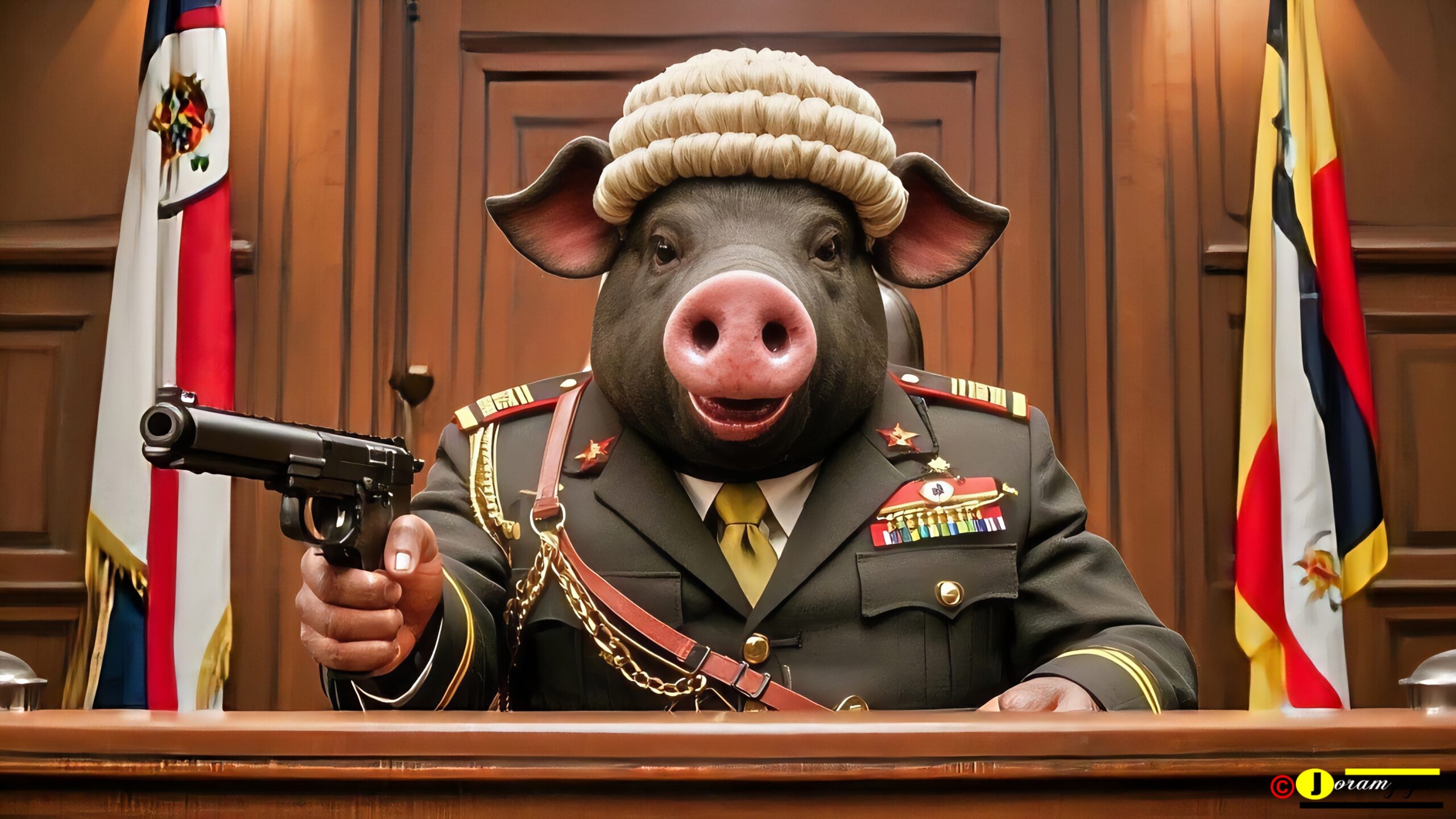
Uganda’s UPDF Amendment Bill 2025: A Threat to Democracy, Human Rights, and Civilian Oversight
The proposed Uganda Peoples’ Defence Forces (Amendment) Bill, 2025 raises profound concerns regarding its implications for democracy, civilian oversight, and accountability in Uganda. The bill seeks to amend the existing legal framework governing the Uganda People’s Defence Forces (UPDF), ostensibly to “streamline” military structures, establish a health care system for soldiers, and redefine service offences. However, upon closer scrutiny, the bill reveals mechanisms that could seriously undermine democratic governance, expand military control over civilian life, and erode public trust in state institutions.
The proposed Uganda Peoples’ Defence Forces (Amendment) Bill, 2025 has sparked widespread concern over its potential to undermine democratic governance, erode civilian oversight, and suppress fundamental human rights. By expanding the jurisdiction of military courts, empowering unaccountable entities like the Special Force Command (SFC), and criminalising civilian use of certain attire or symbols, the bill risks entrenching militarisation within Ugandan society. Critics argue that these provisions contradict constitutional principles enshrined in Articles 208, 209, and 210 of the Ugandan Constitution, which mandate civilian supremacy over the military and safeguard freedoms of expression and assembly. Drawing on evidence from landmark cases such as Attorney General v. Hon. Micheal A. Kabaziguruka and insights from the Odoki Commission Report , this analysis exposes the inconsistencies, factual inaccuracies, and far-reaching implications of the bill. From stifling dissent to weakening public trust in state institutions, the UPDF Bill 2025 poses a significant threat to Uganda’s fragile democracy and social cohesion. This article critically examines the bill’s impact on public perception, policy decisions, and social trust while urging Parliament to reject it in favour of inclusive, transparent reforms that prioritise accountability and uphold constitutional values.

Key Concerns and Analysis
Allowing Civilians to Be Tried in Military Courts
The Uganda Peoples’ Defence Forces (Amendment) Bill, 2025 introduces a provision that allows civilians to be tried in military courts under vague “exceptional circumstances.” This aspect of the bill is deeply problematic and raises significant concerns about its implications for democracy, the rule of law, and public trust in Uganda. Below, I provide a detailed critique of this provision, using evidence-based reasoning to expose inconsistencies, factual inaccuracies, and the broader risks posed by such legislation.
1. Distortion of Facts
Ambiguity in “Exceptional Circumstances”
- The bill does not define what constitutes “exceptional circumstances,” leaving the interpretation entirely at the discretion of military authorities. This ambiguity opens the door to arbitrary application and abuse of power.
- Historical precedents indicate that similar provisions have been exploited to target journalists, activists, opposition leaders, and ordinary citizens perceived as threats to the regime. For example:
- In Attorney General v Maj. Gen. David Tinyefuza, the court emphasized the dangers of extending military jurisdiction to civilians without clear safeguards.
- In Sgt Klemera Frank v Uganda (Criminal Appeal No. 18 of 1994), the judiciary highlighted the risks of militarizing justice systems, particularly when such systems lack independence and impartiality.
Contradiction with Constitutional Principles
- Articles 28(1), 44(c), and 210 of the Constitution of Uganda explicitly guarantee the right to a fair trial and prohibit arbitrary application of military law to civilians. By failing to align with these principles, the bill undermines constitutional protections.
- The vagueness of the term “exceptional circumstances” contravenes Article 28(1), which requires laws to be precise and foreseeable in their application. As noted in Uganda Law Society & Jackson Karugaba v A.G (Const Petitions Nos 2 of 2002 & 8 of 2002), overbroad legal provisions violate the principle of legality.
Comparison with International Standards
- Countries like the UK, which permit civilian trials in military courts, have robust safeguards to ensure fairness and accountability. For instance:
- The UK has specialized Service Civilian Courts , which are staffed by legally trained judges and subject to appellate review by civilian courts.
- In contrast, Uganda’s military courts operate as a parallel judicial system with no recourse to superior courts, as highlighted in 2nd Lt Ogwang Ambrose v Uganda. The Supreme Court condemned this arrangement, calling for legislative reform to confer appellate jurisdiction to apex courts.
2. Impact on Public Perception
Normalization of Militarized Justice
- By allowing civilians to be tried in military courts, the bill risks normalizing the militarization of justice. This shift undermines public confidence in the independence of the judiciary and fosters fear among citizens who may feel vulnerable to politically motivated prosecutions.
- The lack of transparency and accountability in military courts exacerbates these fears. As noted in the Odoki Commission Report , militarized justice systems often become tools of repression rather than instruments of fairness.
Erosion of Democratic Values
- The bill sends a chilling message to Ugandans that the military is above the law. This perception damages social cohesion and weakens the legitimacy of state institutions.
- Citizens are likely to view the bill as an attempt to shield the regime from accountability, further eroding trust in government.
3. Broader Implications
Lack of Safeguards
- The absence of safeguards—such as appellate jurisdiction to superior courts—exacerbates the problem. As highlighted in 2nd Lt Ogwang Ambrose v Uganda, the current UPDF Act creates a parallel judicial system with no recourse for review or appeal. This entrenches impunity within the military establishment and undermines the rule of law.
- The bill also fails to address longstanding criticisms of military courts, including:
- Lack of independence: Military judges are appointed by the President, raising concerns about bias and undue influence.
- Limited expertise: Many military judges lack formal legal training, compromising the quality of justice delivered.
Threat to Human Rights
- The extension of military jurisdiction to civilians violates international human rights norms, including the Universal Declaration of Human Rights and the African Charter on Human and Peoples’ Rights. Both instruments emphasize the right to a fair trial before an independent and impartial tribunal.
- The bill’s failure to incorporate these standards reflects a disregard for Uganda’s obligations under international law.

4. Comparison with Credible Sources and Objective Data
Historical Precedents
- Past experiences in Uganda demonstrate the dangers of militarized justice. For example:
- During the regimes of Idi Amin and Milton Obote, military courts were used to suppress dissent and eliminate political opponents.
- The Odoki Commission Report warned against replicating such practices, emphasizing the need for reforms to ensure accountability and fairness.
International Best Practices
- International best practices highlight the importance of limiting military jurisdiction to genuine cases involving military personnel or national security threats. For instance:
- In Kenya, the Military Act explicitly limits the application of military courts to civilians accompanying troops outside the country.
- In South Africa, post-apartheid reforms abolished military courts for civilians, recognizing their potential for abuse.
Expert Opinions
- Legal experts have consistently criticized militarized justice systems. In A.G v Uganda Law Society (Supreme Court Constitutional Appeal No. 1 of 2006), Justice Mulenga noted:
“Military courts must be manned by soldiers who are professionally trained to perform judicial functions and accorded protections and privileges as all other judicial officers in civilian courts.”
5. Call to Action
In light of the above analysis, I urge Parliament to reject the Uganda Peoples’ Defence Forces (Amendment) Bill, 2025 and initiate a transparent, inclusive process to reform the UPDF Act. Any amendments must adhere to constitutional principles, respect human rights, and ensure robust civilian oversight.
Recommendations:
- Clearly define and limit the jurisdiction of military courts to exclude civilians except in narrowly defined, exceptional cases.
- Provide for appellate jurisdiction to superior courts to ensure accountability and fairness.
- Strengthen the independence of military courts by incorporating safeguards such as tenure protection for judges and mandatory legal training.
- Engage the public in shaping defence reforms through consultations and awareness campaigns.
Conclusion
The proposed amendment to allow civilians to be tried in military courts represents a grave threat to Uganda’s democracy, rule of law, and human rights. By failing to define “exceptional circumstances” and disregarding constitutional safeguards, the bill risks entrenching impunity and undermining public trust. It is imperative that Parliament rejects this bill and prioritizes reforms that uphold the principles of fairness, accountability, and justice. A national army must protect all its people first, not operate above the law.
Turning the Special Forces into a Separate, Untouchable Army
1. Elevating the Special Force Command (SFC): A Praetorian Guard in Disguise
The bill proposes to elevate the Special Force Command (SFC) to an independent command structure, placing it on par with traditional branches such as the Land and Air Forces. This move ostensibly aims to enhance operational efficiency, but risks creating a praetorian guard—a military unit loyal to the executive rather than the Constitution or the broader public interest.
- Evidence-Based Concerns :
- The SFC has historically been perceived as a tool for political repression and human rights abuses, as documented in the Odoki Commission Report (p. 364). By formalising its autonomy without civilian oversight, the bill exacerbates these concerns.
- The lack of checks and balances within the proposed framework mirrors historical precedents where unaccountable military units have undermined democratic governance. For instance, during Uganda’s turbulent post-independence period, the military frequently interfered in politics, destabilising the nation (Odoki Commission Report, p. 359).
- Impact on Democracy :
- Elevating the SFC undermines the principle of civilian supremacy over the military, enshrined in Article 208(2) of the Ugandan Constitution. This principle ensures that the military remains subordinate to elected civilian authorities, safeguarding democratic governance.
- By granting the SFC significant autonomy, the bill effectively creates a parallel security apparatus that operates outside the purview of parliamentary scrutiny or judicial review. This is antithetical to democratic principles and risks entrenching authoritarianism.
2. Selective Omission: Absence of Civilian Oversight
One of the most glaring omissions in the bill is the absence of any provisions for civilian oversight or parliamentary supervision of the SFC. This omission is particularly troubling given the SFC’s controversial history.
- Factual Inaccuracies :
- The bill fails to address past allegations of the SFC’s involvement in political repression and human rights abuses. These allegations are well-documented in credible sources such as the Odoki Commission Report and various human rights reports.
- By omitting civilian oversight mechanisms, the bill contradicts Article 210 of the Constitution, which mandates Parliament to regulate the Uganda Peoples’ Defence Forces (UPDF), including ensuring accountability and transparency.
- Impact on Public Accountability :
- Without civilian oversight, the SFC becomes an unaccountable entity, operating above the law. This undermines public trust in the UPDF and erodes confidence in the regime’s commitment to democratic governance.
- The lack of accountability also increases the risk of abuse of power, as evidenced by historical precedents in Uganda and other countries where unchecked military units have committed atrocities with impunity.
3. Emotional Appeals vs. Objective Evidence
Proponents of the bill may argue that strengthening the SFC is necessary for national security. However, this argument overlooks the broader threat posed by concentrating power in an unaccountable force.
- Emotional Manipulation :
- Appeals to national security often exploit public fears to justify measures that undermine democracy. While national security is undoubtedly important, it should not come at the expense of constitutional safeguards and public accountability.
- History shows that unchecked military units often become tools of oppression rather than instruments of protection. For example, during Idi Amin’s regime, the military was used to suppress dissent and commit widespread human rights abuses.
- Objective Data :
- According to the Supreme Court ruling in Attorney General v. Hon. Micheal A. Kabaziguruka (Constitutional Appeal No. 2 of 2021), the UPDF Act in its current form creates a separate judicial system with no recourse for appeal or review to superior courts. This underscores the need for reform to ensure accountability and transparency.
- The bill’s failure to address these systemic issues perpetuates a culture of impunity within the military, contrary to the constitutional mandate to foster harmony between the defence forces and civilians (Article 209).
4. Social Trust and Policy Decisions
Formalising the SFC as a separate entity risks alienating the public from the armed forces and deepening divisions between the military and civilians.
- Impact on Social Trust :
- The bill undermines the constitutional mandate under Article 209 to foster harmony and understanding between the defence forces and civilians. By elevating the SFC without adequate safeguards, the bill erodes public trust in the UPDF’s commitment to serve all Ugandans equally.
- Public perception of the military is likely to shift from viewing it as a protector of national security to seeing it as a tool of political repression. This shift could lead to increased social unrest and diminished support for the armed forces.
- Policy Implications :
- The bill’s impact on policy decisions is profound. By concentrating power in an unaccountable force, it reduces the scope for evidence-based policymaking and increases the risk of militarised responses to political challenges.
- The lack of public participation in shaping defence reforms further exacerbates these issues, as it excludes diverse perspectives and undermines the legitimacy of the reforms.
Conclusion: Urgent Call for Action
The proposed amendments to the Uganda Peoples’ Defence Forces Act represent a significant threat to Uganda’s democracy, increasing military control over civilian life and reducing public accountability for the regime. By elevating the SFC to an independent command structure without civilian oversight, the bill risks creating a praetorian guard loyal to the executive rather than the Constitution.
- Recommendations :
- Reject the Bill : Parliament must reject the bill in its current form and initiate a comprehensive review process that prioritises civilian oversight, accountability, and transparency.
- Public Participation : A transparent and inclusive process should be established to engage Ugandans in shaping defence reforms. This process should involve consultations with civil society organisations, legal experts, and representatives from all districts of Uganda.
- Strengthen Democratic Safeguards : Reforms should focus on strengthening democratic safeguards, including ensuring that the military remains subordinate to civilian authority and accountable to the rule of law.
By taking these steps, Uganda can uphold its constitutional commitment to democratic governance and ensure that its armed forces protect all its people, rather than operate above the law.

Outlawing Civilian Use of Certain Attire or Colours
1. Outlawing Civilian Use of Military Symbols: A Threat to Freedom of Expression
The bill grants the Defence Forces authority to designate military uniforms, symbols, and even certain attire as “classified stores,” effectively banning their use by civilians. This provision appears designed to suppress dissent and stifle freedom of expression, which is a fundamental constitutional right under Article 29 of the Ugandan Constitution.
- Evidence-Based Concerns :
- There is no empirical evidence presented in the bill to justify why restricting civilian use of specific clothing enhances national security. Such measures are often reminiscent of authoritarian regimes that seek to control symbolic resistance through Draconian laws.
- The lack of clear criteria for what constitutes “classified stores” creates ambiguity, leaving room for arbitrary enforcement. This ambiguity risks criminalising innocent behaviour and stifling legitimate forms of protest and artistic expression.
- Impact on Freedom of Expression :
- Banning attire associated with protest movements or political ideologies violates constitutional guarantees of free speech and assembly. For instance, the Odoki Commission Report (p. 364) highlights the historical role of the military in suppressing democratic freedoms in Uganda, including the curtailment of free expression.
- This measure sets a dangerous precedent where artistic, cultural, or activist expressions can be criminalised arbitrarily. It undermines the constitutional mandate to foster harmony between the defence forces and civilians (Article 209).
2. Statistical Manipulation and Misrepresentation
The bill fails to provide any statistical data or objective evidence to support the claim that restricting civilian use of specific clothing enhances national security.
- Misleading Claims :
- Proponents of the bill may argue that such restrictions are necessary to prevent impersonation of military personnel or to protect national security. However, these arguments are not backed by credible sources or objective data.
- Historical precedents show that such measures are often used to suppress dissent rather than enhance security. For example, during Idi Amin’s regime, similar restrictions were imposed to quash opposition and maintain control over the population.
- Objective Data :
- According to the Supreme Court ruling in Attorney General v. Hon. Micheal A. Kabaziguruka (Constitutional Appeal No. 2 of 2021), the UPDF Act in its current form already creates a separate judicial system with no recourse for appeal or review to superior courts. This underscores the need for reform to ensure accountability and transparency, rather than imposing additional restrictions on civilian freedoms.
3. Public Reaction and Social Cohesion
Criminalising everyday items based on vague criteria will likely provoke widespread resentment and fuel perceptions of militarism encroaching on civilian freedoms.
- Impact on Public Perception :
- These measures risk alienating the public from the armed forces, deepening divisions and eroding trust in the UPDF’s commitment to serve all Ugandans equally. Instead of fostering unity, they exacerbate tensions between the state and its citizens.
- Public perception of the military is likely to shift from viewing it as a protector of national security to seeing it as a tool of political repression. This shift could lead to increased social unrest and diminished support for the armed forces.
- Policy Implications :
- The bill’s impact on policy decisions is profound. By concentrating power in an unaccountable force, it reduces the scope for evidence-based policymaking and increases the risk of militarised responses to political challenges.
- The lack of public participation in shaping defence reforms further exacerbates these issues, as it excludes diverse perspectives and undermines the legitimacy of the reforms.
4. Constitutional and Legal Framework
The bill contradicts the constitutional framework established under Chapter 12 of the 1995 Constitution, which empowers Parliament to regulate the UPDF while ensuring civilian supremacy over the military.
- Factual Inaccuracies :
- Article 208(2) of the Constitution mandates that the UPDF must remain subordinate to civilian authority. By granting the Defence Forces authority to designate civilian attire as “classified stores,” the bill undermines this principle.
- The lack of parliamentary oversight in this process further erodes the constitutional mandate to regulate the UPDF in accordance with Article 210.
Conclusion: Urgent Call for Action
The proposed amendments to the Uganda Peoples’ Defence Forces Act represent a significant threat to Uganda’s democracy, increasing military control over civilian life and reducing public accountability for the regime. By outlawing civilian use of certain attire or colours, the bill risks suppressing dissent and stifling freedom of expression.
- Recommendations :
- Reject the Bill : Parliament must reject the bill in its current form and initiate a comprehensive review process that prioritises civilian oversight, accountability, and transparency.
- Public Participation : A transparent and inclusive process should be established to engage Ugandans in shaping defence reforms. This process should involve consultations with civil society organisations, legal experts, and representatives from all districts of Uganda.
- Strengthen Democratic Safeguards : Reforms should focus on strengthening democratic safeguards, including ensuring that the military remains subordinate to civilian authority and accountable to the rule of law.
By taking these steps, Uganda can uphold its constitutional commitment to democratic governance and ensure that its armed forces protect all its people, rather than operate above the law.

Creating Powerful Military Bodies Without Civilian Oversight
1. Establishment of the Joint Military Command: Centralising Power Without Accountability
The bill proposes the creation of a new Joint Military Command to oversee war efforts and national security. While this may appear to streamline decision-making, it does so at the expense of civilian oversight—a cornerstone of democratic governance.
- Contradiction with Constitutional Principles :
- Article 208(2) of the Ugandan Constitution explicitly mandates that the UPDF remain subordinate to civilian authority. By creating a powerful military body without parliamentary or public oversight, the bill undermines this principle and tilts the balance of power decisively toward the military.
- The absence of civilian input in decisions made by the Joint Military Command reduces transparency and accountability, contravening the constitutional mandate to foster harmony between the defence forces and civilians (Article 209).
- Impact on Democratic Governance :
- The concentration of power in the hands of the military risks eroding Uganda’s fragile democracy. Historical precedents show that unchecked military control often leads to authoritarianism. For example, during Idi Amin’s regime, the military’s dominance over civilian life resulted in widespread human rights abuses and political repression (Odoki Commission Report , p. 359).
- By failing to provide a role for Parliament or other public institutions in supervising these decisions, the bill creates a governance vacuum where military leaders operate above the law, reducing public trust in the regime.
2. Logical Flaws in Justifications
Advocates of the bill may argue that rapid decision-making necessitates centralized military control. However, this rationale overlooks the value of diverse perspectives in shaping sound policy.
- Misleading Claims :
- Proponents may claim that centralised military control enhances efficiency and responsiveness in times of crisis. However, this argument ignores the dangers of excluding civilian oversight, which ensures that military actions align with broader societal interests.
- History demonstrates that the absence of civilian input often leads to reckless or abusive behaviour. For instance, the misuse of military resources for partisan ends was a hallmark of Uganda’s post-independence period, where the military frequently interfered in politics to maintain control (Odoki Commission Report , p. 364).
- Objective Data :
- According to the Supreme Court ruling in Attorney General v. Hon. Micheal A. Kabaziguruka (Constitutional Appeal No. 2 of 2021), the UPDF Act in its current form already creates a separate judicial system with no recourse for appeal or review to superior courts. This underscores the need for reform to ensure accountability and transparency, rather than further centralising military power.
3. Long-Term Consequences: Undermining Democratic Governance
A militarised decision-making process undermines democratic governance and perpetuates the cycle of conflict and instability.
- Undermining Checks and Balances :
- Without checks and balances, there is little to prevent the misuse of military resources for partisan ends. This risks entrenching authoritarianism and reducing public accountability for the regime.
- The lack of civilian oversight also increases the risk of abuse of power, as evidenced by historical precedents in Uganda and other countries where unchecked military units have committed atrocities with impunity.
- Impact on Public Perception :
- The creation of a powerful military body without civilian oversight alienates the public from the armed forces, deepening divisions and eroding trust in the UPDF’s commitment to serve all Ugandans equally.
- Public perception of the military is likely to shift from viewing it as a protector of national security to seeing it as a tool of political repression. This shift could lead to increased social unrest and diminished support for the armed forces.
4. Policy Implications and Social Trust
The bill’s impact on policy decisions and social trust is profound.
- Policy Decisions :
- By concentrating power in an unaccountable force, the bill reduces the scope for evidence-based policymaking and increases the risk of militarised responses to political challenges.
- The lack of public participation in shaping defence reforms further exacerbates these issues, as it excludes diverse perspectives and undermines the legitimacy of the reforms.
- Social Trust :
- The militarisation of decision-making processes risks alienating civilians and fostering perceptions of militarism encroaching on civilian freedoms. Instead of promoting unity, these measures exacerbate tensions between the state and its citizens.
- The erosion of social trust undermines the constitutional mandate to foster harmony between the defence forces and civilians (Article 209).
Conclusion: Urgent Call for Action
The proposed amendments to the Uganda Peoples’ Defence Forces Act represent a significant threat to Uganda’s democracy, increasing military control over civilian life and reducing public accountability for the regime. By creating powerful military bodies without civilian oversight, the bill risks undermining democratic governance and perpetuating the cycle of conflict and instability.
- Recommendations :
- Reject the Bill : Parliament must reject the bill in its current form and initiate a comprehensive review process that prioritises civilian oversight, accountability, and transparency.
- Public Participation : A transparent and inclusive process should be established to engage Ugandans in shaping defence reforms. This process should involve consultations with civil society organisations, legal experts, and representatives from all districts of Uganda.
- Strengthen Democratic Safeguards : Reforms should focus on strengthening democratic safeguards, including ensuring that the military remains subordinate to civilian authority and accountable to the rule of law.
By taking these steps, Uganda can uphold its constitutional commitment to democratic governance and ensure that its armed forces protect all its people, rather than operate above the law.

Broader Implications for Democracy and Society: The Undermining of Democratic Values and Militarisation in Uganda
1. Cumulative Effect on Democratic Values
The cumulative effect of the provisions within THE UGANDA PEOPLES’ DEFENCE FORCES (AMENDMENT) BILL, 2025 is a gradual erosion of democratic values and an increased militarisation of Ugandan society. By expanding military jurisdiction, empowering unaccountable forces, and suppressing civilian freedoms, the bill threatens to reverse hard-won gains in human rights and good governance that were enshrined in the 1995 Constitution.
- Erosion of Democratic Values :
- Article 208(2) of the Constitution mandates that the UPDF must remain subordinate to civilian authority. However, the bill tilts the balance of power decisively toward the military, reducing transparency and accountability (Odoki Commission Report, p. 364).
- Expanding the scope of military jurisdiction and creating powerful military bodies without civilian oversight undermines the principle of civilian supremacy over the military—a cornerstone of democratic governance.
- Impact on Human Rights :
- The bill’s provisions, such as outlawing civilian use of certain attire or colours and creating a Joint Military Command without civilian input, suppress dissent and stifle freedom of expression, which are fundamental constitutional rights under Article 29.
- Historical precedents show that unchecked military control often leads to human rights abuses. For example, during Idi Amin’s regime, the military’s dominance over civilian life resulted in widespread atrocities (Odoki Commission Report, p. 359).
2. Public Perception: Reinforcing Negative Stereotypes
The bill reinforces negative stereotypes of the military as an instrument of coercion rather than a protector of national interests. This perception damages social cohesion and weakens the legitimacy of state institutions.
- Negative Stereotypes :
- By granting the military extensive powers without adequate safeguards, the bill perpetuates the view that the military operates above the law. This perception is particularly damaging given the historical role of the military in suppressing democratic freedoms in Uganda.
- The lack of civilian oversight and public participation in shaping defence reforms alienates the public from the armed forces, deepening divisions and eroding trust in the UPDF’s commitment to serve all Ugandans equally.
- Impact on Social Cohesion :
- The militarisation of everyday life reduces trust in both the government and the military. Citizens may withdraw from civic engagement, fearing retribution or surveillance. This withdrawal undermines the constitutional mandate to foster harmony between the defence forces and civilians (Article 209).
3. Policy Decisions: Insulation from Public Scrutiny
Policymaking becomes insulated from public scrutiny, leading to decisions that prioritise short-term security objectives over long-term development goals.
- Insulation from Public Scrutiny :
- The creation of a Joint Military Command without civilian oversight insulates policymaking from public scrutiny. This insulation risks prioritising short-term security objectives over long-term development goals, undermining the broader societal interest.
- The lack of diverse perspectives in shaping policy decisions increases the risk of reckless or abusive behaviour. Civilian oversight ensures that military actions align with broader societal interests, preventing the misuse of military resources for partisan ends.
- Impact on Development Goals :
- By focusing on militarised responses to political challenges, the bill diverts resources away from critical development areas such as education, healthcare, and infrastructure. This diversion undermines Uganda’s commitment to achieving the Sustainable Development Goals (SDGs).
4. Social Trust: Reducing Trust in the Government and Military
The militarisation of everyday life reduces trust in both the government and the military. Citizens may withdraw from civic engagement, fearing retribution or surveillance.
- Reduced Social Trust :
- The bill’s provisions, such as outlawing civilian use of certain attire or colours and creating powerful military bodies without civilian oversight, reduce trust in both the government and the military. Citizens may perceive these measures as tools of repression rather than protection.
- The erosion of social trust undermines the constitutional mandate to foster harmony between the defence forces and civilians (Article 209). Instead of promoting unity, these measures exacerbate tensions between the state and its citizens.
- Withdrawal from Civic Engagement :
- Fear of retribution or surveillance may lead citizens to withdraw from civic engagement, further eroding public trust in state institutions. This withdrawal undermines the democratic process and reduces public accountability for the regime.
5. Evidence-Based Reasoning and Credible Sources
Comparing the misleading claims within the bill with credible sources and objective data demonstrates how this bill would seriously undermine Uganda’s democracy, increase military control over civilian life, and reduce public accountability for the regime.
- Misleading Claims vs. Credible Sources :
- Proponents of the bill may argue that these measures are necessary for national security. However, this argument overlooks the dangers of excluding civilian oversight, which ensures that military actions align with broader societal interests.
- According to the Supreme Court ruling in Attorney General v. Hon. Micheal A. Kabaziguruka (Constitutional Appeal No. 2 of 2021), the UPDF Act in its current form already creates a separate judicial system with no recourse for appeal or review to superior courts. This underscores the need for reform to ensure accountability and transparency, rather than further centralising military power.
Conclusion: Urgent Call for Action
The proposed amendments to the Uganda Peoples’ Defence Forces Act represent a significant threat to Uganda’s democracy, increasing military control over civilian life and reducing public accountability for the regime. By expanding military jurisdiction, empowering unaccountable forces, and suppressing civilian freedoms, the bill threatens to reverse hard-won gains in human rights and good governance.
- Recommendations :
- Reject the Bill : Parliament must reject the bill in its current form and initiate a comprehensive review process that prioritises civilian oversight, accountability, and transparency.
- Public Participation : A transparent and inclusive process should be established to engage Ugandans in shaping defence reforms. This process should involve consultations with civil society organisations, legal experts, and representatives from all districts of Uganda.
- Strengthen Democratic Safeguards : Reforms should focus on strengthening democratic safeguards, including ensuring that the military remains subordinate to civilian authority and accountable to the rule of law.
By taking these steps, Uganda can uphold its constitutional commitment to democratic governance and ensure that its armed forces protect all its people, rather than operate above the law.

Conclusion: A Call for Rejection and Reform
In light of the above analysis, it is imperative to critically assess the Uganda Peoples’ Defence Forces (Amendment) Bill, 2025 through the lens of constitutional principles, democratic governance, and human rights. The bill, as currently drafted, poses a significant threat to Uganda’s democracy by increasing military control over civilian life, reducing public accountability, and undermining the rule of law. A national army must protect all its people first, not operate above the law. Therefore, I respectfully urge Parliament to reject this bill and initiate a transparent, inclusive process to reform the UPDF Act in a manner that adheres to constitutional principles, respects human rights, and ensures robust civilian oversight.
Why the Bill Undermines Democracy
- Erosion of Civilian Supremacy Over the Military
- Article 208(2) of the Ugandan Constitution mandates that the Uganda Peoples’ Defence Forces (UPDF) remain subordinate to civilian authority. However, the bill tilts the balance of power decisively toward the military by creating powerful entities such as the Special Force Command (SFC) and Joint Military Command without meaningful civilian oversight. This undermines the principle of civilian supremacy and risks entrenching authoritarianism.
- Historical precedents in Uganda, such as during Idi Amin’s regime, demonstrate the dangers of unchecked military control over civilian life. The militarisation of governance often leads to widespread human rights abuses and political repression (Odoki Commission Report , p. 359).
- Suppression of Civil Liberties
- The bill’s provisions, such as outlawing civilian use of certain attire or colours and criminalising protest symbols, suppress dissent and stifle freedom of expression guaranteed under Article 29 of the Constitution. These measures are reminiscent of authoritarian regimes seeking to control symbolic resistance through Draconian laws.
- There is no credible evidence presented to justify why restricting civilian use of specific clothing enhances national security. Such measures are arbitrary and risk alienating the public from the armed forces.
- Lack of Accountability and Transparency
- The bill fails to provide for parliamentary oversight or public participation in shaping defence reforms. This omission contradicts Article 210 of the Constitution, which mandates Parliament to regulate the UPDF, including ensuring accountability and transparency.
- According to the Supreme Court ruling in Attorney General v. Hon. Micheal A. Kabaziguruka (Constitutional Appeal No. 2 of 2021), the UPDF Act in its current form already creates a separate judicial system with no recourse for appeal or review to superior courts. The bill exacerbates this issue by further insulating military courts from civilian scrutiny.
Impact on Public Perception, Policy Decisions, and Social Trust
- Public Perception
- The bill reinforces negative stereotypes of the military as an instrument of coercion rather than a protector of national interests. By granting the military extensive powers without adequate safeguards, the bill alienates civilians and fosters perceptions of militarism encroaching on civilian freedoms.
- Public trust in the military is likely to erode, as citizens may view these measures as tools of repression rather than protection. This shift undermines the constitutional mandate to foster harmony between the defence forces and civilians (Article 209).
- Policy Decisions
- By concentrating power in unaccountable military bodies, the bill reduces the scope for evidence-based policymaking and increases the risk of militarised responses to political challenges. Civilian oversight ensures that military actions align with broader societal interests, preventing reckless or abusive behaviour.
- The lack of diverse perspectives in shaping policy decisions risks prioritising short-term security objectives over long-term development goals, such as education, healthcare, and infrastructure.
- Social Trust
- The militarisation of everyday life reduces trust in both the government and the military. Citizens may withdraw from civic engagement, fearing retribution or surveillance. This withdrawal undermines the democratic process and weakens social cohesion.
- The erosion of social trust also hinders Uganda’s commitment to achieving the Sustainable Development Goals (SDGs), particularly Goal 16, which emphasises peace, justice, and strong institutions.
Recommended Steps for Reform
To safeguard democracy and restore public confidence, the following steps are recommended:
- Clearly Define and Limit the Jurisdiction of Military Courts
- Military courts should only have jurisdiction over service offences committed by members of the military. Civilians must not be tried in military courts except in narrowly defined, exceptional cases where there is a clear and compelling national security interest.
- Strengthen the independence of military courts by conferring appellate jurisdiction to superior courts, as recommended by the Supreme Court in Attorney General v. Hon. Micheal A. Kabaziguruka.
- Subject the SFC and Joint Military Command to Parliamentary Oversight
- The SFC and Joint Military Command must be subject to parliamentary oversight and regular audits to ensure accountability and transparency. This will prevent the misuse of military resources for partisan ends and reinforce civilian control over the military.
- Remove Provisions Criminalising Civilian Use of Attire
- Provisions criminalising civilian use of attire or colours must be removed unless explicitly linked to genuine security threats. Arbitrary restrictions on civilian freedoms violate constitutional guarantees of free speech and assembly.
- Initiate a Transparent and Inclusive Reform Process
- A transparent and inclusive process should be established to engage Ugandans in shaping defence reforms. This process should involve consultations with civil society organisations, legal experts, and representatives from all districts of Uganda to ensure diverse perspectives are considered.
Restoring Constitutional Principles
By rejecting this bill and embracing reforms rooted in transparency and accountability, Uganda can uphold its constitutional promise to preserve sovereignty, promote justice, and foster harmony between the military and civilians. The preamble to the 1995 Constitution reminds Ugandans of the need to break from the “ugly past” characterised by grave human rights abuses by the military. The proposed amendments risk reversing these hard-won gains and undermining the principles enshrined in Articles 208, 209, and 210 of the Constitution.
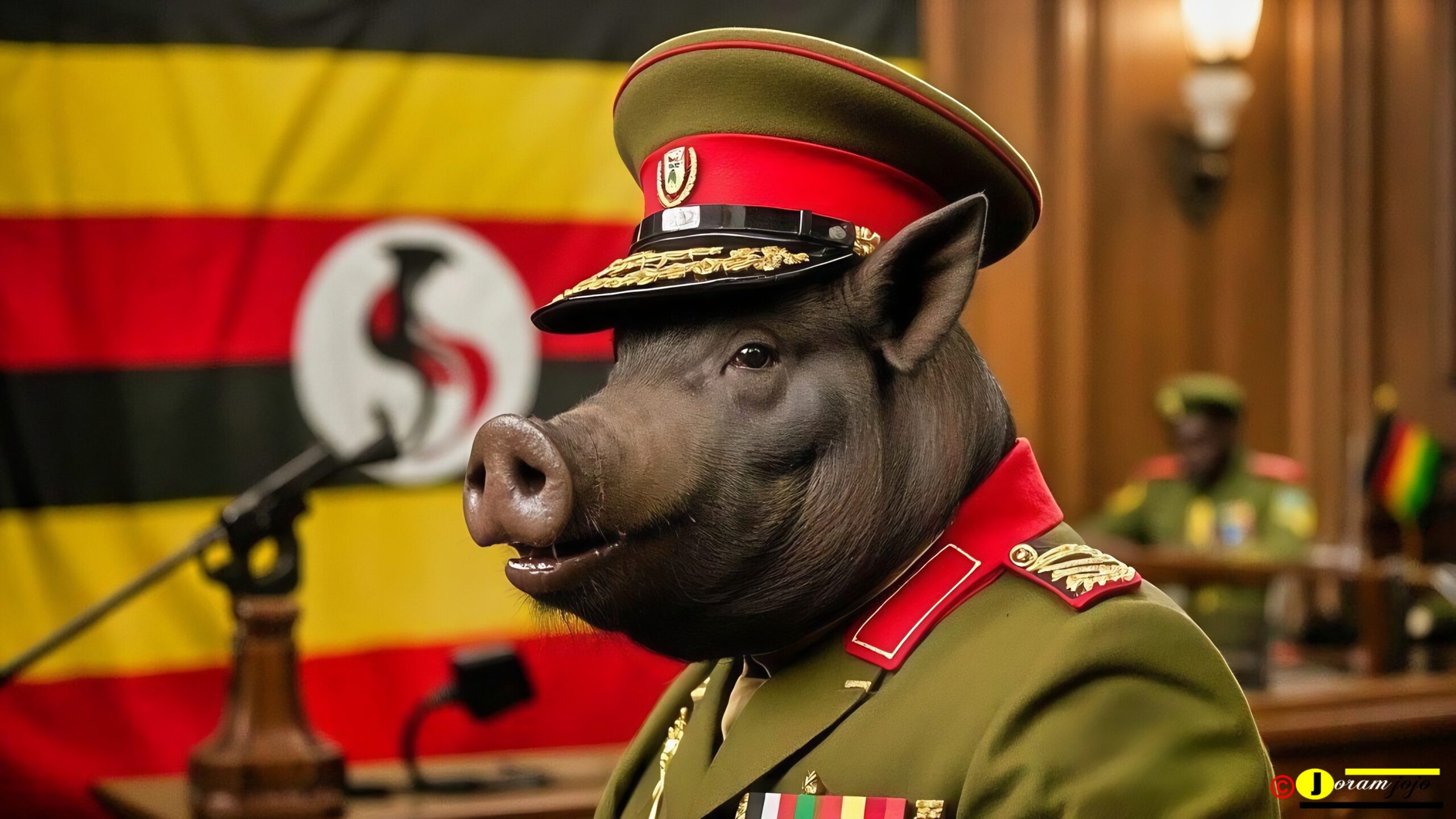
Final Appeal to Parliament
The Uganda Peoples’ Defence Forces (Amendment) Bill, 2025 represents a significant threat to Uganda’s democracy and the rule of law. It increases military control over civilian life, reduces public accountability, and undermines the constitutional framework that safeguards democratic governance. Parliament must reject this bill and initiate a comprehensive review process that prioritises civilian oversight, accountability, and transparency.
A national army must protect all its people first, not operate above the law. By taking these steps, Uganda can ensure that its armed forces serve as a pillar of stability and progress, rather than a tool of oppression.
Parliament must reject the Uganda Peoples’ Defence Forces (Amendment) Bill, 2025 and initiate a transparent, inclusive reform process that upholds constitutional principles, respects human rights, and ensures robust civilian oversight.
Sub delegate
Joram Jojo

- Beyond National Unity Platform (NUP): Building Real People Power in Uganda from the Ground Up - 3rd September 2025
- Red Beret Messiah or New Dictator? Anarchist Critique of Bobi Wine Cult & NUP Cronyism in Uganda - 17th August 2025
- Uganda’s NDPIV Unmasked: The Stark Reality Behind the Illusion of Progress - 8th June 2025
RELATED PUBLICATIONS:
 From Propaganda to Policy: The Impact of Misinformation in Uganda’s Economic Reporting
 UBOS’s Statistical Spin: How Facts Are Doctored to Serve Political Agendas
 Supreme Court of Uganda Rules: Civilians Cannot Be Tried in Military Courts
 Uganda Economic Report: Analysing Propaganda and Misinformation in Fiscal Policies
 A CRITICAL EXAMINATION OF WESTERN INTERVENTION IN AFRICAN LEGAL AFFAIRS
 Uganda’s Economic Outlook 2025: Navigating Global Uncertainties and Domestic Growth Opportunities
 UBOS producer price indices (PPI) Report 2025: Exposing Statistical Manipulation and Policy Implications in Uganda
 UGANDA PARLIAMENT SECRETLY SIPHONES COVID-19 FUND
 PERSIS NAMUGANZA IS A LAND THIEF
 DELAYED PAYMENT FOR UGANDA HEALTH OFFICIALS DURING COVID-19 PANDEMIC
 POLITICIANS HAVE GANGED UP AGAINST UGANDANS
 Justice on Trial: The Fall of a Ugandan Judge Accused of Modern Slavery
 The Great Ugandan Political Theatre: The Case of Uganda’s Opposition Leaders
 Taxpayer-Funded Travels vs. Empty Promises: The Shamim Malende Saga
 ROBERT KYAGULANYI, AKA BOBI WINE IS A SCAM
 Batwa Communities in Kisoro Boycott Bye-Elections Over Unresolved Grievances
 Controversy Rocks National Unity Platform Over Alleged Ticket Fee Demand
 Makerere University Students Declare not to Stop Peaceful Protest
 COVID-19 PANDEMIC RELIEF, BECOMES A THIEVING BONANZA IN UGANDA
 UGANDAN WHO LOWERED THE UNION JACK AND HOISTED THE UGANDA FLAG IS DEAD
 WHOEVER WILL LOSE THE UGANDA ELECTIONS TO PEACEFULLY CONCEDE
 UGANDA PEOPLE’S CONGRESS (UPC) IS NOT WITH KIZZA BESIGYE
 NUP LEADERS SEXUALLY ABUSE YOUNG PARTY SUPPORTERS
 Uganda National Flag: Symbolism & History of Black, Gold, Red, and the Grey-Crowned Crane