

NUP Rocked by Corruption Scandal: Allegations Mar Kawempe North By-Election
The National Unity Platform (NUP), a political party that has been accused of operating as a facade for the ruling National Resistance Movement (NRM), has been embroiled in a major controversy following allegations of financial impropriety. At the centre of the storm is Fred Nyanzi, the party’s National Mobiliser and brother to Robert Kyagulanyi (Bobi Wine), who has been accused of demanding UGX 400 million from a candidate seeking the party’s ticket for an upcoming by-election. This incident has ignited a contentious debate within the party, raising concerns about the transparency and integrity of its internal processes.
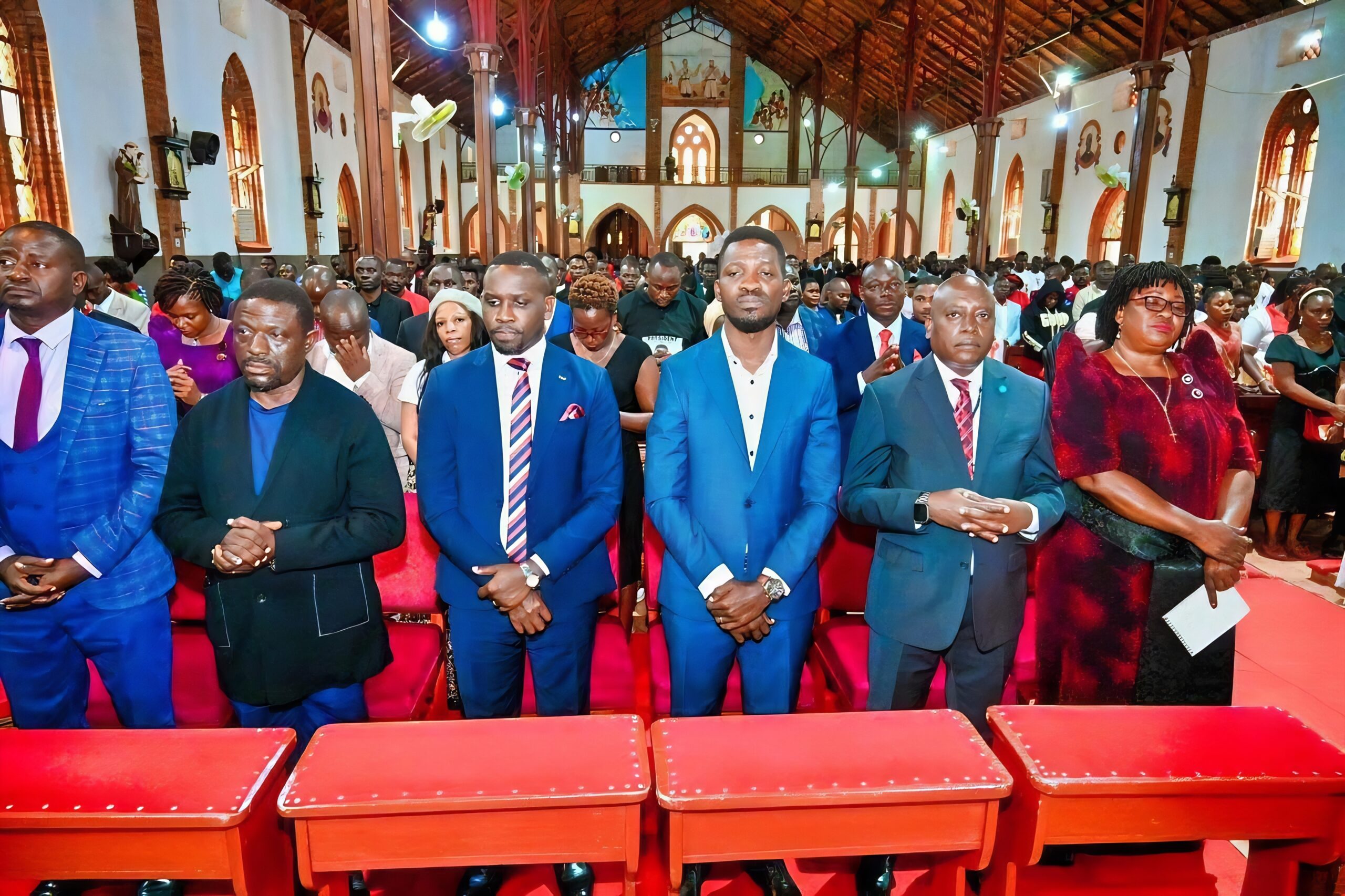
Allegations of Corruption Shake NUP Ahead of Kawempe North By-Election
The National Unity Platform (NUP) is currently experiencing a significant credibility crisis, precipitated by allegations made by Alex Luwemba, a candidate vying for the party’s ticket in the upcoming Kawempe North by-election. At the heart of the controversy is Fred Nyanzi, the party’s Ayatollah and brother to Parasite Robert Kyagulanyi (Bobi Wine), who stands accused of demanding an exorbitant sum of UGX 400 million from Luwemba in exchange for the party’s nomination.
The Allegations: A Price Tag on the Party Ticket
Luwemba asserts that Fred Nyanzi made it abundantly clear that securing the NUP ticket would come at a considerable cost, amounting to UGS 400 million. This demand, Luwemba asserts, was presented as an unconditional prerequisite for his candidacy.
Luwemba, who formerly served as personal assistant to the deceased MP Muhammad Ssegirinya, has expressed outrage over the alleged demand. Ssegirinya, a figure held in high esteem within the constituency, had recently passed away, resulting in a substantial political vacuum. The by-election, scheduled for 13 March 2025, was called to fill this vacancy. However, the controversy now threatens to overshadow the electoral process and tarnish the legacy of the former MP, who was held in high esteem by the constituency.
A Prerequisite for Candidacy?
Luwemba’s assertions indicate that financial contributions are being utilised as a criterion for the selection of candidates within the NUP. If substantiated, this practice gives rise to significant concerns regarding the party’s alleged commitment to democratic principles and fair representation. Critics contend that the linkage of candidacies to monetary contributions undermines the very values the NUP purports to uphold: namely, integrity, transparency, and service to the people.
The Context: A High-Stakes By-Election
The Kawempe North by-election has been identified as a pivotal moment for both the NUP and the broader Ugandan political landscape.The constituency had been significantly impacted by the loss of its former Member of Parliament, Muhammad Ssegirinya, who had been a prominent figure in the community. His untimely passing had led to a significant power vacuum, which has now been further exacerbated by allegations against Fred Nyanzi. These allegations risk alienating voters and potentially diminishing the party’s standing according to the electorate.

With the by-election still over a month away, the NUP must act swiftly to address these allegations and restore public confidence, or face the prospect of voter disillusionment and a weakened electoral performance in a constituency that holds immense strategic importance.
The Fallout: Implications for the NUP
1 Erosion of Trust: The NUP’s Leadership Under Fire
The recent allegations levelled against Fred Nyanzi, the National Unity Platform’s (NUP) Ayatollah, have ignited a firestorm within the party, giving rise to grave concerns regarding its leadership and commitment to fairness. As supporters and members grapple with the implications of these claims, trust in the NUP’s ability to uphold transparency and integrity is rapidly eroding.
A Crisis of Confidence
At the core of this controversy lies the fundamental question of whether the leadership of the NUP is genuinely committed to democratic principles, or whether it has succumbed to practices that compromise its credibility. Supporters are now questioning whether the party’s internal processes are driven by merit and service to the people – or by financial influence and favoritism.
For a political party that positions itself as a champion of the marginalised and a beacon of hope for change in Uganda, such allegations have the potential to undermine its very identity. The party’s grassroots supporters, who constitute its primary strength, have expressed feelings of betrayal in response to the suggestion that financial considerations, rather than merit, might determine the party’s representation in crucial electoral processes, such as the forthcoming Kawempe North by-election.
Risk of Alienation
The erosion of trust poses a significant threat to the NUP’s relationship with its base, which comprises grassroots supporters. These supporters are the lifeblood of any political movement, particularly one like the NUP, which prides itself on being a people-driven platform.If left unaddressed, the scandal risks alienating these loyalists, many of whom have stood by the party through years of phony struggles and excesses of opulence.
Furthermore, the controversy has the potential to act as a deterrent to potential new supporters and candidates joining the NUP, as they may be reluctant to align themselves with a party perceived as prioritising financial contributions over fairness and integrity. This perception could lead to a decline in membership and weaken the party’s influence on the national stage.
Reputation on the Line
The credibility of the NUP as a “credible” opposition force is also at stake.In the context of Ugandan politics, where public trust in institutions is often fragile, scandals of this nature have the potential to have far-reaching consequences.It is highly likely that voters in Kawempe North – and across the country – will subject the party’s actions to scrutiny. Any perception of corruption or unethical behaviour for the NUP will damage its standing in the by-election and tarnish its broader aspirations as a “credible” alternative to the ruling party.
Restoring Trust: A Path Forward
To mitigate the damage and rebuild confidence, it is vital that the NUP takes immediate and decisive action:
- Transparency in Investigations: Conducting an independent, transparent investigation into the allegations is crucial. Demonstrating such a commitment would serve to affirm the party’s dedication to addressing concerns directly and ensuring that individuals, irrespective of their position within the leadership structure, are held accountable for their actions.
- Clear Communication: It is imperative that the party engage in transparent communication with its members and the general public regarding the measures being implemented to address the issue. The maintenance of silence or ambiguity will only serve to exacerbate existing suspicions and further erode trust.
- Commitment to Reform: The NUP should utilise this occasion as a chance to fortify its internal processes. By implementing clear, merit-based criteria for candidate selection and ensuring transparency in decision-making, the party can reaffirm its commitment to fairness and integrity.
A Test of Resilience
The erosion of trust within the NUP serves as a poignant illustration of the challenges confronting political movements that aspire to effect change. While the allegations levelled against Fred Nyanzi are undoubtedly damaging, they also present an opportunity for the party to reflect, reform, and emerge stronger.
The forthcoming weeks will be of paramount importance in determining whether the NUP can regain the trust of its supporters and honour its commitment to serve the people of Uganda with integrity and transparency. Failure to do so risks not only losing the Kawempe North by-election but also jeopardising the party’s long-term vision of transforming Ugandan politics.
The NUP is at a critical juncture in its existence, and the coming weeks will be pivotal in determining its future. The question therefore arises whether the NUP will be able to demonstrate a return to its founding principles, or whether the consequences of this crisis will determine its legacy. The answer to this question is contingent upon the actions that are taken in the present.
2. Leadership Under Scrutiny: The Weight of Fred Nyanzi’s Actions
The allegations levelled against Fred Nyanzi, the National Unity Platform’s (NUP) ‘Ayatollah’, have placed not only himself but also the broader party leadership under intense scrutiny.As the brother of Bobi Wine, NRM Undercover opposition leader and face of the NUP, Nyanzi occupies a position of significant influence within the party. The alleged demand for UGX 400 million for the party’s ticket, as has been alleged, carries far-reaching implications, casting a shadow over the NUP’s leadership and raising questions about accountability and integrity.
A Figure of Influence
Fred Nyanzi’s role as Ayatollah makes him a key figure in the NUP hierarchy. However, his family ties to Bobi Wine heighten the significance of his actions. As the NRM’s orchestrated opposition leader, Bobi Wine has positioned himself as a champion of transparency, fairness and anti-corruption. Any perception of impropriety involving his close family members risks undermining his — and by extension, the party’s — credibility.
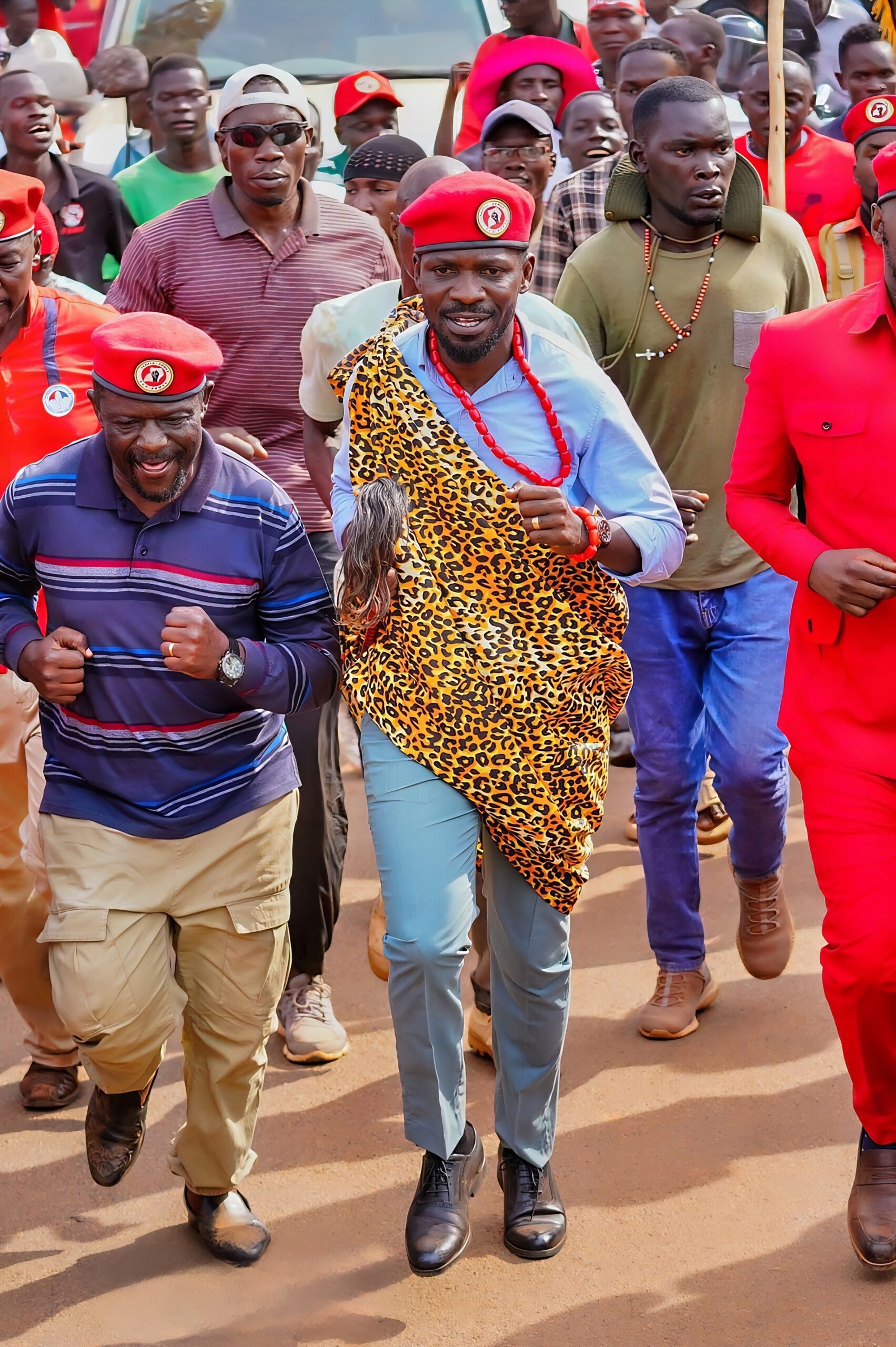
For gullible supporters, Bobi Wine represents hope for a better Uganda. Therefore, any controversy surrounding his inner circle is seen not just as an individual failure, but as a reflection on the party’s leadership as a whole. This puts immense pressure on the NUP to deal with the allegations quickly and decisively.
Perception of Impropriety
The allegations against Nyanzi strike at the heart of the NUP’s values. If proven true, the demand for money in exchange for a party ticket would signal a departure from the principles of fairness and meritocracy that the party claims to uphold. Such practices are reminiscent of the very political culture that the NUP seeks to challenge — a culture often criticised for favouring wealth and connections over competence and service to the people.
Even the perception of impropriety can be damaging. In politics, public trust is fragile, and rumours or unaddressed controversies can quickly turn into full-blown crises. For a party like the NUP, which relies heavily on grassroots support and its image as a force for change, this scrutiny could undermine the confidence of both current members and potential allies.
Broader Implications for Party Leadership
The scandal raises uncomfortable questions about oversight and accountability mechanisms within the NUP. How could such allegations arise if the party is genuinely committed to transparency? Are there systemic problems within the leadership structure that allow unethical behaviour to go unchecked?
These questions go beyond Fred Nyanzi and touch on the wider leadership of the party. Supporters and critics alike are now questioning the ability of the NUP leadership to maintain discipline and integrity within its ranks. If the party fails to address these concerns, it risks being perceived as no different from the entrenched political systems it seeks to dismantle.
A Leadership Test for Bobi Wine
As the face of the NUP, Bobi Wine’s response to this controversy will be closely watched. His ability to manage this crisis will not only determine how the allegations affect his brother, but also shape perceptions of his leadership. Will he take a firm stand against any form of wrongdoing, even if it involves a family member? Or will he appear to protect those close to him, risking further damage to the party’s reputation?
This moment is an opportunity for Bobi Wine to demonstrate his commitment to the principles he has long claimed to uphold. By ensuring that the matter is handled transparently and impartially, he can reaffirm the NUP’s commitment to accountability and justice.
Restoring Confidence in Leadership
To mitigate the fallout from this scandal, the NUP must take decisive steps to restore confidence in its leadership:
- Independent Investigation: A thorough and impartial investigation into the allegations is essential. This will demonstrate that the party takes such matters seriously and is prepared to hold individuals to account, regardless of their position or connections.
- Clear Accountability Measures: The party should establish clear guidelines and consequences for unethical behaviour to ensure that similar incidents do not occur in the future.
- Leadership Transparency: Bobi Wine and other senior leaders must communicate openly with party members and the public, addressing concerns and outlining steps being taken to prevent a recurrence.
A Defining Moment for the NUP Leadership
The scrutiny facing Fred Nyanzi and the wider NUP leadership is a defining moment for the party. It highlights the delicate balance between personal loyalty and institutional integrity — a balance that any political movement must tread carefully.
How the NUP handles this crisis will determine not only its prospects in the upcoming Kawempe North by-election, but also its long-term credibility as a viable alternative to the current conditions. The party’s leadership must rise to the occasion and demonstrate that it is committed to the values it preaches. Failure to do so risks alienating supporters and tarnishing the legacy of a movement built on the promise of change.
Ultimately, Fred Nyanzi’s actions — and the response of the NUP leadership — will serve as a litmus test of the party’s resilience and integrity. The stakes could not be higher.
3. Legacy of Muhammad Ssegirinya: A Shadow Over a Beloved Leader’s Memory
The late Muhammad Ssegirinya , a towering figure in the Kawempe North constituency, is remembered for his unwavering dedication to public service and his commitment to uplifting the community. However, the recent controversy surrounding the National Unity Platform (NUP) threatens to overshadow his legacy. As allegations of financial impropriety within the party swirl, voters in Kawempe North may perceive these actions as a betrayal of the principles Ssegirinya stood for – integrity, fairness and selfless leadership.
A Leader Who Embodied Service
Ssegirinya was not just a Member of Parliament; he was a symbol of hope and resilience for the people of Kawempe North. Known for his grassroots approach, he prioritised the needs of his constituents and championed causes such as education, healthcare, and infrastructure development. His untimely death leaves a void that many fear will be difficult to fill.
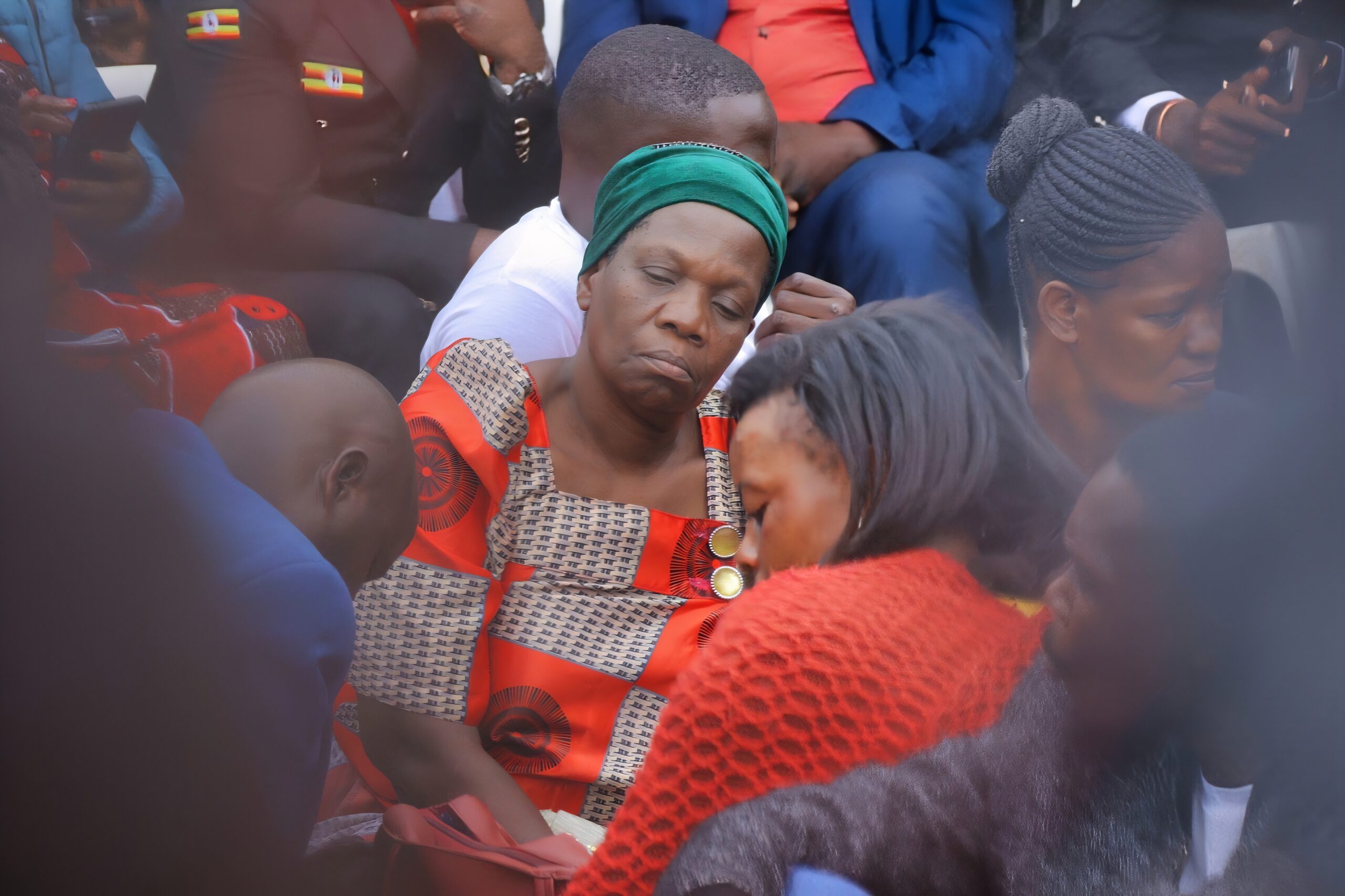
In life, Ssegirinya represented the ideals of a true public servant — someone who led with humility and put the interests of the people above all else. His legacy continues to resonate with the people of Kawempe North, who see him as a leader who genuinely cared about their welfare.
A Betrayal of Principles?
The allegations against Fred Nyanzi and the wider controversy within the NUP risk tarnishing this cherished legacy. If voters perceive the party as engaging in unethical practices — such as demanding money to run for office — they may see this as a direct contradiction of the values Ssegirinya embodied.
For many in Kawempe North, Ssegirinya’s leadership was defined by transparency and accountability. The suggestion that financial contributions could determine who represents the NUP in the upcoming by-election undermines these principles and risks alienating voters who admired Ssegirinya’s integrity.
Complicating the NUP’s Electoral Prospects
The NUP faces an uphill battle to retain the Kawempe North seat in the midst of this controversy. Ssegirinya’s death created an emotional bond between the constituency and the party, as he was widely considered an NUP stalwart. But the alleged misconduct now threatens to sever that bond.
Voters in Kawempe North are likely to scrutinise the NUP’s actions and ask whether the party is truly honouring Ssegirinya’s memory or whether it has strayed from the path he set out. Any perception that the party is exploiting his legacy for political gain — or worse, undermining it through unethical behaviour — could lead to voter disillusionment and a decline in support.
Preserving Ssegirinya’s Legacy
To honour Ssegirinya’s memory and maintain the trust of the electorate, the NUP must take deliberate steps to address the controversy:
- Uphold Ethical Standards: The party should ensure that its candidate selection process reflects the same values of fairness and integrity that Ssegirinya championed. This includes rejecting any form of financial favouritism or corruption.
- Transparent Communication: The NUP must engage openly with the people of Kawempe North, acknowledging the seriousness of the allegations and outlining the measures being taken to address them. This will show respect for the constituency and the legacy of their late MP.
- Celebrate Ssegirinya’s Contributions: Instead of allowing the controversy to dominate the narrative, the party should focus on celebrating Ssegirinya’s achievements and reaffirming its commitment to continuing his work. This can help shift the conversation back to the positive impact he has had on the community.
A Responsibility to Honour the Past
The legacy of Muhammad Ssegirinya is a testament to the power of selfless leadership and true public service. For the NUP, preserving this legacy is not only a moral obligation but also a strategic necessity. The party must recognise that its actions following this controversy will shape how history remembers Ssegirinya – and how voters in Kawempe North perceive its commitment to his vision.
By addressing the allegations transparently and ensuring that its processes are in line with the principles Ssegirinya stood for, the NUP can honour his memory and strengthen its connection with the constituency. Failure to do so risks not only losing the by-election, but also diminishing the lasting impact of a leader who gave so much to his people.
In the end, the question remains: Will the NUP rise to the occasion and uphold the legacy of Muhammad Ssegirinya, or will this controversy overshadow the very ideals for which he fought? The answer lies in the choices the party makes today.
Moving Forward:
Calls for Accountability: A Defining Moment for the NUP
The allegations against Fred Nyanzi have plunged the National Unity Platform (NUP) into a crisis that requires immediate and decisive action. To address the growing backlash and restore public confidence, the party must take concrete steps to ensure accountability, transparency, and reform. This is not just a test of the NUP’s ability to deal with internal challenges — it is a defining moment that will shape its future as a credible opposition force in Uganda.

1. Conduct an Independent Investigation
A transparent and impartial investigation into the allegations is essential. The NUP must demonstrate that it takes these allegations seriously and is committed to upholding justice, regardless of who is involved.
- Why It Matters: An independent inquiry will help establish the truth of the allegations and identify those responsible. It will also signal to supporters and critics alike that the party is prepared to hold individuals to account, even those in positions of influence.
- How to Proceed: The inquiry should be conducted by an external body or by respected figures within the party who are seen to be impartial. Its findings must be made public to ensure transparency and build trust.
Failure to conduct a thorough investigation risks perpetuating perceptions of cover-up or favouritism, further damaging the Party’s reputation.
2. Reform Candidate Selection Processes
The controversy highlights the urgent need for the NUP to reform its candidate selection processes. Allegations of financial impropriety undermine the party’s credibility and alienate grassroots supporters who value fairness and meritocracy.
- Clear, Merit-Based Criteria: The party should establish transparent guidelines for selecting candidates, focusing on qualities such as leadership potential, community service and alignment with the party’s values.
- Eliminate Financial Barriers: By removing financial contributions as a factor in the selection of candidates, the NUP can ensure that opportunities are open to all members, regardless of their economic status.
- Public Oversight: Introducing mechanisms for public oversight — such as involving local party members in decision-making – can improve accountability and prevent similar controversies in the future.
These reforms will not only address the current crisis, but also strengthen the internal democracy of the party, making it more resilient and inclusive.
3. Reaffirm Commitment to Integrity
At its core, the NUP, before it was taken over by Bobi Wine and his clique, was founded on principles of fairness, transparency, and service to the people. To rebuild trust, the party must reaffirm these values and demonstrate that they guide every aspect of its work.
- Leadership Accountability: Senior leaders, including Bobi Wine, must publicly commit to addressing the allegations and ensuring that ethical standards are upheld at all levels of the party.
- Transparent Communication: Open and honest communication with members and the public is essential. The party should provide regular updates on the steps being taken to resolve the crisis and prevent future problems.
- Community Engagement: The NUP should engage directly with voters in Kawempe North and beyond, listening to their concerns and reaffirming its commitment to serving their interests.
By taking these steps, the NUP can send a clear message that it remains committed to the ideals that inspired its creation.
A Crossroads for the NUP
The allegations against Fred Nyanzi are a defining moment for the National Unity Platform. How the party responds will have far-reaching implications – not only for its prospects in the Kawempe North by-election, but also for its broader trajectory as a major opposition force in Uganda’s parasitic politics.
- Rising to the Occasion: If the NUP addresses the allegations transparently, implements meaningful reforms and reaffirms its core values, it can emerge from this crisis stronger and more united. Such actions would strengthen its credibility and attract new supporters who blindly believe in its vision for change.
- Risk of Internal Strife: Conversely, failure to act decisively could deepen divisions within the party, erode public trust and weaken its position in Uganda’s politics of greed. Perceived corruption or lack of accountability would alienate both grassroots supporters and potential allies, jeopardising its ability to challenge entrenched political systems.
Beyond Kawempe North: Implications for Ugandan Politics
This controversy is not just about one constituency or one individual — it is a litmus test for the NUP’s role in shaping the future of Ugandan politics. The party has long held itself up as a champion of integrity and a force for change. Now it must prove that it can live up to these claims, which we know it can’t do because it is an extension of the regime it claims to oppose.
The answers to the questions raised by this crisis will resonate far beyond Kawempe North. They will affect how voters across Uganda perceive the NUP and its ability to deliver on its promises. Will the party rise above its infighting and reaffirm its commitment to fairness and transparency? Or will it allow this scandal to define its legacy?
Ultimately, the NUP’s response will determine not only its electoral success but also its place in history. The stakes could not be higher – and the choices made today will shape the course of Ugandan politics for years to come.
Justification or Justification for Concern?
Fred Nyanzi’s reported defence of Alex Luwemba’s alleged demand for UGX 400 million has only deepened the controversy surrounding the National Unity Platform (NUP). Nyanzi reportedly justified the demand by citing fierce competition within the party for the coveted ticket, even referring to another aspirant, Nalukoola Elias Luyimbazi, who is said to have already offered UGX 320 million to secure the nomination. While this statement attempts to put the situation in context, it has done little to quell the growing outrage among party members and supporters. Instead, it raises serious questions about the NUP’s commitment to democratic principles and fair representation.
A Dangerous Precedent
By suggesting that financial contributions are a legitimate factor in the selection of candidates, Fred Nyanzi’s justification risks normalising practices that directly contradict the values the NUP claims to uphold. The party has long positioned itself as a champion of grassroots democracy, advocating transparency, fairness, and inclusivity. But linking candidacy to financial contributions undermines these principles and sets a dangerous precedent.
Critics argue that such practices alienate ordinary members who lack the financial means to compete in what appears to be an auction for the party ticket. This not only disenfranchises potential candidates, but also undermines public confidence in the NUP’s ability to provide fair representation.
Undermining Democratic Principles
At its core, democracy thrives on equal opportunity and meritocracy. When financial contributions become a prerequisite for candidacy, the process shifts from one of service to one of privilege. This undermines the very foundation of democratic governance that the NUP claims to uphold.
For a party that seeks to challenge entrenched systems of corruption and inequality, such allegations are particularly damaging. Critics warn that adopting practices reminiscent of the political culture the NUP rejects risks alienating its base and tarnishing its reputation as a force for change.
Growing Outrage Among Supporters
Fred Nyanzi’s justification has failed to placate party members and supporters, many of whom feel betrayed by the suggestion that money plays a role in determining leadership. Grassroots supporters, who form the backbone of the NUP’s strength, joined the party because they believed in its promise of fairness and integrity.
The perception that financial influence is influencing internal processes has caused widespread outrage. Members question whether the NUP’s leadership truly values their contributions or whether it prioritises wealth over merit. This growing disillusionment threatens to fracture the party’s unity and weaken its electoral prospects.
Eroding Public Trust
Public trust is fragile, especially in a political landscape where scepticism of institutions is high. The allegations against Fred Nyanzi, and his defence, risk undermining confidence in the NUP’s ability to govern ethically. Voters in Kawempe North and beyond are likely to scrutinise the party’s actions and ask whether it is any different from the systems it seeks to dismantle.
If left unchecked, this erosion of trust could have far-reaching consequences. It could alienate potential supporters, weaken the party’s position in upcoming elections, and ultimately undermine its false mission of transforming Ugandan politics.
A Call for Reflection
While Fred Nyanzi’s justification may aim to explain the alleged demand, it highlights deeper, systemic issues within the party. The NUP needs to reflect on whether its internal processes are in line with the values it espouses. Are financial contributions really a measure of a candidate’s suitability, or do they perpetuate inequality and exclusion?
Despite its fake ness, this moment presents an opportunity for the baby NRM party to reaffirm its commitment to democratic principles and take decisive action to address the concerns raised. By rejecting practices that favour wealth over merit, the NUP can demonstrate that it remains true to its founding ideals.
A Test of Values
Fred Nyanzi’s justification for the alleged demand raises more questions than it answers. Far from quelling the controversy, it has heightened concerns about the NUP’s commitment to fairness and transparency. Critics argue that linking candidacies to financial contributions undermines the party’s credibility and alienates its grassroots supporters.
The NUP now faces a critical test: Will it allow this justification to justify unethical practices, or will it take a stand to uphold the democratic principles it claims to champion? The choices made in response to this crisis will shape not only the party’s future, but also its legacy in Ugandan politics.
In the end, the question remains: Is this justification a valid explanation — or a cause for concern? The answer lies in how the NUP chooses to act in the future.
The Bigger Picture: Implications for the NUP
1. Internal Divisions and Leadership Challenges
The recent controversy surrounding Fred Nyanzi and the alleged demand for UGX 400 million to secure the NUP ticket has exposed deep fissures within the National Unity Platform (NUP). These divisions, coupled with growing concerns about transparency in leadership, threaten to undermine the party’s credibility and unity at a critical time. As the NUP strives to consolidate its position as dictator Yoweri Museveni’s sham opposition in Uganda, such scandals risk derailing its progress and alienating both members and voters.
Exposing Fault Lines Within the Party
As well as sparking outrage, the allegations have exposed simmering tensions within the NUP. Some members are openly questioning the ability of the party’s leadership to manage internal processes fairly and transparently. This lack of confidence reflects wider concerns about governance and accountability within the party’s ranks.
For a political movement that prides itself on being people-driven, these divisions are particularly damaging. The perception that internal decisions are influenced by financial contributions or favouritism undermines the very basis of trust that binds members together. Such divisions can lead to fragmentation, with disillusioned members either leaving the party or forming splinter groups.
The fake opposition party NUP has already splintered groups as a result of its inability to share Ugandan taxpayers’ money equally among its greedy, insatiable leadership.
Leadership Under Fire
At the heart of this crisis is the question of leadership. Critics argue that the NUP leadership must take responsibility for allowing such controversies to arise in the first place. Whether through oversight, complacency or complicity, the failure to prevent or address unethical practices casts serious doubt on the party’s ability to govern effectively.
Fred Nyanzi’s role in the scandal has further complicated matters. As a senior parasite within the party and Bobi Wine’s brother, his actions carry considerable weight. Any perceived impropriety on his part tarnishes his reputation and reflects poorly on the wider leadership. Docile members are now asking whether the current leadership structure is up to the challenges facing the party — or whether reforms are needed to restore trust and cohesion.
Threats to Credibility and Unity
The NUP’s credibility is one of its most valuable assets. As the NRM’s organised opposition force, it relies on public trust to purport to challenge entrenched systems of corruption and inequality. But scandals like this undermine that trust and weaken the party’s standing, both internally and externally.
- Internally: Members are becoming increasingly disillusioned, with some questioning whether the party really represents their interests. Grassroots supporters, who form the backbone of the NUP, joined the movement because they believed in its promise of fairness and integrity. The perception that money is influencing decision-making risks alienating these loyalists and creating further divisions within an already fractured party.
- Externally: Voters in Kawempe North and across Uganda are likely to scrutinise the NUP’s actions. If the party fails to deal with these allegations in a transparent manner, it risks losing further support from an awakened electorate and damaging its prospects in the upcoming elections.
Unity is essential to the success of any political party, but the current controversy threatens to further fragment the parasitic NUP. Without decisive action to resolve these issues, the parasitic outfit risks becoming bogged down in infighting and losing sight of its broader mission.
A Turning Point for the NUP
This moment is both a challenge and an opportunity for the NUP. On the one hand, the scandal exposes weaknesses in the party’s internal processes and leadership structures that Ugandan nationalists have been aware of. On the other hand, it provides an opportunity to address these weaknesses and emerge stronger and more united to take advantage of gullible Ugandans.
To overcome these challenges, the NUP must:
- Promote Transparency: The party should ensure that all internal processes, from candidate selection to resource allocation, are conducted openly and fairly. Transparency will help rebuild trust and demonstrate that the NUP is committed to its stated values.
- Strengthen Accountability Mechanisms: Clear policies and consequences for unethical behaviour must be established to prevent similar controversies in the future. This includes holding senior parasites accountable for their actions.
- Foster Inclusivity: The NUP must prioritise inclusivity by ensuring that all members — regardless of their economic status – have an equal opportunity to participate in the party’s activities and decision-making processes.
Consolidating as a Key Fake Opposition Force
As the NUP seeks to consolidate its position as the super fake opposition, it cannot afford to be bogged down by internal divisions and leadership challenges. Such scandals provide ammunition for critics who seek to discredit the party and undermine its games.
To move forward, the NUP must demonstrate its ability to address internal challenges while remaining true to its founding principles. By fostering unity, promoting transparency and strengthening leadership, the party can reaffirm its commitment to exploiting the people of Uganda and advance its vision of being an agent of dictator Yoweri Museveni in opposition politics.
A Test of Resilience
The controversy has exposed deep divisions and leadership challenges within the NUP and threatens to weaken its credibility and unity. But it also presents an opportunity for the party to reflect, reform and rebuild. How the NUP manages this crisis will determine not only its prospects in the Kawempe North by-election, but also its long-term viability as a sham organisation designed to neutralise genuine political opposition in Uganda.
Will the NUP rise to the occasion and meet these challenges head on? Or will infighting and perceived corruption continue to undermine its position? The answers to these questions will shape the party’s future – and, potentially, the trajectory of Uganda’s fake politics.
2. A Blow to the NUP’s Image
The NUP has long positioned itself as a beacon of hope for ordinary Ugandans, pretending to be committed to transparency, fairness, and accountability in governance. But allegations of financial impropriety strike at the heart of these values. For voters who see the party as a champion of the marginalised, the suggestion that money can buy influence within the NUP is deeply unsettling.
- Erosion of Trust:The controversy threatens to undermine confidence in the NUP’s ability to govern ethically. Voters may begin to question whether the party is truly different from the entrenched political systems it seeks to challenge — or whether it has succumbed to similar practices of corruption and favouritism.
- Damage to Reputation: A damaged reputation can have lasting effects, especially in a constituency like Kawempe North, where the late MP Muhammad Ssegirinya was revered for his integrity and service. Any perception that the NUP is exploiting his legacy or compromising its principles could alienate voters who once enthusiastically supported the party.
Scrutiny Beyond Kawempe North
While the immediate focus is on the Kawempe North by-election, the implications of this scandal go far beyond a single constituency. Voters across Uganda are likely to see the NUP’s handling of the situation as a litmus test of its wider commitment to fairness and transparency.
- National Implications: As a fake opposition party, the NUP’s actions resonate with gullible voters nationwide. If the party is perceived as unable or unwilling to address internal controversies, it risks losing support in other constituencies and weakening its position as a bogus, credible alternative to the ruling party.
- Media and Public Discourse: The allegations are already the subject of intense debate in both traditional and social media. How the NUP responds will shape public discourse and influence perceptions of the party’s leadership and values.
Impact on Electoral Prospects
The controversy poses a direct threat to the NUP’s electoral prospects, particularly in the upcoming Kawempe North by-election. With the seat left vacant by the death of Muhammad Ssegirinya – a beloved figure whose legacy carries immense weight — the stakes are high.
- Voter Disillusionment: If left unresolved, the allegations could lead to voter disillusionment, with voters either abstaining or supporting rival candidates. This would be a significant blow to the NUP’s chances of retaining the seat.
- Deterrence for Potential Supporters:The perception that financial contributions play a role in the selection of candidates can discourage grassroots supporters and aspirants from associating with the NUP. This not only weakens the party’s base, but also limits its ability to attract diverse talent and ideas, as we have seen where indigenous Ugandans have disassociated themselves with the NUP’s backward cult politics.
A Turning Point for Voter Engagement
This is an opportunity for the NUP to engage directly with voters and reaffirm its commitment to serving their interests. By addressing the allegations transparently and taking concrete steps to prevent similar problems in the future, the party can rebuild trust and demonstrate that it remains true to its founding ideals.
- Transparent Communication:Open and honest communication with the electorate is essential. The NUP must provide clear updates on how it is dealing with the controversy and outline the measures being taken to ensure accountability and fairness.
- Community-Centric Approach: Reconnecting with the people of Kawempe North and beyond through community engagement initiatives can help reinforce the party’s image as not being regime agents recruited by dictator Yoweri Museveni’s generals to crush Uganda’s opposition. Listening to voters’ concerns and involving them in decision-making processes will go a long way to rebuilding trust.
A Critical Test for the NUP
The allegations against Fred Nyanzi and the resulting controversy represent a critical test for the NUP’s public perception and electoral prospects. How the party manages this crisis will determine not only its success in the Kawempe North by-election, but also its broader trajectory as a fake opposition force in Uganda.
If the NUP fails to address these allegations transparently and decisively, it risks alienating voters, scaring off potential supporters and undermining its credibility as a false champion of the people. However, if the party rises to the occasion and reaffirms its commitment to fairness, transparency and accountability, it can emerge stronger and more united.
Ultimately, the NUP’s response to this crisis will determine not only its electoral fortunes, but also its legacy as a corrupt outfit that pretended to change Ugandan politics. The eyes of the nation are watching — and the decisions made today will reverberate far into the future.
Conclusion: A Test of Integrity: The NUP’s Moment of Truth
The allegations against Fred Nyanzi have placed the National Unity Platform (NUP) at a crossroads, presenting a critical test of its integrity and commitment to its core values. How the party chooses to handle this controversy will shape its immediate trajectory and define its long-term mission as a force for change in Ugandan politics. With the nation watching closely, the NUP has an opportunity to demonstrate leadership, accountability, and resilience—or risk allowing internal strife to undermine its aspirations.
Sub Delegate
Joram Jojo

- Beyond National Unity Platform (NUP): Building Real People Power in Uganda from the Ground Up - 3rd September 2025
- Red Beret Messiah or New Dictator? Anarchist Critique of Bobi Wine Cult & NUP Cronyism in Uganda - 17th August 2025
- Uganda’s NDPIV Unmasked: The Stark Reality Behind the Illusion of Progress - 8th June 2025
RELATED PUBLICATIONS:
 NUP LEADERS SEXUALLY ABUSE YOUNG PARTY SUPPORTERS
 BOBI WINE HAS HIGHJACKED THE NATIONAL UNITY PLATFORM
 UGANDA PEOPLE’S CONGRESS,UPC BACKS THE ELECTORAL COMMISSION
 ROBERT KYAGULANYI, AKA BOBI WINE IS A SCAM
 BOBI WINE AND HIS GANG ARE FAKE LIBERATORS
 JOSE CHAMELEON ARRESTED BY UGANDA POLICE
 DELAYED PAYMENT FOR UGANDA HEALTH OFFICIALS DURING COVID-19 PANDEMIC
 WHOEVER WILL LOSE THE UGANDA ELECTIONS TO PEACEFULLY CONCEDE
 ERIAS LUKWAGO IS THE MOST USELESS MAYOR
 INFIGHTING BETWEEN THE NATIONAL UNITY PLATFORM
 THE UGANDA NATIONAL UNITY PLATFORM PARASITES
 PARASITISM AND PUPPET POLITICIANS IN UGANDA
 A CRITICAL EXAMINATION OF WESTERN INTERVENTION IN AFRICAN LEGAL AFFAIRS
 Kisoro Elections: Democracy, Minority Rights, and the Batwa’s Struggle
 CAPITALISTS SCUMBAGS TAKING UGANDANS FOR FOOLS
 UGANDA PARLIAMENT SECRETLY SIPHONES COVID-19 FUND
 COVID-19 PANDEMIC RELIEF, BECOMES A THIEVING BONANZA IN UGANDA
 DICTATOR YOWERI MUSEVENI SACKS OFFICIALS OF UGANDA ELECTORAL COMMISSION
 COVID-19 VACCINATION EXERCISE IN UGANDA IS DISCRIMINATORY
 UGANDA ELECTORATE REJECTED THE BOBI WINE CALIPHATE
 THE URGENT NEED FOR FUNDING AND EQUIPPING UGANDAN HOSPITALS
 Justice on Trial: The Fall of a Ugandan Judge Accused of Modern Slavery